How to Effectively Manage Project Risks
TL;DR
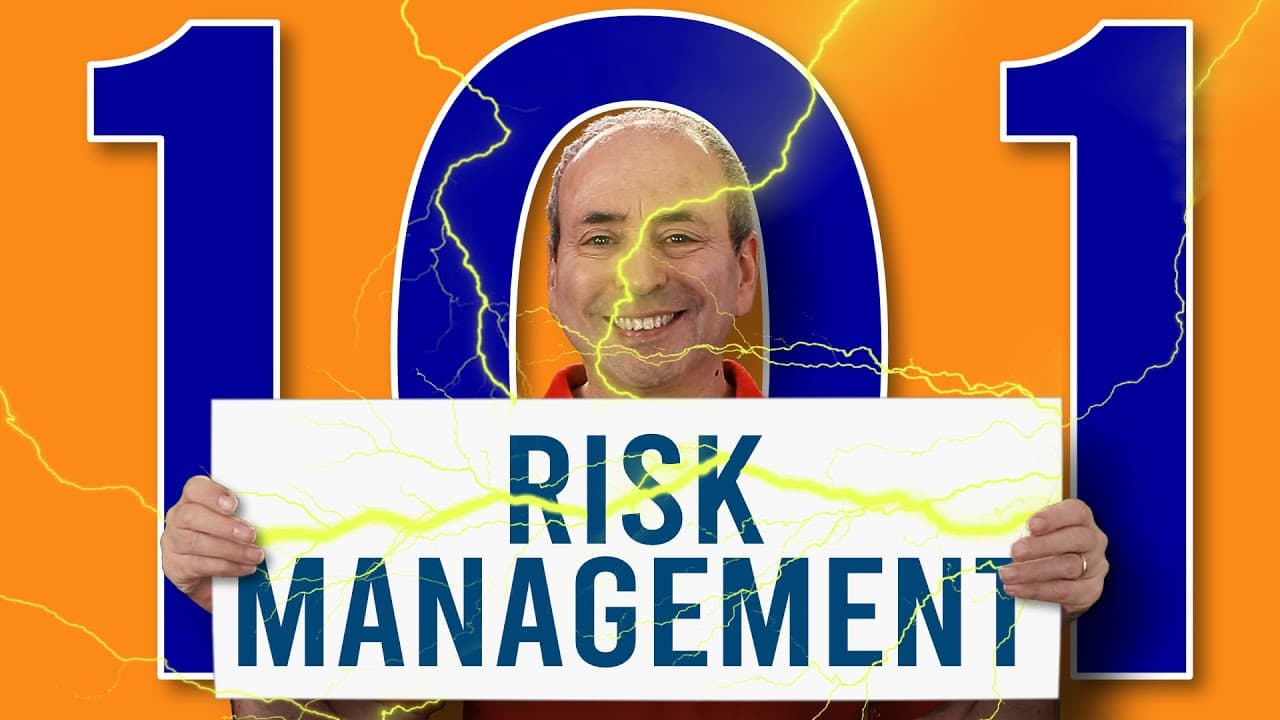
Effective risk management involves identifying uncertainties that could impact project outcomes and applying strategies to address them. The process consists of four key steps: identifying risks, analysing their likelihood and impact, planning actions, and implementing those actions while reviewing their effectiveness. Essential tools include the risk management plan and the risk register.
Transcript
risk management is one of the core skill sets within the wider profession of project management whether your project is purely predictive or absolutely agile you will need to manage risk I've made plenty of specialist videos on this topic but this one is your basic introduction first what are risk and risk management risk is defined simply as uncer... Read More
Key Insights
- ✳️ Risk management involves managing uncertainty and controlling the impact of risks on a project.
- ❎ Risks can be either opportunities or threats, with potential positive or negative consequences.
- 🪪 The risk management process consists of four steps: identification, analysis, planning, and action.
- ✳️ Various strategies can be used to manage risks, such as elimination, reduction, transfer, contingency planning, or acceptance.
- *️⃣ Key tools in risk management include the risk management plan and the risk register.
- 📽️ Risk management is a fundamental skill for project managers and is an important aspect of project governance.
- ✳️ There are specific training and certification options available for those who want to dive deeper into risk management.
Install to Summarize YouTube Videos and Get Transcripts
Explore YouTube Video Summarizer or Get YouTube Transcript Extractor
Questions & Answers
Q: What is risk management in project management?
Risk management is the process of identifying, analyzing, and controlling uncertainty that could affect the outcomes of a project. It involves using tools, processes, and attitudes to manage risks and minimize their impact.
Q: What are the steps involved in the risk management process?
The risk management process consists of four steps. First, risks are identified by identifying all the potential threats and opportunities that could impact the project. Second, risks are analyzed based on their likelihood and impact. Third, a plan is created to manage the identified risks. Finally, actions are taken to implement the plan and control risks, with continuous analysis and adjustment as necessary.
Q: How can risks be managed in a project?
Risks can be managed using various strategies. Firstly, risks can be eliminated entirely by finding ways to remove them from the project. Alternatively, the likelihood of risks can be reduced through preventive measures. Another strategy is to focus on reducing the impact of risks if they do occur. Risks can also be transferred to third parties, such as through insurance or contractual agreements. Contingency planning can help manage risks by having a plan in place to respond if they happen. Lastly, some smaller risks may be accepted if the cost of managing them outweighs their potential impact.
Q: What are the key tools used in risk management?
Two important tools in risk management are the risk management plan and the risk register. The risk management plan outlines how risks will be identified, assessed, and managed on a project. The risk register, on the other hand, is a document that contains all identified risks, their assessment, and the actions being taken to manage them. It serves as both a management tool and a record of due diligence.
Summary & Key Takeaways
-
Risk is defined as uncertainty that can affect project outcomes, with consequences that can be either positive (opportunities) or negative (threats).
-
Risk management involves using tools, processes, and attitudes to manage uncertainty and control the impact of risks on a project.
-
The basic risk management process includes identifying risks, analyzing them for likelihood and impact, creating a plan, taking action, and analyzing the effectiveness of the actions taken.
Read in Other Languages (beta)
Share This Summary 📚
Summarize YouTube Videos and Get Video Transcripts with 1-Click
Try YouTube Summary with ChatGPT & Claude or YouTube Transcript Generator
Explore More Summaries from Online PM Courses - Mike Clayton 📚
Summarize YouTube Videos and Get Video Transcripts with 1-Click
Try YouTube Summary with ChatGPT & Claude or YouTube Transcript Generator