Why it’s so hard to make CGI skin look real
TL;DR
Creating realistic CGI skin involves mastering complex visual effects techniques.
Transcript
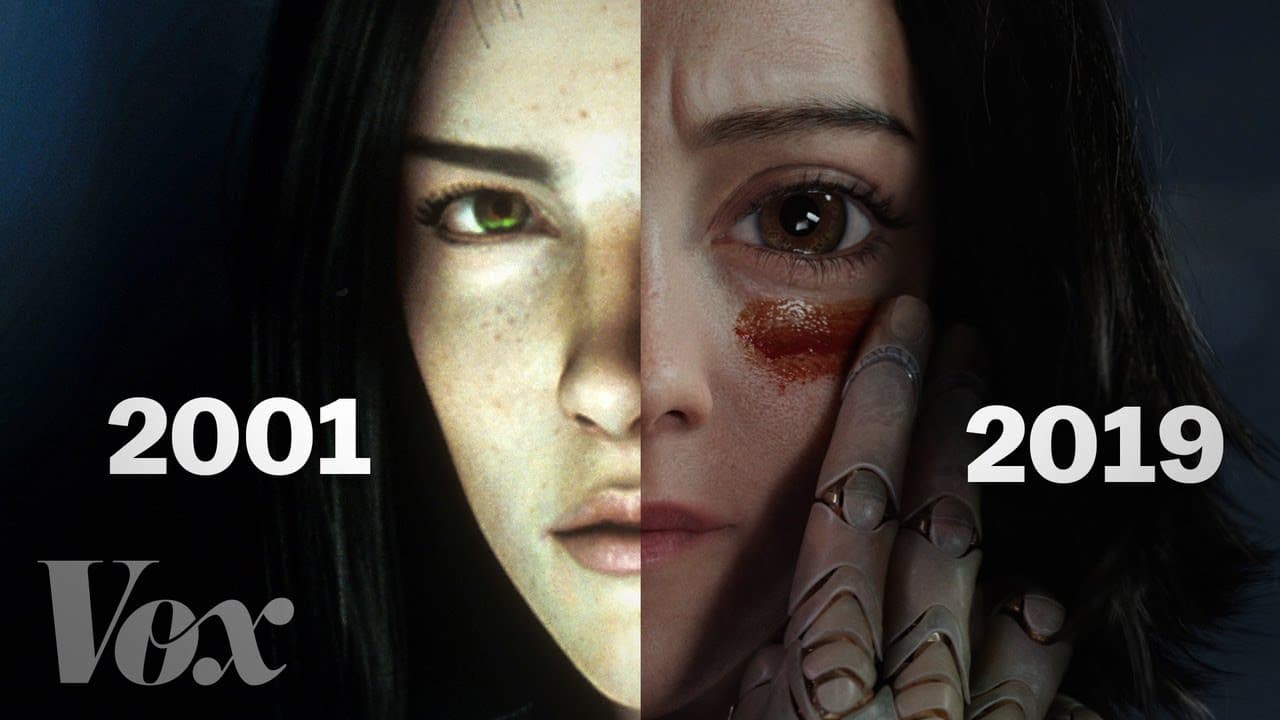
These two scenes almost 20 years apart, both showed their digitally created main character waking up. They also served as the big reveal of a technical breakthrough. Final Fantasy: The Spirits Within was one of the first movies with a realistic human CGI character — at least in theory. To our eyes today, the movement and textures make it look at be... Read More
Key Insights
- The evolution of CGI skin from 2001's Final Fantasy to 2019's Alita: Battle Angel demonstrates significant technological advancements in visual effects.
- Realistic CGI skin involves several factors: albedo, displacement maps, subsurface scattering, and dynamic changes to simulate real human skin.
- Albedo maps are crucial for realism, adjusting the base color of skin based on mood, health, and other factors to enhance visual authenticity.
- Displacement maps add depth by simulating micro geometry, like pores and wrinkles, which contribute to the realistic appearance of skin.
- Subsurface scattering simulates how light penetrates and bounces beneath the skin surface, crucial for lifelike depictions in CGI characters.
- Henrik Wann Jensen's research on subsurface scattering revolutionized CGI by enabling more efficient simulations of how light interacts with skin.
- Dynamic scans of actors performing various expressions help CGI artists accurately capture and replicate facial movements in digital characters.
- Visual effects in movies like Shrek and Harry Potter have significantly benefited from advancements in subsurface scattering technology.
Install to Summarize YouTube Videos and Get Transcripts
Explore YouTube Video Summarizer or Get YouTube Transcript Extractor
Questions & Answers
Q: What is the significance of albedo in CGI skin?
Albedo is the base color map for a CGI character's skin, representing the color of the skin without any lighting or features. It is crucial for realism as it dynamically adjusts based on factors like mood and health, enhancing the authenticity of the character's appearance.
Q: How do displacement maps contribute to realistic CGI skin?
Displacement maps add depth to CGI skin by simulating micro geometry, such as pores and wrinkles, which are crucial for a realistic appearance. By altering the height of the skin surface, these maps provide the detailed texture needed to make CGI skin look lifelike.
Q: What is subsurface scattering and why is it important?
Subsurface scattering is the simulation of how light penetrates and bounces within the layers of skin before exiting. This process is vital for rendering realistic skin, as it mimics the natural way light interacts with human skin, providing depth and a lifelike appearance.
Q: How did Henrik Wann Jensen's research impact CGI technology?
Henrik Wann Jensen's research on subsurface scattering revolutionized CGI by enabling more efficient simulations of light interaction with skin. His work allowed for realistic rendering of skin and other materials, significantly improving the visual quality of CGI in films and animation.
Q: What role do dynamic scans play in creating CGI characters?
Dynamic scans capture an actor's facial movements and expressions, providing detailed data for CGI artists. This information is used to accurately replicate the actor's expressions in digital characters, ensuring that the CGI characters exhibit realistic and believable facial animations.
Q: How has CGI skin evolved from Final Fantasy to Alita: Battle Angel?
CGI skin has evolved significantly, with advancements in techniques like albedo mapping, displacement maps, and subsurface scattering. These developments have transitioned CGI from the waxy, unrealistic look in Final Fantasy to the lifelike and detailed skin seen in Alita: Battle Angel.
Q: What technological advancements have benefited films like Shrek and Harry Potter?
Advancements in subsurface scattering technology have greatly benefited films like Shrek and Harry Potter. By accurately simulating how light interacts with skin and other materials, these films achieved more realistic and visually appealing CGI characters, enhancing the overall cinematic experience.
Q: Why is subsurface scattering crucial for realistic CGI milk?
Subsurface scattering is crucial for realistic CGI milk as it simulates how light passes through and interacts with the liquid. By accurately rendering these interactions, CGI milk appears more lifelike, avoiding the flat, unrealistic appearance that plagued earlier animations.
Summary & Key Takeaways
-
Creating realistic CGI skin involves complex techniques like albedo mapping, displacement maps, and subsurface scattering to simulate real human skin. The evolution from early CGI in Final Fantasy to Alita: Battle Angel showcases significant advancements in visual effects technology.
-
Albedo maps are essential for realism, adjusting the base color of skin dynamically based on mood and health. Displacement maps add depth by simulating micro geometry, like pores, contributing to the realistic appearance of CGI skin.
-
Subsurface scattering, a breakthrough by Henrik Wann Jensen, simulates how light penetrates and bounces beneath the skin surface. Dynamic scans of actors performing various expressions help artists capture and replicate realistic facial movements in CGI.
Read in Other Languages (beta)
Share This Summary 📚
Summarize YouTube Videos and Get Video Transcripts with 1-Click
Try YouTube Summary with ChatGPT & Claude or YouTube Transcript Generator
Explore More Summaries from Vox 📚



Summarize YouTube Videos and Get Video Transcripts with 1-Click
Try YouTube Summary with ChatGPT & Claude or YouTube Transcript Generator