Why Is Land Restoration Challenging for Non-Recognized Tribes?
TL;DR
Non-federally recognized tribes face significant challenges in land restoration due to limited financial and human resources, making it hard to manage returned lands. Government resistance and the need for scientific expertise further complicate the process, as these tribes navigate the conflict between traditional worldviews and the capitalist system. Effective land restoration requires partnerships, funding, and a commitment to overcoming these barriers.
Transcript
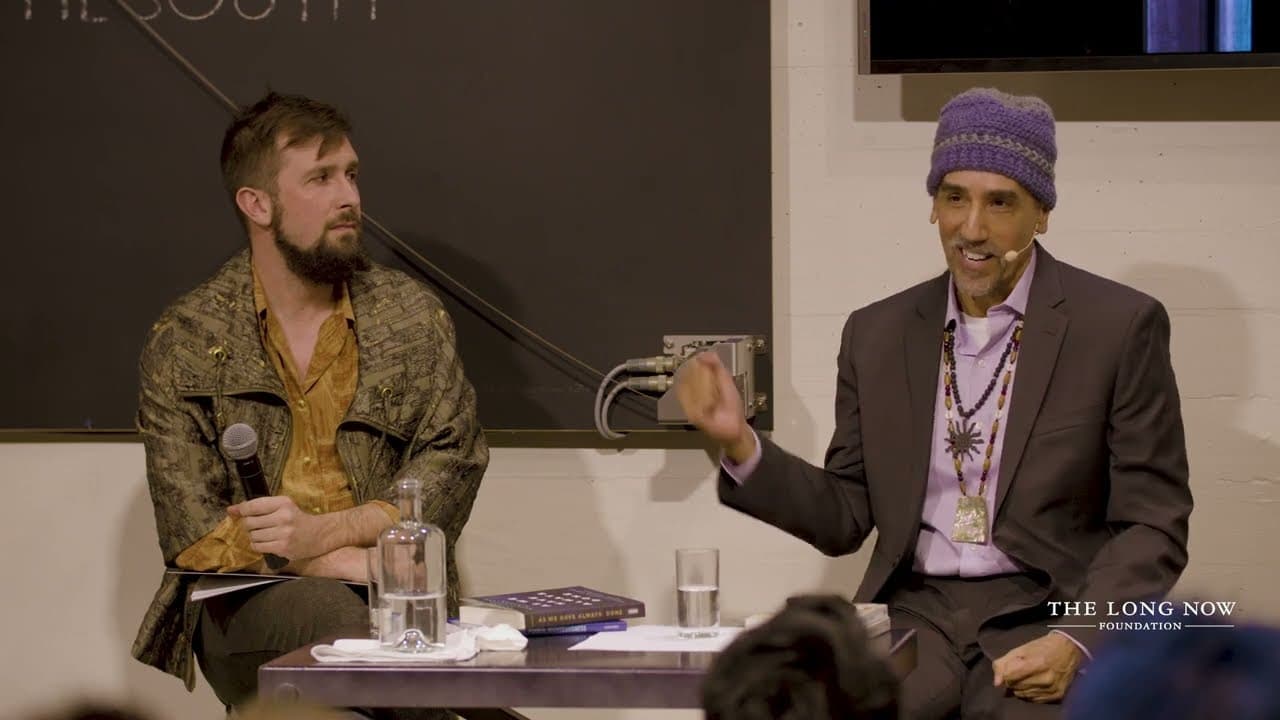
- [audience] I'm curious about your perspective on non-federally-recognized tribes who very clearly don't want to participate in these systems, yet when we are doing land returns, sometimes we have to create an entity, a non-profit or something like that. And we're in this moment of transition, and I'd love to hear more thoughts around where these ... Read More
Key Insights
- 😀 Grantors recognizing the capacity issue and offering general support grants is a positive step towards addressing the challenges faced by non-federally-recognized tribes in land restoration.
- 🖤 The lack of capacity poses a significant barrier for tribes in effectively managing returned lands and participating in the capitalist colonial system.
- 💁 Scientific expertise is often required in land restoration, highlighting the need for partnerships and funding to bridge the gap between traditional ecological knowledge and scientific information.
- 😀 Government entities can be resistant to returning land, and tribes may face the burden of legal processes and changing existing laws.
- 🏝️ The complexities of aligning ancient worldviews with the idea of owning land present challenges for tribes considering land restoration.
Install to Summarize YouTube Videos and Get Transcripts
Explore YouTube Video Summarizer or Get YouTube Transcript Extractor
Questions & Answers
Q: How does the capacity issue impact non-federally-recognized tribes' ability to manage returned lands?
Non-federally-recognized tribes often struggle to manage returned lands due to insufficient financial and human resources. Without capacity, these tribes cannot effectively steward the land or participate in the capitalist colonial system.
Q: How are grantors addressing the capacity issue faced by non-federally-recognized tribes?
Grantors are starting to provide general support grants instead of implementation-only grants. This recognizes the lack of capacity and offers funding that can be used for various needs, including building the necessary resources for land management.
Q: What challenges arise when aligning ancient worldviews with the capitalist colonial system in land restoration?
Land restoration often requires scientific expertise. Traditional ecological knowledge may not have the necessary information, such as dealing with sea level rise. To bridge this gap, tribes need funding to hire scientists who can provide guidance on the best course of action.
Q: What obstacles do non-federally-recognized tribes face when attempting to reclaim their land?
Government entities can create obstacles and come up with excuses to delay or avoid returning land. Tribes may need to rely on their own legal representation to advocate for their rights and ensure necessary changes in laws and regulations are made.
Summary & Key Takeaways
-
Non-federally-recognized tribes often lack the financial, human, and economic resources to manage returned lands, creating a capacity issue.
-
Grantors are recognizing this issue and offering general support grants instead of implementation-only grants to address the capacity problem.
-
Land restoration efforts require scientific expertise that traditional ecological knowledge may not provide, necessitating partnerships and funding to hire scientists for guidance.
Read in Other Languages (beta)
Share This Summary 📚
Summarize YouTube Videos and Get Video Transcripts with 1-Click
Try YouTube Summary with ChatGPT & Claude or YouTube Transcript Generator
Explore More Summaries from Long Now Foundation 📚
Summarize YouTube Videos and Get Video Transcripts with 1-Click
Try YouTube Summary with ChatGPT & Claude or YouTube Transcript Generator