Waiting for Godot by Samuel Beckett | Characters
TL;DR
In Samuel Beckett's play, the characters reflect different aspects of humanity in a cycle of waiting and suffering.
Transcript
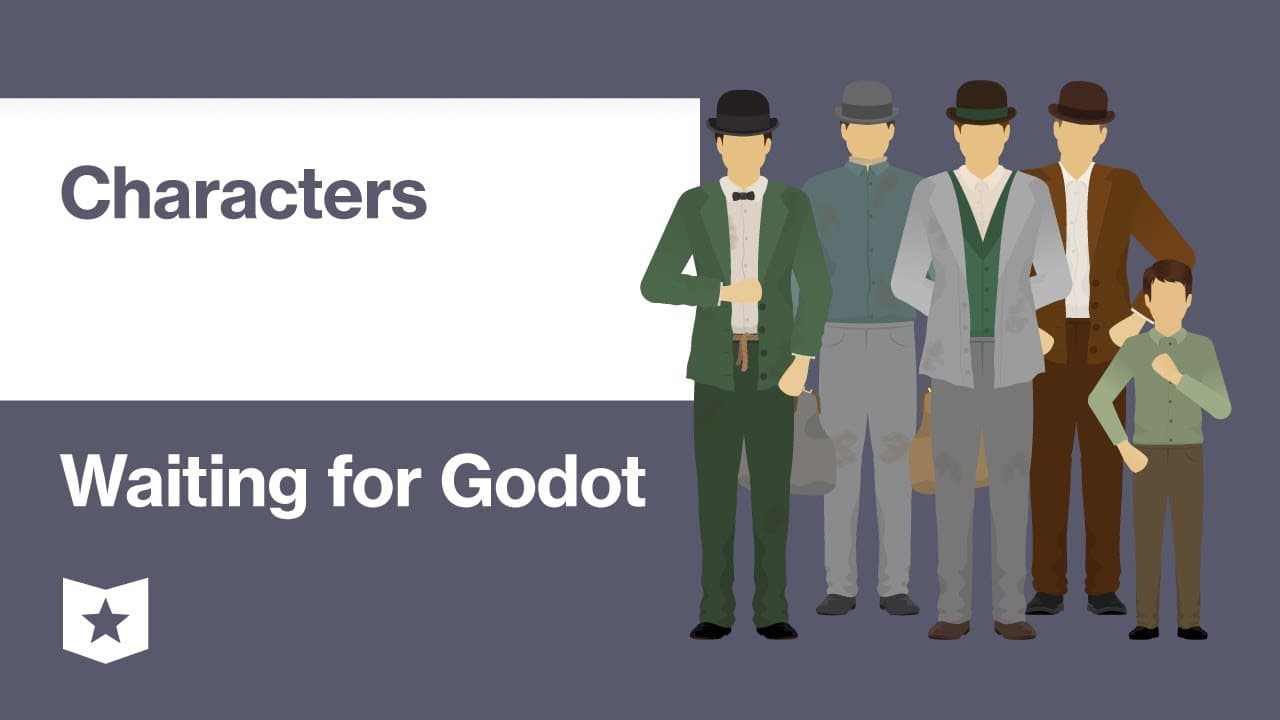
there are four characters in the theatrical absurdist triumph that is Samuel Beckett's Waiting for Godot Estragon along with his close companion and frequent partner in bickering Vladimir are essentially every men representing all of humanity but the two men also contrast in some ways sometimes Vladimir calls Estragon gogo Estragon is primarily con... Read More
Key Insights
- ❓ Estragon and Vladimir represent contrasting aspects of human nature, focusing on feelings versus logic.
- ✊ Pozzo's power and resources highlight the theme of futility in seeking meaning and protection.
- ❓ The relationship between Lucky and Pozzo reflects dependency, servitude, and inequality.
- 🇰🇼 The characters in "Waiting for Godot" symbolize existential themes like waiting, suffering, and the search for meaning.
Install to Summarize YouTube Videos and Get Transcripts
Explore YouTube Video Summarizer or Get YouTube Transcript Extractor
Questions & Answers
Q: How do Estragon and Vladimir differ in their personalities and concerns?
Estragon focuses on feelings and suffering, while Vladimir is more logical and intellectual but misses deeper truths. They represent different aspects of human nature in the play.
Q: What does Pozzo symbolize in "Waiting for Godot"?
Pozzo symbolizes power and resources that ultimately prove useless in protecting him from misfortune. His treatment of Lucky highlights the theme of futility and the emptiness of social conventions.
Q: What is the significance of Lucky's relationship with Pozzo?
The dependency between them reflects themes of inequality and servitude. Despite being abused, Lucky demonstrates willpower, suggesting a complex dynamic beyond mere subservience.
Q: How do the characters in "Waiting for Godot" reflect existential themes?
The characters embody different aspects of the human condition, such as waiting, suffering, power dynamics, and the search for meaning, reflecting existential themes in the play.
Summary & Key Takeaways
-
Estragon and Vladimir, representing humanity, contrast in feelings versus logic.
-
Pozzo symbolizes power and futility, while Lucky represents servitude and dependency.
-
The characters showcase different aspects of human nature and existential themes.
Read in Other Languages (beta)
Share This Summary 📚
Summarize YouTube Videos and Get Video Transcripts with 1-Click
Try YouTube Summary with ChatGPT & Claude or YouTube Transcript Generator
Explore More Summaries from Course Hero 📚

Summarize YouTube Videos and Get Video Transcripts with 1-Click
Try YouTube Summary with ChatGPT & Claude or YouTube Transcript Generator