How to Use Constraints-Led Coaching in VR
TL;DR
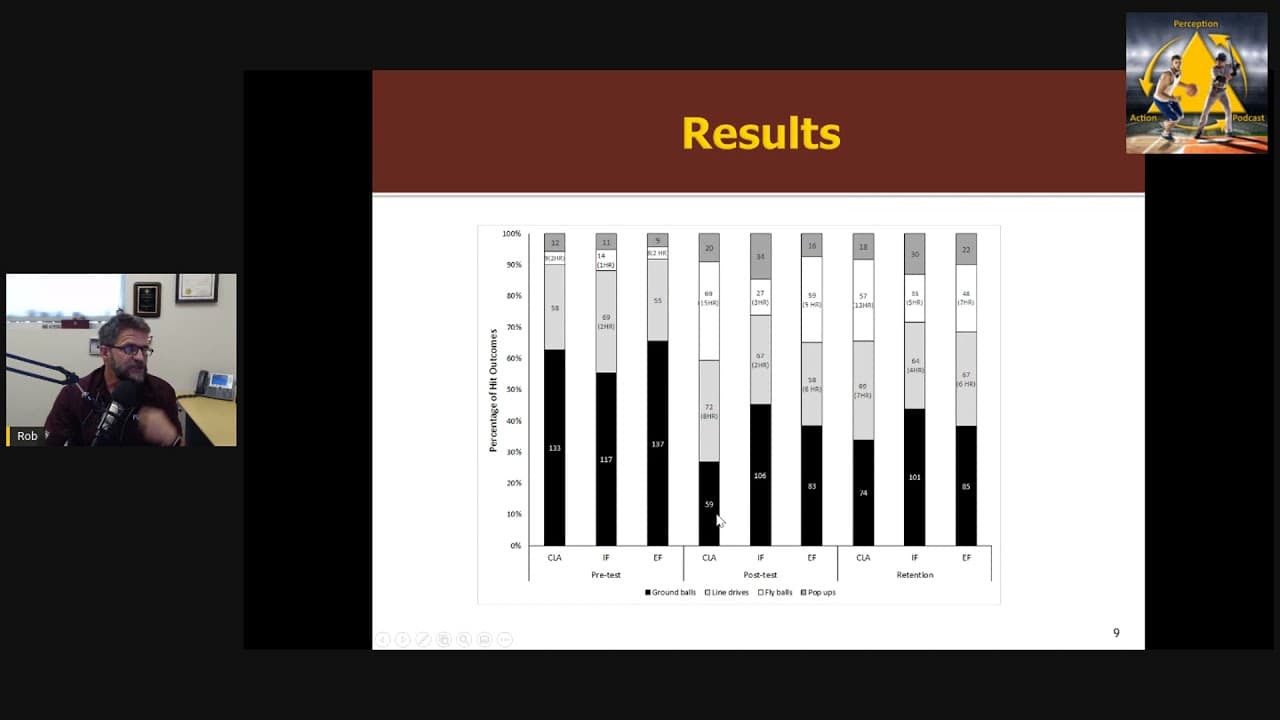
Virtual reality enhances sports training by allowing the implementation of a constraints-led approach (CLA), which is often impractical in real-world settings. VR enables customization of task constraints, encouraging athletes to explore and self-organize, leading to improved performance. This method, combined with traditional techniques, offers a comprehensive coaching strategy.
Transcript
hi everyone this is rob gray from asu in the perception action podcast again in this presentation i want to look at how we can take advantage of some of the aspects of virtual reality vr virtual environments to implement a constraints-led approach to coaching and this is a presentation i'll be giving at isan uh in in the next week so for me and i'v... Read More
Key Insights
- VR allows for the implementation of constraints-led approaches that are impractical in real-world settings.
- The constraints-led approach involves adding task constraints to encourage athletes to explore new movement solutions.
- VR can adjust task constraints dynamically based on an athlete's performance, offering personalized challenges.
- In baseball, VR can simulate barriers to improve batting techniques, such as launch angle and opposite-field hitting.
- VR enhances feedback and information, aiding athletes in exploring and finding effective movement solutions.
- Combining VR with real-world practice offers a comprehensive approach to coaching, enhancing skill retention.
- The constraints-led approach in VR encourages exploration and self-organization, leading to improved performance.
- VR can simulate various task constraints, such as swing paths and connection balls, to improve training outcomes.
Install to Summarize YouTube Videos and Get Transcripts
Explore YouTube Video Summarizer or Get YouTube Transcript Extractor
Questions & Answers
Q: How does VR enhance constraints-led coaching?
VR enhances constraints-led coaching by allowing dynamic and personalized task constraints that are often impractical in real-world settings. It enables athletes to explore new movement solutions through self-organization, offering opportunities for skill improvement. VR also provides effective feedback and information, aiding athletes in finding optimal movement strategies.
Q: What is a constraints-led approach in sports coaching?
A constraints-led approach in sports coaching involves adding task constraints to destabilize existing movement solutions, encouraging athletes to explore and self-organize to find new solutions. This method focuses on manipulating task, environmental, and individual constraints to enhance learning and performance through exploration and adaptation.
Q: Why is VR beneficial for baseball training?
VR is beneficial for baseball training as it allows for the simulation of task constraints, such as barriers for improving launch angles and opposite-field hitting. It provides dynamic adjustments based on performance, offering personalized challenges. VR also enhances feedback, helping athletes explore and develop effective batting techniques.
Q: How can VR personalize sports training?
VR personalizes sports training by dynamically adjusting task constraints based on an athlete's performance. It creates customized challenges that match the individual's skill level, encouraging exploration and self-organization. This personalization helps athletes develop optimal movement solutions and enhances overall training effectiveness.
Q: What are the challenges of implementing CLA in real-world settings?
Implementing CLA in real-world settings faces challenges such as practical issues with manipulating task constraints, like field size or environmental factors. It also requires individualizing training to match athletes' constraints, which can be difficult when coaching multiple individuals. Additionally, ensuring skill retention after removing constraints poses another challenge.
Q: How does VR provide effective feedback in sports training?
VR provides effective feedback in sports training by simulating task constraints and allowing athletes to see the impact of their actions in real-time. It offers information that aids in exploring and finding effective movement solutions. This feedback helps athletes understand their performance and make adjustments to improve their skills.
Q: What role does exploration play in a constraints-led approach?
Exploration plays a crucial role in a constraints-led approach by encouraging athletes to self-organize and find new movement solutions. By destabilizing existing solutions through task constraints, athletes are pushed to explore different strategies, leading to improved learning and performance. Exploration fosters adaptability and creativity in skill development.
Q: Can VR replace real-world sports training?
VR is not intended to replace real-world sports training but to complement it by adding value through constraints-led approaches. It offers opportunities for implementing task constraints that are impractical in real-world settings. By combining VR with traditional training methods, coaches can create a comprehensive approach that enhances skill development and performance.
Summary & Key Takeaways
-
Virtual reality (VR) enhances sports training by implementing a constraints-led approach (CLA), which is often impractical in real-world settings. By adding and adjusting task constraints, VR encourages athletes to explore and self-organize, leading to improved performance. This method, when combined with traditional techniques, offers a comprehensive coaching strategy.
-
In baseball training, VR can simulate barriers to improve batting techniques, such as launch angle and opposite-field hitting. VR allows for dynamic adjustment of task constraints based on an athlete's performance, providing personalized challenges and enhancing feedback, which aids in exploring and finding effective movement solutions.
-
The constraints-led approach in VR fosters exploration and self-organization, resulting in enhanced skill retention and improved performance. By integrating VR with real-world practice, coaches can utilize a comprehensive approach that leverages the strengths of both environments, ultimately benefiting athletes' training and development.
Read in Other Languages (beta)
Share This Summary 📚
Summarize YouTube Videos and Get Video Transcripts with 1-Click
Try YouTube Summary with ChatGPT & Claude or YouTube Transcript Generator
Explore More Summaries from Rob Gray 📚
Summarize YouTube Videos and Get Video Transcripts with 1-Click
Try YouTube Summary with ChatGPT & Claude or YouTube Transcript Generator