FUJIFILM 101: Exposure Triangle for Beginners (Aperture, shutter speed, & ISO explained)
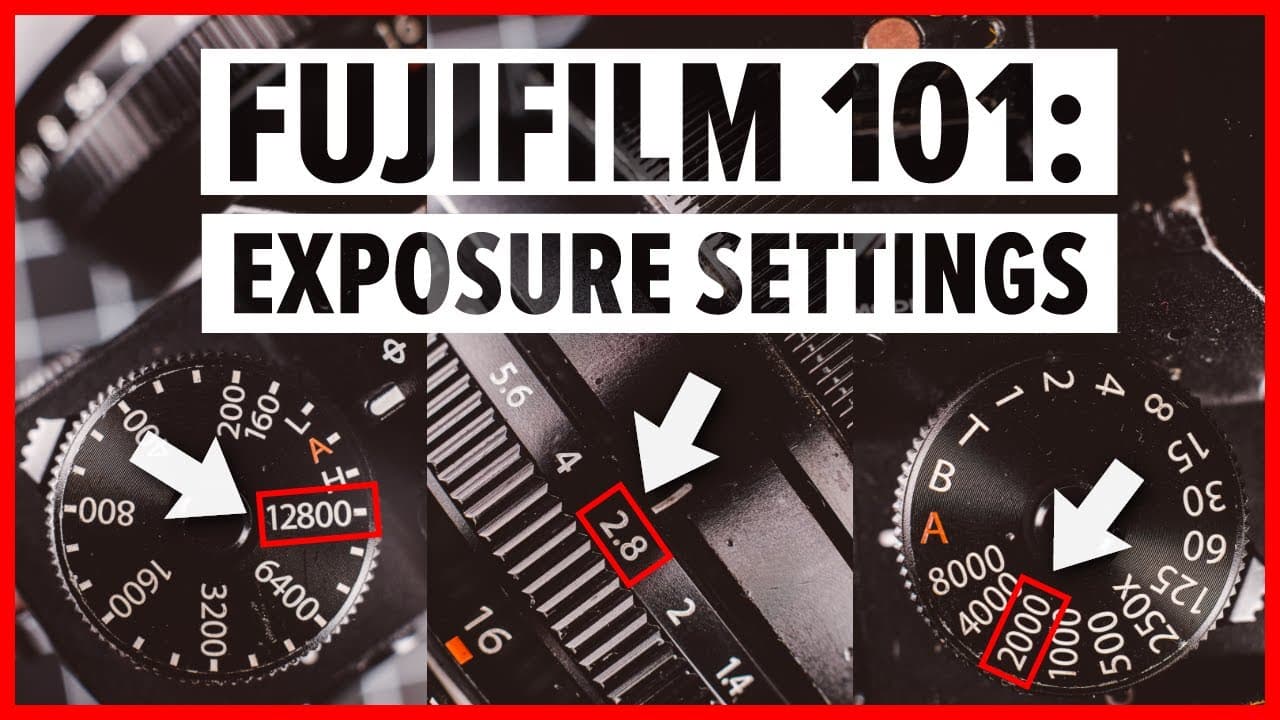
TL;DR
Master three key exposure settings for intentional photography.
Transcript
so there are three concepts i believe every photographer should understand in order to intentionally create good photographs understanding exposure how to see light and how to create effective or interesting compositions in this lesson we're going to take a deep dive into truly understanding exposure what it is what are the elements that make up an... Read More
Key Insights
- 🙂 Exposure is a fundamental aspect of photography, defined as the light that reaches the camera's sensor.
- 💦 The three components of the exposure triangle—shutter speed, aperture, and ISO—work together to create quality images.
- 🐎 Shutter speed affects motion capture; slow speeds introduce motion blur, while fast speeds freeze action.
- ✋ Aperture controls depth of field, influencing background blur and focus quality based on f-stop settings.
- 🙂 ISO determines the camera sensor's sensitivity to light, impacting overall image noise and quality in various lighting conditions.
- 🙂 Understanding the inverse square law assists photographers in managing light intensity based on distance from the light source.
- 🙂 Stops of light provide a framework for adjusting exposure settings to achieve desired brightness levels in photographs.
Install to Summarize YouTube Videos and Get Transcripts
Explore YouTube Video Summarizer or Get YouTube Transcript Extractor
Questions & Answers
Q: What are the three main elements of exposure in photography?
The three main elements of exposure are shutter speed, aperture, and ISO. Shutter speed refers to the duration the camera sensor is exposed to light, aperture controls the size of the lens opening allowing light into the camera, and ISO measures the sensitivity of the camera's sensor to light, affecting image brightness and noise levels.
Q: How does shutter speed impact motion in photographs?
Shutter speed significantly affects motion portrayal. A slow shutter speed captures motion blur, ideal for dramatic effects like light trails or panning shots. Conversely, a fast shutter speed freezes motion, making it perfect for high-speed action like sports or quick movements, ensuring clarity of dynamic subjects.
Q: What is the significance of aperture in controlling depth of field?
Aperture controls the depth of field, which determines how much of the scene is in focus. A low f-stop number corresponds to a large aperture, creating a shallow depth of field with a blurred background, ideal for portraits. A high f-stop number means a smaller aperture, achieving a deep depth of field, keeping more of the scene in focus.
Q: How does ISO affect image quality in low-light settings?
ISO adjusts the camera sensor's sensitivity to light, with higher ISO settings improving low-light performance. However, increasing ISO can introduce noise or grain into images, reducing overall quality. Lower ISO settings yield cleaner, more dynamic range-rich images, but require more light, making it essential to find balance based on conditions.
Q: Can you explain the exposure triangle analogy of filling a glass of water?
The exposure triangle can be visualized by filling a glass of water where shutter speed represents the faucet's duration, aperture symbolizes the spout size, and ISO correlates with the glass size. Proper exposure is achieved when the glass is full, demonstrating how these settings work together to control the amount of light hitting the camera sensor.
Q: What happens if you change one element of the exposure triangle?
Altering one element of the exposure triangle necessitates compensating adjustments to maintain the same exposure level. For example, if the shutter speed is increased for faster action, you might need to raise the ISO or open the aperture to let in more light, ensuring the final image retains proper exposure.
Q: How do flash and strobe lights contribute to exposure adjustments?
Flashes and strobes provide additional light bursts, which are particularly useful in challenging lighting environments. They can instantly enhance exposure, allowing for faster shutter speeds or smaller apertures without underexposing the image, similar to instantaneously filling the glass with water when needed.
Q: Why is it important to understand stops of light in photography?
Understanding stops of light is crucial for adjusting exposure levels precisely. One stop doubles or halves the light, allowing for specific compensatory adjustments in shutter speed, aperture, or ISO when conditions change. This knowledge enables photographers to maintain consistent exposure while exploring creative options effectively.
Summary & Key Takeaways
-
Exposure is the amount of light reaching a camera's sensor, affecting photo brightness, and can be manipulated through shutter speed, aperture, and ISO.
-
The exposure triangle consists of shutter speed, aperture, and ISO, each influencing the final image's look, such as motion blur, depth of field, and image noise.
-
Adequate exposure is essential for quality photographs, and understanding stops of light and the inverse square law helps photographers balance exposure settings effectively.
Read in Other Languages (beta)
Share This Summary 📚
Summarize YouTube Videos and Get Video Transcripts with 1-Click
Try YouTube Summary with ChatGPT & Claude or YouTube Transcript Generator
Explore More Summaries from Reggie Ballesteros 📚




Summarize YouTube Videos and Get Video Transcripts with 1-Click
Try YouTube Summary with ChatGPT & Claude or YouTube Transcript Generator