Ziyah Gafić: Everyday objects, tragic histories
TL;DR
These everyday items recovered from mass graves in Bosnia serve as a visual archive and reminder of the genocide.
Transcript
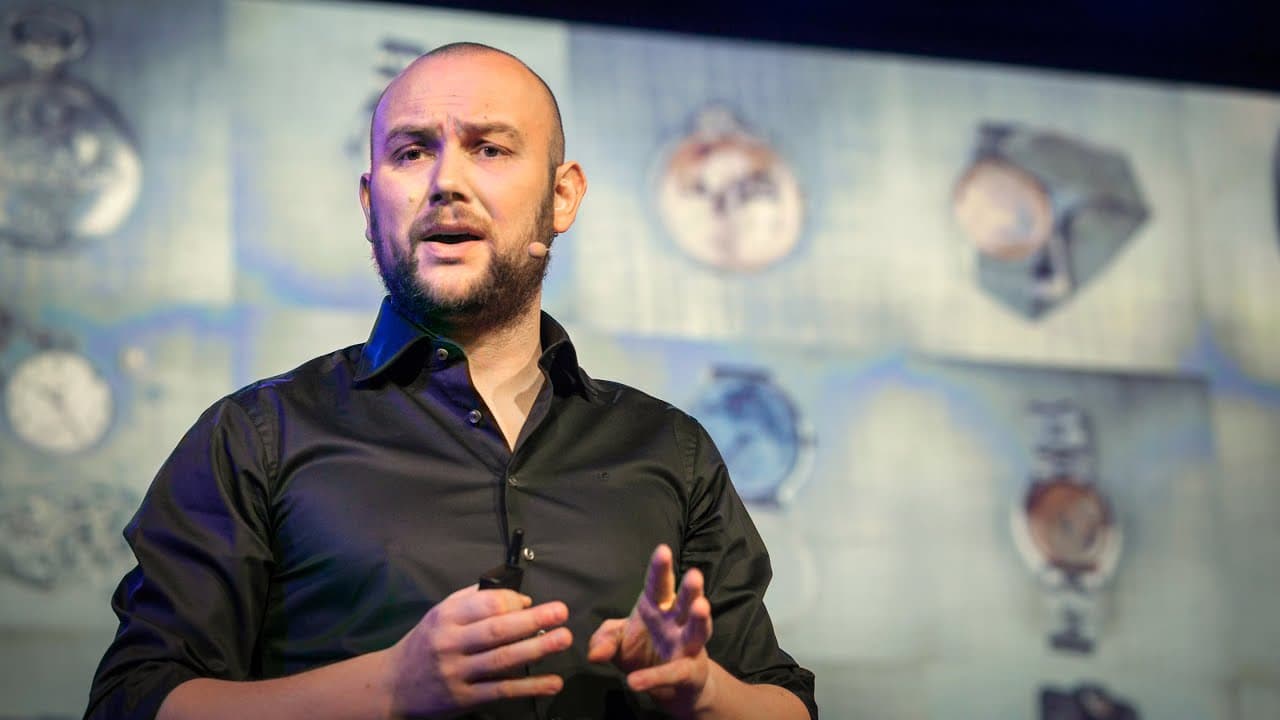
These are simple objects: clocks, keys, combs, glasses. They are the things the victims of genocide in Bosnia carried with them on their final journey. We are all familiar with these mundane, everyday objects. The fact that some of the victims carried personal items such as toothpaste and a toothbrush is a clear sign they had no idea what was about... Read More
Key Insights
- 💔 The personal items carried by victims of genocide in Bosnia, such as toothpaste and combs, serve as a grim reminder of their unawareness of impending tragedy.
- 🔍 The ongoing exhumation of mass graves, years after the war, reveals the scale of the atrocities committed during the conflict, with approximately 30,000 missing and presumed killed.
- ⚖️ The International Criminal Tribunal has delivered sentences for crimes against humanity and genocide, highlighting the systematic and deliberate destruction of targeted groups.
- 🔍 Genocide extends beyond killing, encompassing the destruction of property and cultural heritage, aimed at erasing the very existence of the victims.
- 💔 Fragments of the perished ones serve as enduring reminders, with recovered items used for both forensic identification and as valuable evidence in war crimes trials.
- 📸 The visual archive created through photography of every exhumed item serves as an empathetic and unbiased record of what occurred, aiding recognition and remembrance.
- 🔍 Physical browsing of the items by survivors is difficult and painful, emphasizing the need for an accessible and comprehensive visual documentation.
- 🛏️ Once all missing persons are identified, these everyday objects and decaying bodies will be the sole remnants of the victims, testaments to their existence.
Install to Summarize YouTube Videos and Get Transcripts
Explore YouTube Video Summarizer or Get YouTube Transcript Extractor
Questions & Answers
Q: What items did the victims of genocide in Bosnia carry with them on their final journey?
The victims of genocide in Bosnia carried simple objects such as clocks, keys, combs, and glasses on their final journey. They also carried personal items like toothpaste and a toothbrush, which indicated their lack of knowledge about what was about to happen to them.
Q: How many citizens went missing and were presumed killed during the four years of conflict in Bosnia?
Approximately 30,000 citizens, mainly civilians, went missing and were presumed killed during the four years of conflict in Bosnia in the early '90s. Another 100,000 people were killed during combat operations.
Q: When were most of the victims killed during the war in Bosnia?
Most of the victims were killed either in the early days of the war or towards the end of the hostilities when U.N. safe zones like Srebrenica fell into the hands of the Serb army.
Q: What is the main goal of collecting these recovered items from mass graves?
The main goal of collecting these items is to identify those who disappeared in the killings, which were the first act of genocide on European soil since the Holocaust. It is to ensure that not a single body remains undiscovered or unidentified.
Q: How are the recovered items used in forensic investigations?
Once recovered, the items are carefully cleaned, analyzed, catalogued, and stored. They are used both as a forensic tool in the visual identification of the victims and as valuable evidence in ongoing war crimes trials. Survivors may also be called upon to physically identify these items, although the process can be difficult and painful.
Summary & Key Takeaways
-
Victims of genocide in Bosnia carried simple objects with them on their final journey, such as clocks and keys.
-
Over 30,000 citizens went missing and presumed killed during the four-year Bosnian conflict, and their personal items are being recovered from mass graves.
-
These recovered items are used for identification and as evidence in war crimes trials, and are also being photographed to create a visual archive for survivors.
Read in Other Languages (beta)
Share This Summary 📚
Summarize YouTube Videos and Get Video Transcripts with 1-Click
Try YouTube Summary with ChatGPT & Claude or YouTube Transcript Generator
Explore More Summaries from TED 📚



Summarize YouTube Videos and Get Video Transcripts with 1-Click
Try YouTube Summary with ChatGPT & Claude or YouTube Transcript Generator