What Is the Ostrich Effect and How Does It Affect You?
TL;DR
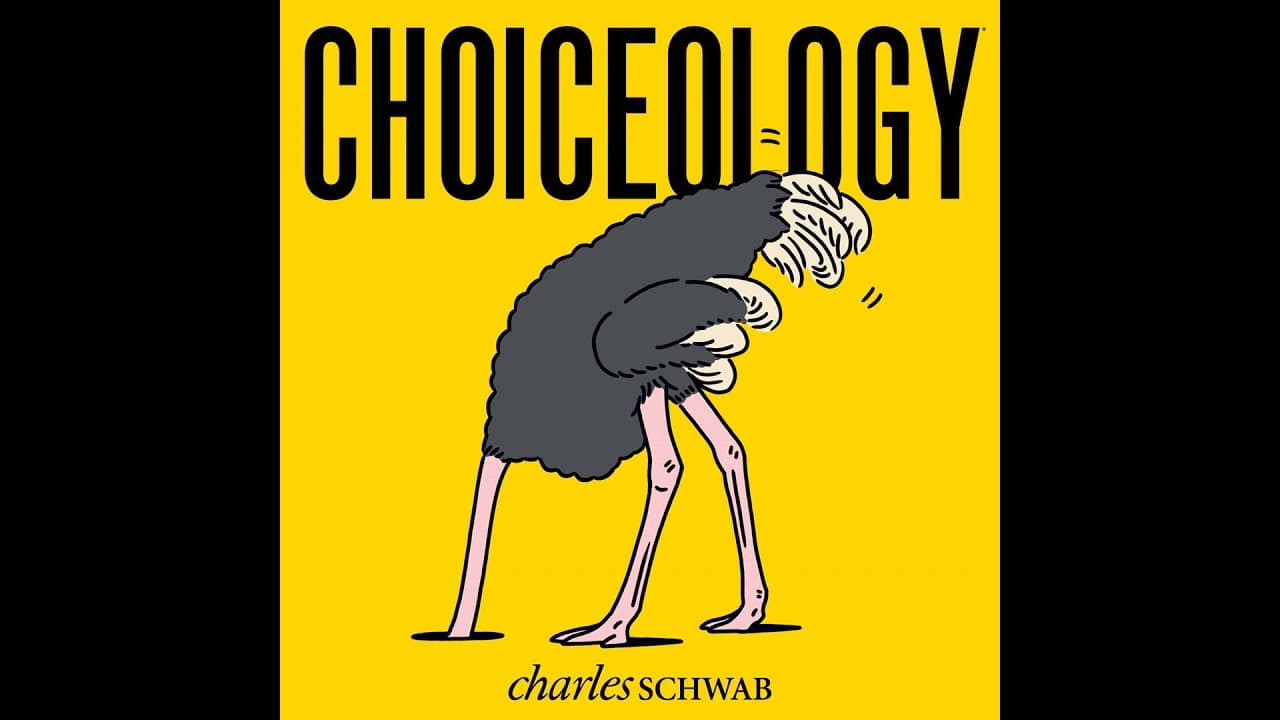
The ostrich effect is the tendency to avoid information when expecting negative outcomes, commonly seen in areas like health and finance. This behavior can lead to serious repercussions, as individuals may delay important decisions that impact their well-being. Understanding the underlying emotions and the potential benefits of addressing uncomfortable truths can help mitigate this avoidance.
Transcript
hey neighbor y hey Sam I I noticed on my ride I was up the hill behind your place that your rain gutters are pretty clogged up you might want to have those looked at uh thanks but you know we've never really had a problem with them and I don't know I'm not really sure I want to get up on the roof but I I appreciate it suit yourself just thought you... Read More
Key Insights
- 🧑⚕️ The ostrich effect is prevalent in various aspects of life, including health and finance.
- 💁 Avoiding information can have serious consequences for individuals' well-being, both physically and financially.
- 😨 The reasons for information avoidance are often rooted in fear of negative emotions and a perceived lack of actionability.
- 💁 Taking a step back and considering the potential benefits of seeking information can help overcome the ostrich effect.
- 💁 Information avoidance is not a fixed personality trait; it varies across contexts and individuals.
- 🤔 Tapping into our rational thinking (system 2) can help us overcome the instinctive, emotional reactions (system 1) that drive information avoidance.
- 💁 Understanding the counterfactual implications of not seeking information can help motivate individuals to confront uncomfortable truths.
Install to Summarize YouTube Videos and Get Transcripts
Explore YouTube Video Summarizer or Get YouTube Transcript Extractor
Questions & Answers
Q: What is the ostrich effect?
The ostrich effect refers to the tendency of individuals to avoid information when they anticipate negative outcomes. They "bury their heads in the sand" rather than facing uncomfortable truths.
Q: Why do people engage in information avoidance?
People avoid information to protect themselves from negative emotions. They might also believe that the information is not actionable or that it won't change their situation.
Q: How does information avoidance affect health decisions?
Research shows that individuals often avoid getting tested for diseases or undergoing medical check-ups because they fear the potential negative results. However, this avoidance can have serious consequences for their health in the long run.
Q: How does information avoidance impact financial decisions?
Individuals tend to avoid checking their financial portfolios during market downturns because they fear the negative emotions associated with potential losses. However, this can lead to poor financial decision-making and missed opportunities.
Summary & Key Takeaways
-
The ostrich effect is the phenomenon of avoiding information when individuals expect the outcomes to be negative. Examples include avoiding health tests and not checking financial portfolios in a declining market.
-
Research shows that people avoid information when it makes them feel bad or when they believe that the information is not actionable.
-
Information avoidance is context-dependent, with individuals avoiding information in certain areas of their lives but seeking it in others.
Read in Other Languages (beta)
Share This Summary 📚
Summarize YouTube Videos and Get Video Transcripts with 1-Click
Try YouTube Summary with ChatGPT & Claude or YouTube Transcript Generator
Explore More Summaries from Charles Schwab 📚





Summarize YouTube Videos and Get Video Transcripts with 1-Click
Try YouTube Summary with ChatGPT & Claude or YouTube Transcript Generator