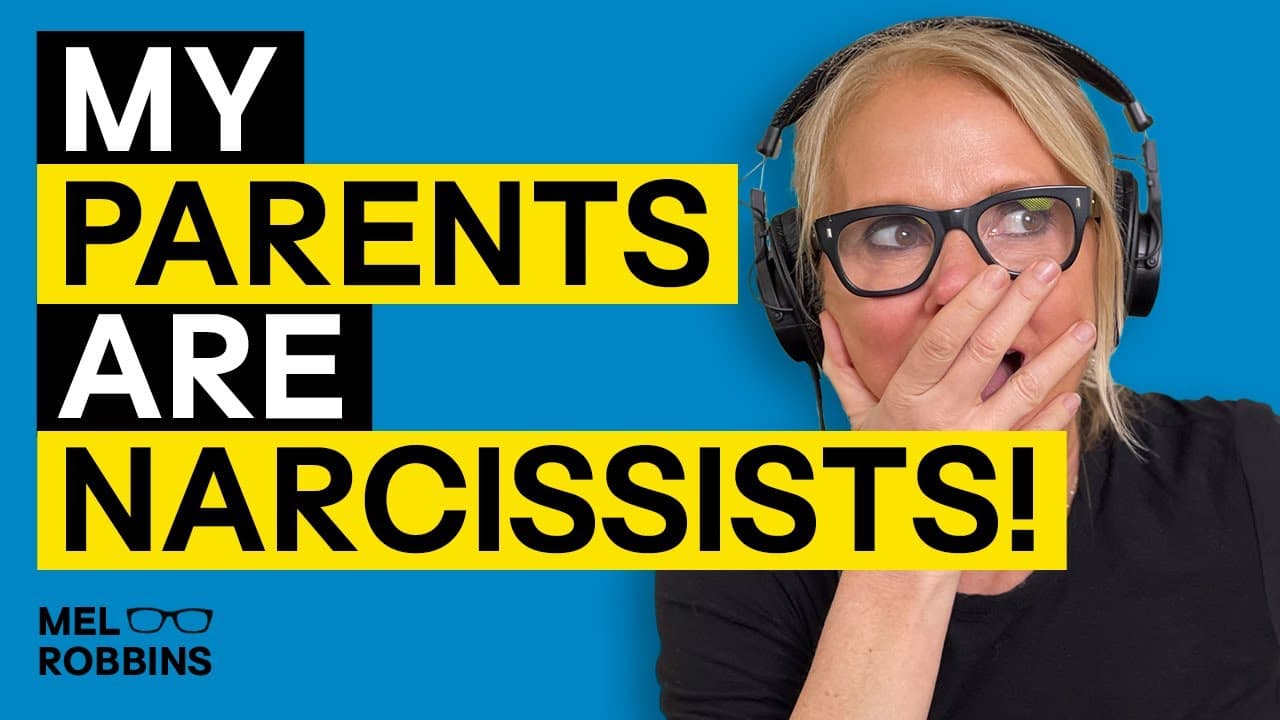
If You’re an Anxious Adult or Don’t Have Self-Worth, THIS Might Be Why! | Mel Robbins
TL;DR
Narcissistic behavior can have a detrimental impact on individuals who have been raised by narcissistic parents or are involved in relationships with narcissistic partners. Recognizing the signs and understanding the impact is crucial for healing and preventing further harm.
Transcript
I have a pit in my stomach because I have at least one person very prominent person that I have in my mind in my life and I'm like check check check check check somebody's talking at the table they're rolling their eyes at other people somebody leaves the room they just immediately trash them as they leave what I want to know is we'll get into what... Read More
Key Insights
- 🥺 Growing up with narcissistic parents can lead to a range of negative impacts, including a loss of autonomy, identity, and self-worth.
- ❓ Narcissistic behavior can extend to romantic relationships and friendships, causing emotional abuse and manipulation.
- 🥶 Recognizing the signs of a narcissistic relationship and establishing boundaries are crucial steps in breaking free from the cycle of abuse.
Install to Summarize YouTube Videos and Get Transcripts
Explore YouTube Video Summarizer or Get YouTube Transcript Extractor
Questions & Answers
Q: What is the impact of growing up with a narcissistic parent?
Growing up with a narcissistic parent can result in a loss of autonomy, self-worth, and identity. Children may internalize shame and guilt, have difficulty trusting themselves, and develop anxiety and inaccurate self-appraisal in adulthood.
Q: Can narcissists change their behavior?
While some narcissists may make small improvements in accountability and empathy, true change is unlikely. It is important to focus on self-healing and developing healthy boundaries rather than trying to change the narcissist.
Q: How can one recognize the signs of a narcissistic relationship?
Signs of narcissistic behavior include entitlement, lack of empathy, manipulation, and a tendency to devalue others. It is important to observe how they treat others and notice any dismissive or contemptuous behavior.
Q: How can one break free from a narcissistic relationship?
Ending a narcissistic relationship can be challenging, but it starts with recognizing the manipulation and emotional abuse. Seek support from friends, family, or therapists who can provide guidance and help you establish boundaries and regain your self-worth.
Summary & Key Takeaways
-
Narcissism is a continuum, with varying levels of severity. Children raised by narcissistic parents may experience a loss of self-identity, low self-worth, and difficulty trusting themselves.
-
Narcissistic parents view their children as extensions of themselves, inhibiting the child's autonomy and sense of self. The child internalizes shame and guilt, leading to self-blame and downplaying their own needs.
-
The impact of growing up with narcissistic parents can result in anxiety, inaccurate self-appraisal, and a loss of autonomy and identity in adulthood.
-
The behaviors associated with narcissism, such as entitlement, lack of empathy, and manipulation, can extend to romantic relationships and friendships, causing emotional abuse and manipulation.
Read in Other Languages (beta)
Share This Summary 📚
Summarize YouTube Videos and Get Video Transcripts with 1-Click
Try YouTube Summary with ChatGPT & Claude or YouTube Transcript Generator
Explore More Summaries from Mel Robbins 📚





Summarize YouTube Videos and Get Video Transcripts with 1-Click
Try YouTube Summary with ChatGPT & Claude or YouTube Transcript Generator