La lucha por el estado 51 de Estados Unidos, explicada
TL;DR
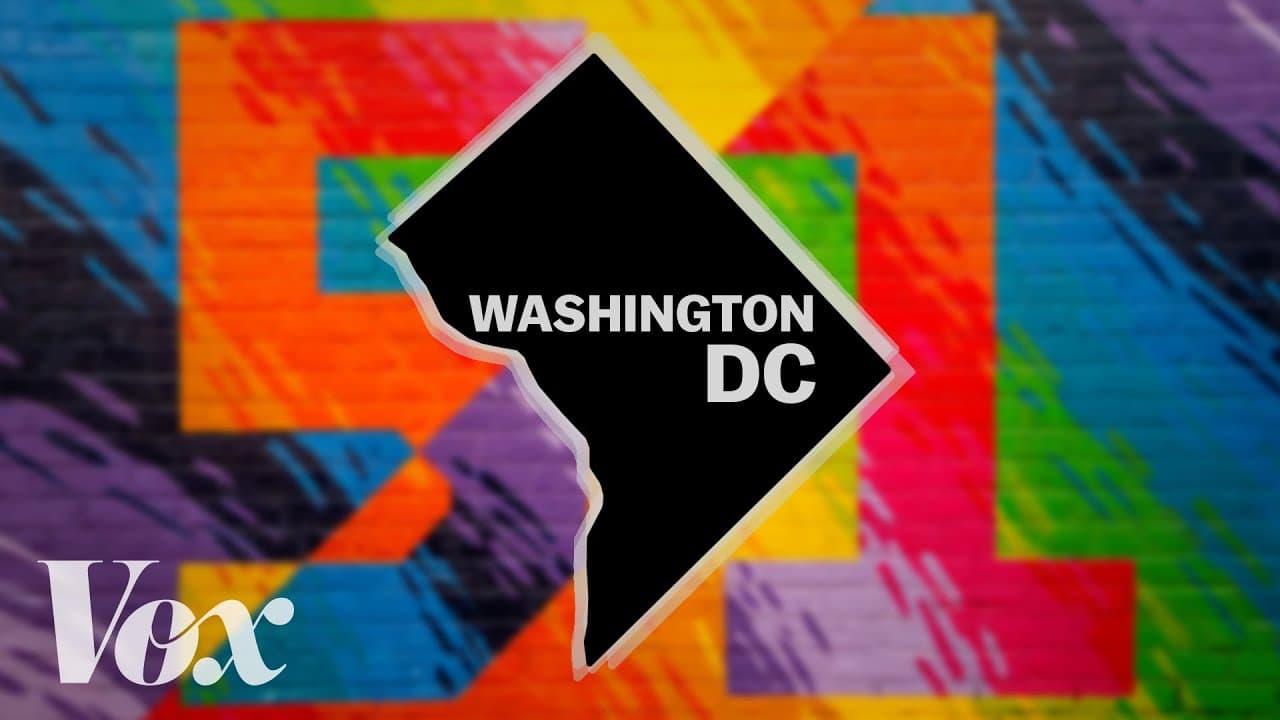
DC's statehood is a contentious political issue with historical roots.
Transcript
On June 26, 2020, the US House of Representatives voted to do something it had never done before. It passed a bill to create the 51st state by giving the US capital, Washington, DC, statehood. Members of the House of Representatives each represent between 500,000 and a million Americans. DC’s 700,000 residents are represented by this woman: Eleanor... Read More
Key Insights
- On June 26, 2020, the US House of Representatives voted for DC statehood, a historic but largely symbolic move due to political opposition.
- DC residents pay federal taxes yet lack full representation in Congress, fueling the push for statehood and highlighting 'taxation without representation.'
- Eleanor Holmes Norton represents DC in Congress but cannot vote, similar to delegates from territories like Puerto Rico and Guam.
- Congress has historically controlled DC's budget, often undermining its local government and clashing with the city's progressive policies.
- Republicans oppose DC statehood due to its potential to add Democratic seats in Congress, making it a politically charged issue.
- Historically, US states were added in pairs to maintain political balance, a practice influencing current debates on DC's statehood.
- DC's treatment as a territory in the 2020 coronavirus relief bill highlighted its lack of statehood benefits, intensifying calls for change.
- The federal government's opposition to DC statehood could change with future elections, potentially altering the political landscape.
Install to Summarize YouTube Videos and Get Transcripts
Explore YouTube Video Summarizer or Get YouTube Transcript Extractor
Questions & Answers
Q: Why did the US House of Representatives vote for DC statehood in 2020?
The US House of Representatives voted for DC statehood in 2020 to address the long-standing issue of 'taxation without representation' for DC residents. Despite paying federal taxes, DC residents lack full representation in Congress, fueling demands for statehood. The vote was historic but largely symbolic due to expected opposition from the Republican-controlled Senate and presidency.
Q: What is the significance of Eleanor Holmes Norton in the DC statehood debate?
Eleanor Holmes Norton is DC's non-voting delegate in Congress, representing the city's 700,000 residents. Her role underscores the lack of full congressional representation for DC, as she cannot vote on legislation. Norton's advocacy for statehood highlights the city's desire for equal representation, as DC residents pay federal taxes yet lack voting rights in Congress.
Q: How does Congress control DC's budget and local government?
Congress maintains control over DC's budget, often overriding local government decisions, particularly those reflecting the city's progressive policies. This control allows Congress to restrict DC's use of local tax dollars for services like abortion and needle-exchange programs, and to challenge the city's laws on issues like gun control and same-sex marriage, fueling the push for statehood.
Q: Why do Republicans oppose DC statehood?
Republicans oppose DC statehood because it could add Democratic seats to Congress, altering the current political balance. DC's population leans heavily Democratic, evident from the 2016 election where Trump received only 4% of the vote. The potential shift in congressional power dynamics makes statehood a contentious political issue for Republicans.
Q: What historical practices influence the current DC statehood debate?
Historically, the US added states in pairs to maintain political balance, such as pairing slave and free states or Republican and Democratic-leaning states. This practice influences the current DC statehood debate, as adding DC alone could shift the congressional balance towards Democrats, making it a politically charged issue.
Q: How did the 2020 coronavirus relief bill highlight DC's lack of statehood benefits?
The 2020 coronavirus relief bill treated DC as a US territory rather than a state, granting it significantly less funding than states received. This treatment highlighted DC's lack of statehood benefits and fueled calls for change, as residents felt the disparity underscored their lack of representation and equal treatment in federal matters.
Q: What role do future elections play in the DC statehood debate?
Future elections play a crucial role in the DC statehood debate, as shifts in political power could alter the federal government's stance. Currently, opposition from the Republican-controlled Senate and presidency blocks statehood efforts. However, changes in leadership could open the possibility for DC to achieve statehood and gain full representation in Congress.
Q: How does the federal government's opposition impact DC's statehood prospects?
The federal government's opposition, particularly from Republican leadership, significantly impacts DC's statehood prospects by blocking legislative efforts. As long as Republicans control key branches of government, DC's statehood remains unlikely. However, a change in political power through future elections could alter this dynamic, potentially paving the way for DC to become the 51st state.
Summary & Key Takeaways
-
The US House of Representatives' vote for DC statehood in June 2020 marked a significant yet symbolic step, as political opposition remains strong. DC residents pay taxes but lack full congressional representation, leading to the 'taxation without representation' slogan. The debate is deeply rooted in political power dynamics.
-
Eleanor Holmes Norton, DC's non-voting congressional representative, highlights the lack of representation for DC residents, who pay more federal taxes per capita than any state. Congress controls DC's budget, often overriding its progressive policies, fueling the push for statehood.
-
Republicans oppose DC statehood due to the potential shift in congressional balance, as the city leans Democratic. Historical practices of adding states in pairs to maintain political equilibrium continue to influence the debate, with the federal government's current stance against DC's statehood potentially subject to change with future elections.
Read in Other Languages (beta)
Share This Summary 📚
Summarize YouTube Videos and Get Video Transcripts with 1-Click
Try YouTube Summary with ChatGPT & Claude or YouTube Transcript Generator
Explore More Summaries from Vox 📚




Summarize YouTube Videos and Get Video Transcripts with 1-Click
Try YouTube Summary with ChatGPT & Claude or YouTube Transcript Generator