Modern Monetary Theory: How it Could Answer All Of Our Economic Problems
TL;DR
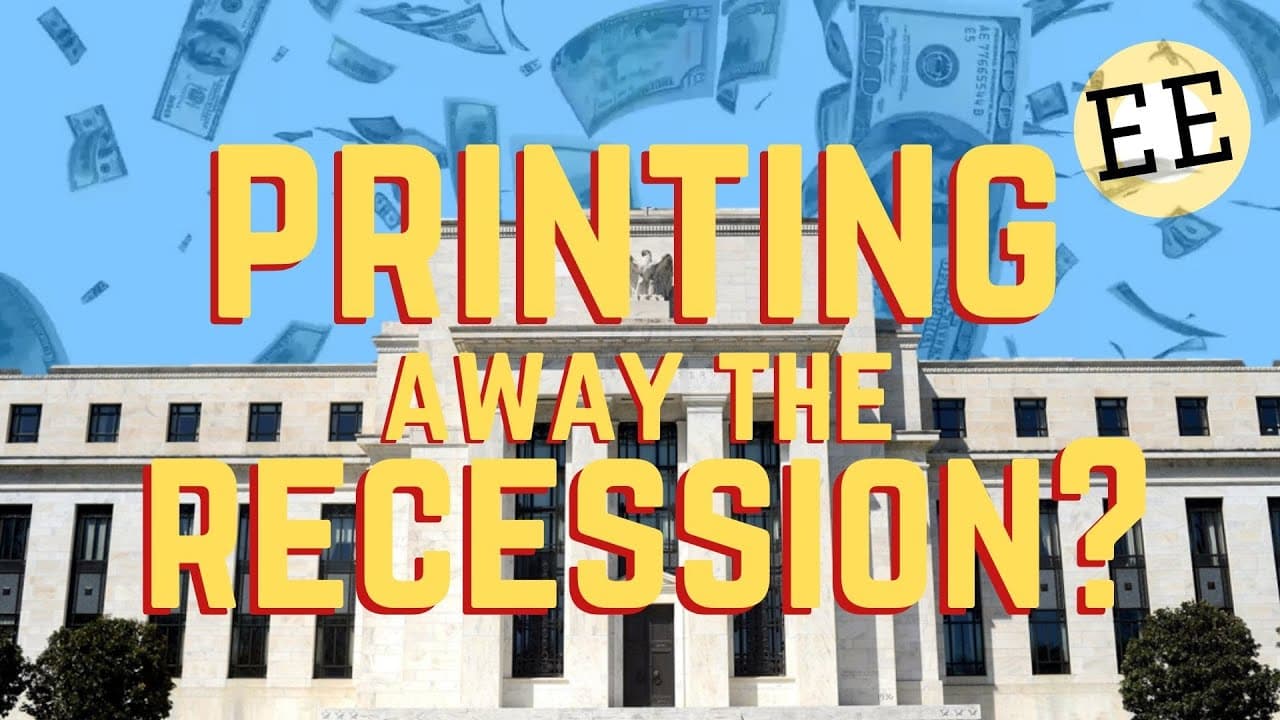
Modern Monetary Theory explains how money is created and used in modern economies.
Transcript
let's say you go down to your local bank and speak to the manager about getting a home line you have a good job a 20% down payment and you have always been very responsible with your credit card and your car loan so you get approved to borrow four hundred thousand dollars to purchase that new home good on you and for most people this is where their... Read More
Key Insights
- Modern Monetary Theory (MMT) explains money creation in modern economies, where money isn't backed by physical assets but created digitally.
- Cash is essential for transactions, taxes, and wealth storage, despite its abstract creation process, similar to in-game currencies.
- Government debt isn't inherently problematic under MMT, as governments can create money, unlike individual currency users.
- MMT suggests governments can fund any project by creating money, but inflation and demand for currency are critical considerations.
- Inflation is a significant limitation in MMT, as excessive money creation can devalue currency, as seen in historical cases.
- Central banks manage money supply and inflation, balancing government spending and taxation to maintain economic stability.
- Countries using shared currencies, like the Euro, can't fully apply MMT, as they lack control over their monetary policy.
- MMT offers insights into economic management, emphasizing understanding money's role over traditional views of government surplus.
Install to Summarize YouTube Videos and Get Transcripts
Explore YouTube Video Summarizer or Get YouTube Transcript Extractor
Questions & Answers
Q: How does Modern Monetary Theory explain the creation of money?
Modern Monetary Theory (MMT) explains that money is created digitally by governments and banks, not backed by physical assets like gold. Instead, money is created through transactions and credit, similar to how in-game currencies are generated. This allows governments to create money for funding projects without the constraints faced by individual currency users.
Q: Why is government debt not considered problematic under MMT?
Under MMT, government debt isn't seen as problematic because governments can create money. Unlike individual currency users who rely on income, governments are money creators. They can fund projects by creating money, making debt less concerning. However, managing inflation and maintaining demand for currency are critical to prevent devaluation.
Q: What role does inflation play in MMT?
Inflation is a significant concern in MMT, as excessive money creation can devalue currency. Historical examples, like Zimbabwe, show how uncontrolled money printing leads to hyperinflation. MMT emphasizes the need for careful management of money supply and demand to prevent inflation, which is a primary role of central banks.
Q: How do central banks manage money supply and inflation?
Central banks manage money supply and inflation by balancing government spending and taxation. They ensure the economy has enough money for growth without causing inflation. This involves regulating the money supply through interest rates and reserve requirements, maintaining economic stability by preventing both hyperinflation and deflation.
Q: Why can't countries using shared currencies fully apply MMT?
Countries using shared currencies, like the Euro, can't fully apply MMT because they lack control over their monetary policy. These countries can't create money independently, limiting their ability to manage economic issues using MMT principles. This reliance on a shared currency restricts their economic flexibility and response to crises.
Q: What insights does MMT offer for economic management?
MMT offers insights into economic management by emphasizing the understanding of money's role over traditional views of government surplus. It suggests that governments can fund projects by creating money, highlighting the importance of inflation control and currency demand. MMT challenges conventional economic views, promoting a deeper understanding of modern economies.
Q: How does MMT challenge traditional economic views?
MMT challenges traditional economic views by suggesting that government debt isn't inherently problematic, as governments can create money. It emphasizes the importance of understanding money's role in modern economies, highlighting inflation control and currency demand over traditional surplus-focused views. MMT offers a new perspective on economic management and policy-making.
Q: What are the limitations of MMT?
The limitations of MMT include inflation risks and applicability to countries with shared currencies. Excessive money creation can lead to inflation, devaluing currency. Countries using shared currencies, like the Euro, can't fully apply MMT due to lack of monetary control. Despite these challenges, MMT provides valuable insights into economic management and policy-making.
Summary & Key Takeaways
-
Modern Monetary Theory (MMT) provides a framework for understanding money creation and its role in modern economies. Unlike traditional views, MMT explains that money isn't limited by physical assets but created digitally, allowing governments to fund projects without the constraints faced by individual currency users.
-
MMT challenges conventional economic views by suggesting that government debt isn't inherently problematic, as governments can create money. However, it highlights the importance of inflation control and maintaining demand for currency, which are critical for economic stability.
-
While MMT offers valuable insights into economic management, it has limitations, such as inflation risks and applicability to countries with shared currencies. Despite these challenges, MMT emphasizes the need for understanding money's role in modern economies over traditional surplus-focused views.
Read in Other Languages (beta)
Share This Summary 📚
Summarize YouTube Videos and Get Video Transcripts with 1-Click
Try YouTube Summary with ChatGPT & Claude or YouTube Transcript Generator
Explore More Summaries from Economics Explained 📚


Summarize YouTube Videos and Get Video Transcripts with 1-Click
Try YouTube Summary with ChatGPT & Claude or YouTube Transcript Generator