Why Your Shoulder Hurts (And What To Do About It!)
TL;DR
Explore shoulder pain causes and treatment options in this detailed video.
Transcript
in this video I'm going to tell you why your shoulder hurts and what you should do about it there are timestamps for each diagnosis so you can jump to exactly what you're looking for if you'd like and as it heads up we have videos that are 10 to 20 minutes long about most of the diagnoses I'm going to talk about so p... Read More
Key Insights
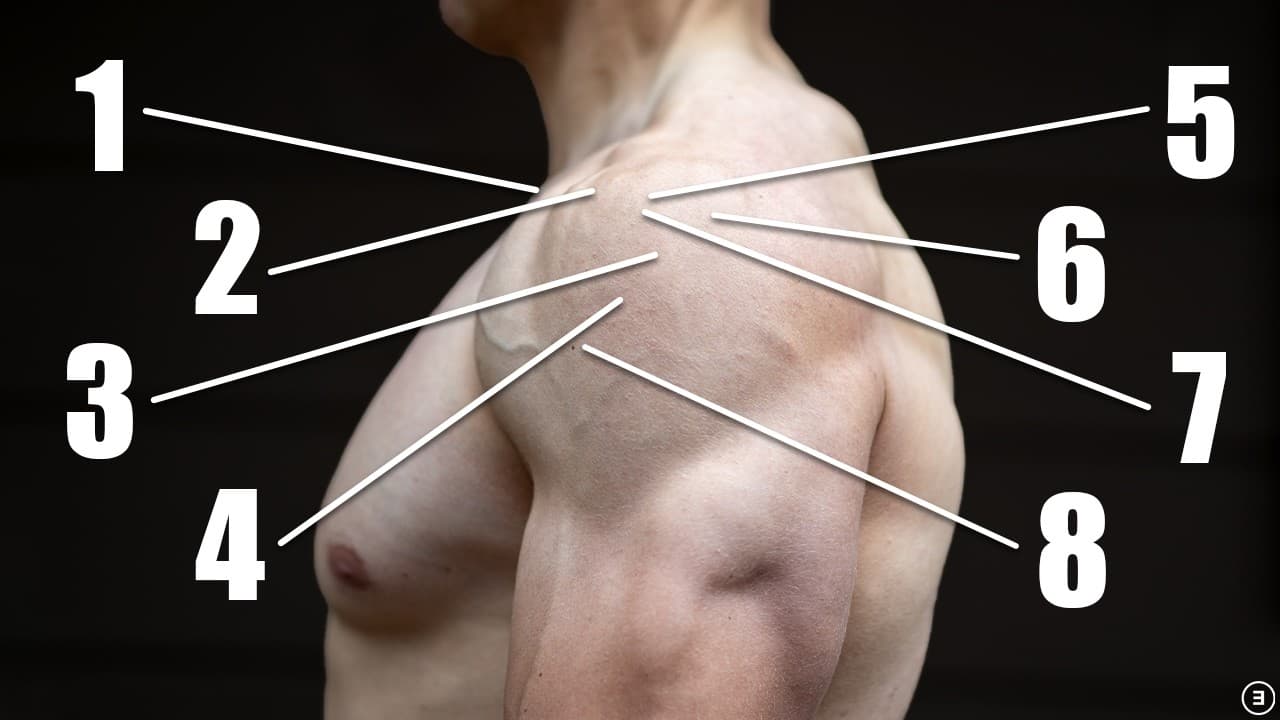
- The shoulder complex consists of three joints: glenohumeral, acromioclavicular, and sternoclavicular, each contributing to shoulder mobility and stability.
- AC joint injuries are classified into six types, with treatment options varying from non-operative management to surgery based on severity.
- Frozen shoulder, commonly affecting women aged 40-65, involves pain and stiffness, often taking up to two years for symptoms to resolve.
- Shoulder instability can be traumatic or atraumatic, with management options including surgery and rehabilitation, depending on the injury type and severity.
- SLAP tears involve the superior labrum, with non-operative management often recommended, especially in asymptomatic cases.
- Rotator cuff tears are common in asymptomatic individuals and may not always correlate with function, highlighting the importance of exercise therapy.
- Shoulder impingement is not solely caused by tissue compression, and exercise is encouraged to manage symptoms effectively.
- Tendinopathy involves persistent pain and loss of function, with rehabilitation focusing on manageable exercise routines and lifestyle modifications.
Install to Summarize YouTube Videos and Get Transcripts
Explore YouTube Video Summarizer or Get YouTube Transcript Extractor
Questions & Answers
Q: What are the main components of the shoulder complex?
The shoulder complex comprises three joints: the glenohumeral joint, the acromioclavicular joint, and the sternoclavicular joint. The glenohumeral joint is a ball and socket joint providing significant mobility, while the acromioclavicular and sternoclavicular joints contribute to stability and movement range.
Q: How are AC joint injuries classified?
AC joint injuries are classified into six types based on the Rockwood classification system. Type 1 involves a mild sprain, while type 6 involves inferior displacement of the clavicle. Treatment options range from non-operative management to surgery, depending on the injury's severity and patient-specific factors.
Q: What is frozen shoulder, and who is most affected?
Frozen shoulder, or adhesive capsulitis, is characterized by pain and stiffness, often affecting women aged 40-65. It can take up to two years for symptoms to resolve, with rehabilitation and lifestyle modifications recommended to regain full function. Primary and secondary types exist, with the latter associated with conditions like diabetes.
Q: What are the management options for shoulder instability?
Shoulder instability management includes surgery and rehabilitation. Traumatic instability often involves structural damage, while atraumatic cases may result from overuse. Surgery may be beneficial for younger athletes with traumatic instability, while rehabilitation is generally recommended for atraumatic cases unless symptoms persist.
Q: What is the significance of SLAP tears?
SLAP tears involve the superior labrum and can cause deep shoulder pain. They are classified into four types, with non-operative management often recommended, especially in asymptomatic cases. Chronic SLAP tears are common in athletes, but abnormalities on imaging are frequent even in those without symptoms.
Q: How are rotator cuff tears and shoulder impingement managed?
Rotator cuff tears and shoulder impingement are managed primarily through exercise therapy, as these conditions often relate to tissue sensitivity rather than structural damage. Surgery is not always necessary, and exercise is safe, helping to improve symptoms and function over time.
Q: What is tendinopathy, and how is it treated?
Tendinopathy involves persistent pain and loss of function related to tendon loading. It is often due to repetitive overuse or overload. Rehabilitation focuses on manageable exercise routines and lifestyle modifications, rather than anti-inflammatory treatments, as acute inflammation is not the primary symptom driver.
Q: What should be considered regarding shoulder pain not related to the shoulder?
Shoulder pain may originate from areas like the neck, heart, or lungs. For instance, cervical radiculopathy can cause shoulder pain, and heart conditions may present with shoulder symptoms. It's crucial to consult with a healthcare professional to accurately diagnose and address the underlying cause of shoulder pain.
Summary & Key Takeaways
-
The video explores various shoulder conditions, including AC joint injuries, frozen shoulder, and SLAP tears, providing insights into their causes and treatment options. It emphasizes the importance of understanding shoulder anatomy and the role of exercise in managing symptoms.
-
Shoulder instability is discussed, highlighting the differences between traumatic and atraumatic types, with rehabilitation often being the first line of treatment. The video also covers the prevalence of rotator cuff tears and the role of exercise therapy in managing such conditions.
-
The content addresses common misconceptions about shoulder impingement and tendinopathy, emphasizing that exercise is safe and beneficial. It also touches on referred pain from the neck and the importance of consulting healthcare professionals for accurate diagnosis and treatment.
Read in Other Languages (beta)
Share This Summary 📚
Summarize YouTube Videos and Get Video Transcripts with 1-Click
Try YouTube Summary with ChatGPT & Claude or YouTube Transcript Generator
Explore More Summaries from E3 Rehab 📚
Summarize YouTube Videos and Get Video Transcripts with 1-Click
Try YouTube Summary with ChatGPT & Claude or YouTube Transcript Generator