4 Ways to Cultivate Mindfulness in the Classroom
TL;DR
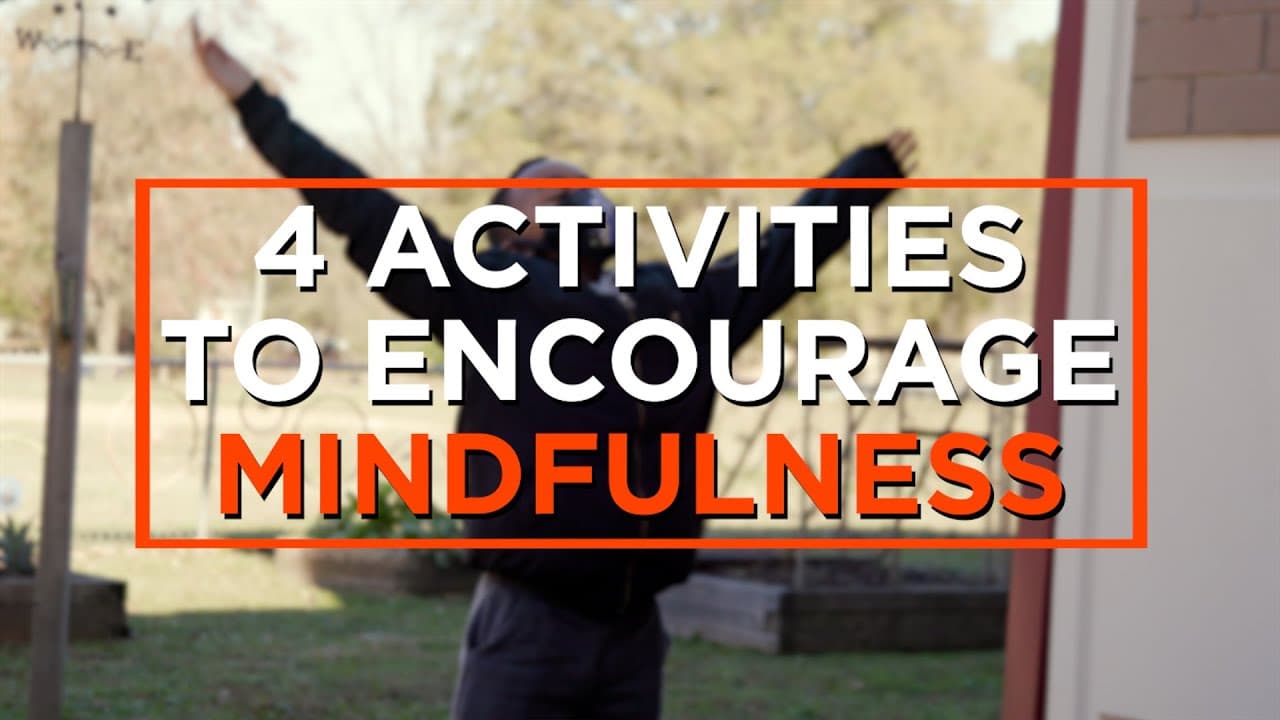
Introduce mindfulness in the classroom through activities such as controlled breathing, body scan, sensory awareness, and gratitude practice.
Transcript
Narrator: Cultivating mindfulness in the classroom has both physical and psychological benefits, including increased concentration and engagement and an improvement in self-awareness and self-esteem. Here are four activities to introduce mindfulness to your students. >>Narrator: One of the symptoms of stress is shallow breathing. Practicing contr... Read More
Key Insights
- 🤳 Introducing mindfulness activities in the classroom has physical and psychological benefits for students, including increased concentration, engagement, self-awareness, and self-esteem.
- 🎮 Controlled breathing is an effective technique to regulate emotions and promote a sense of calm.
- 🧑🎓 Conducting a body scan helps students release tension and focus on their physical sensations.
- 😰 Sensory awareness exercises help students shift attention away from anxious thoughts and connect with the present moment.
- 🥹 Practicing gratitude enhances relationships, increases optimism, and boosts self-esteem.
- ❓ Mindfulness activities can be incorporated into daily or weekly classroom routines.
- 😀 There are various resources available, such as body scan meditation apps or videos, to support mindfulness practices.
Install to Summarize YouTube Videos and Get Transcripts
Explore YouTube Video Summarizer or Get YouTube Transcript Extractor
Questions & Answers
Q: How does controlled breathing benefit students' emotional regulation?
Controlled breathing allows students to become aware of their emotions and learn how to regulate them. It helps reduce stress and promotes a sense of calm by activating the parasympathetic nervous system, responsible for relaxation.
Q: How does a body scan help alleviate tension in students?
By guiding students through a body scan, they become more attuned to their physical sensations and areas of tension. This practice allows them to release tension and experience a heightened sense of relaxation and overall well-being.
Q: How does the sensory awareness exercise help students focus and reset their brains?
Shifting attention to the immediate surroundings through the sensory awareness exercise helps students redirect their focus from worrisome thoughts. By engaging with their senses, they connect with the present moment, enabling the brain to reset and regain focus for learning.
Q: What are the benefits of a gratitude practice for students?
Engaging in a daily or weekly gratitude practice helps students identify what they're thankful for, fostering positive emotions and a sense of appreciation. This practice enhances relationships, increases joy and optimism, reduces feelings of loneliness, and contributes to a positive classroom culture.
Summary & Key Takeaways
-
Practicing controlled breathing helps students regulate their emotions and improve concentration.
-
Conducting a body scan helps bring awareness to the body and release tension.
-
Sensory awareness exercises shift attention away from anxious thoughts, allowing students to focus on the present moment.
-
Engaging in gratitude practice enhances relationships, increases optimism, and boosts self-esteem.
Read in Other Languages (beta)
Share This Summary 📚
Summarize YouTube Videos and Get Video Transcripts with 1-Click
Try YouTube Summary with ChatGPT & Claude or YouTube Transcript Generator
Explore More Summaries from Edutopia 📚





Summarize YouTube Videos and Get Video Transcripts with 1-Click
Try YouTube Summary with ChatGPT & Claude or YouTube Transcript Generator