Last Lecture Series: “If Not You, Then Who,” Allison Kluger
TL;DR
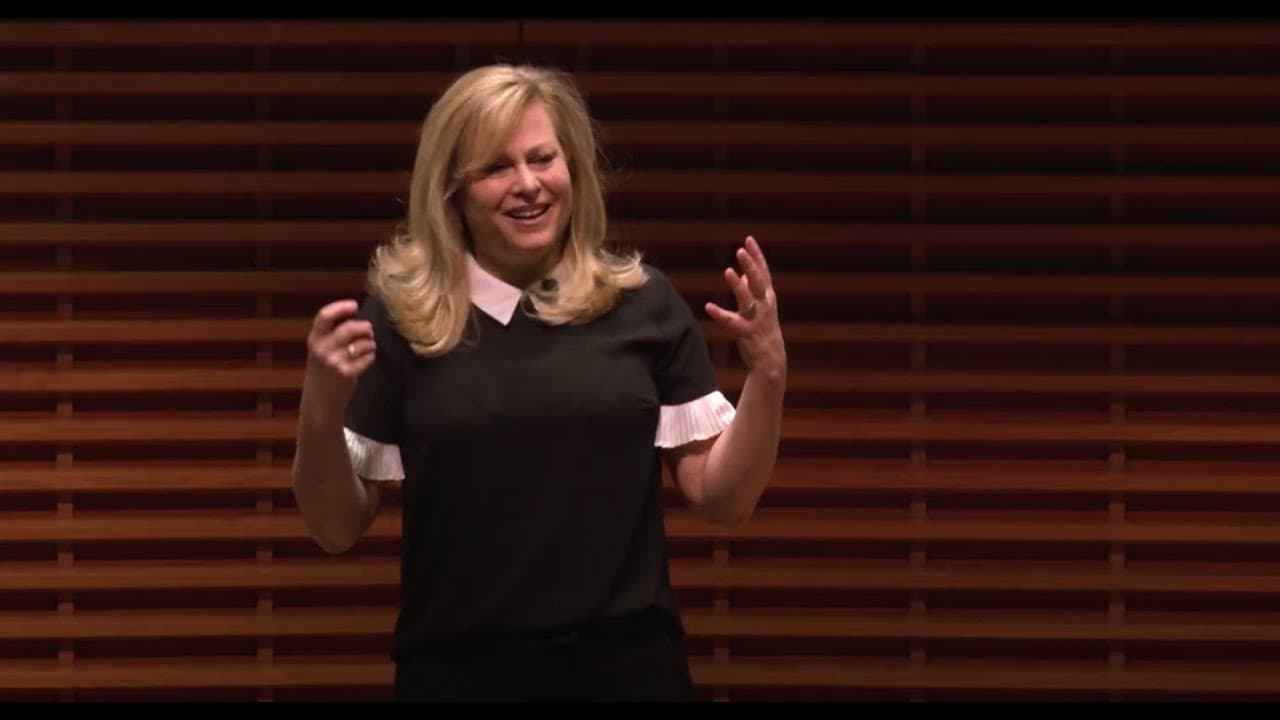
In this keynote speech, Alison Kluger shares personal stories and insights on the importance of leading with love, embracing vulnerability, and creating an authentic personal brand.
Transcript
Hi, I'm Michelle Klein, member of the GSB Alumni Association Board, and I'm pleased to welcome you to this production [MUSIC] >> Yeah, change the organization change the world [MUSIC] >> If not you then who? If not, you then who? You are sitting here, on the precipice of leaving the GSB with the whole world in front of you, and you can do anything.... Read More
Key Insights
- 🤩 Vulnerability and authenticity are key in building trust and connecting with others.
- ✊ Stories have the power to convey personal experiences, values, and strengths, enabling individuals to create their own narratives.
- 🥰 Leading with love, compassion, and empathy can have a profound impact on personal and professional relationships.
- 🥡 Taking ownership of one's narrative and embracing one's unique qualities are essential in creating an authentic personal brand.
- 🏃 Transparency and honesty can build credibility and trust, but discretion should also be exercised when necessary.
- 🤳 Overcoming imposter syndrome requires self-reflection, recognizing one's strengths, and developing confidence in one's value and abilities.
- ✊ Each individual has the power to shape their own narrative and make a positive impact on others.
Install to Summarize YouTube Videos and Get Transcripts
Explore YouTube Video Summarizer or Get YouTube Transcript Extractor
Questions & Answers
Q: How can vulnerability and authenticity be leveraged as powerful tools for leadership?
Vulnerability and authenticity allow leaders to connect on a deeper level with their teams and build trust. By sharing personal stories and embracing vulnerability, leaders can create an open and inclusive environment where individuals feel comfortable expressing themselves and taking risks.
Q: How can individuals overcome imposter syndrome and gain the confidence to embrace their personal brand?
Overcoming imposter syndrome requires self-reflection and understanding one's strengths and unique qualities. By recognizing and embracing their own talents, individuals can build the confidence and authenticity needed to embrace their personal brand and convey their value to others.
Q: Is it always necessary to be transparent and upfront in a professional setting?
While transparency and authenticity are generally beneficial, there may be situations where it is more appropriate to exercise discretion. It is important to use judgment and consider the potential impact of sharing personal information in professional settings. However, fostering open communication and being true to oneself can often lead to stronger connections and more meaningful relationships.
Summary & Key Takeaways
-
Alison emphasizes the importance of embracing vulnerability and sharing personal stories as a means of connecting with others and building trust.
-
She encourages individuals to take control of their own narratives and use storytelling to convey their strengths, values, and personal experiences.
-
Alison emphasizes the significance of authenticity and treating others with compassion, highlighting the power of empathy and understanding in leadership and personal relationships.
Read in Other Languages (beta)
Share This Summary 📚
Summarize YouTube Videos and Get Video Transcripts with 1-Click
Try YouTube Summary with ChatGPT & Claude or YouTube Transcript Generator
Explore More Summaries from Stanford Graduate School of Business 📚




Summarize YouTube Videos and Get Video Transcripts with 1-Click
Try YouTube Summary with ChatGPT & Claude or YouTube Transcript Generator