The spellbinding art of human anatomy | Vanessa Ruiz
TL;DR
This content explores the intersection of art and anatomy, showcasing how artists are reimagining and reinvigorating anatomical art to create a deeper connection with the human body.
Transcript
As a lover of human anatomy, I'm so excited that we're finally putting our bodies at the center of focus. Through practices such as preventive medicine, patient empowerment and self-monitoring -- down to now obsessing over every single step we take in a day. All of this works to promote a healthy connection between ourselves and our bodies. Despite... Read More
Key Insights
- ⚕️ The focus on preventive medicine, patient empowerment, and self-monitoring promotes a healthy connection between ourselves and our bodies, but general public knowledge of human anatomy is lacking.
- 🎨 Medical illustrations have traditionally existed within the realm of medical education, but artists are now breaking anatomy out of the confines of the medical world and bringing it into the public space.
- 🔬 During the Renaissance, artists played a crucial role in advertising anatomical discoveries and created some of the strangest anatomical illustrations that entertained and taught simultaneously.
- 💀 Medical illustrations capture our imaginations because they still evoke an emotional response and are a balance between technique and conceptual art.
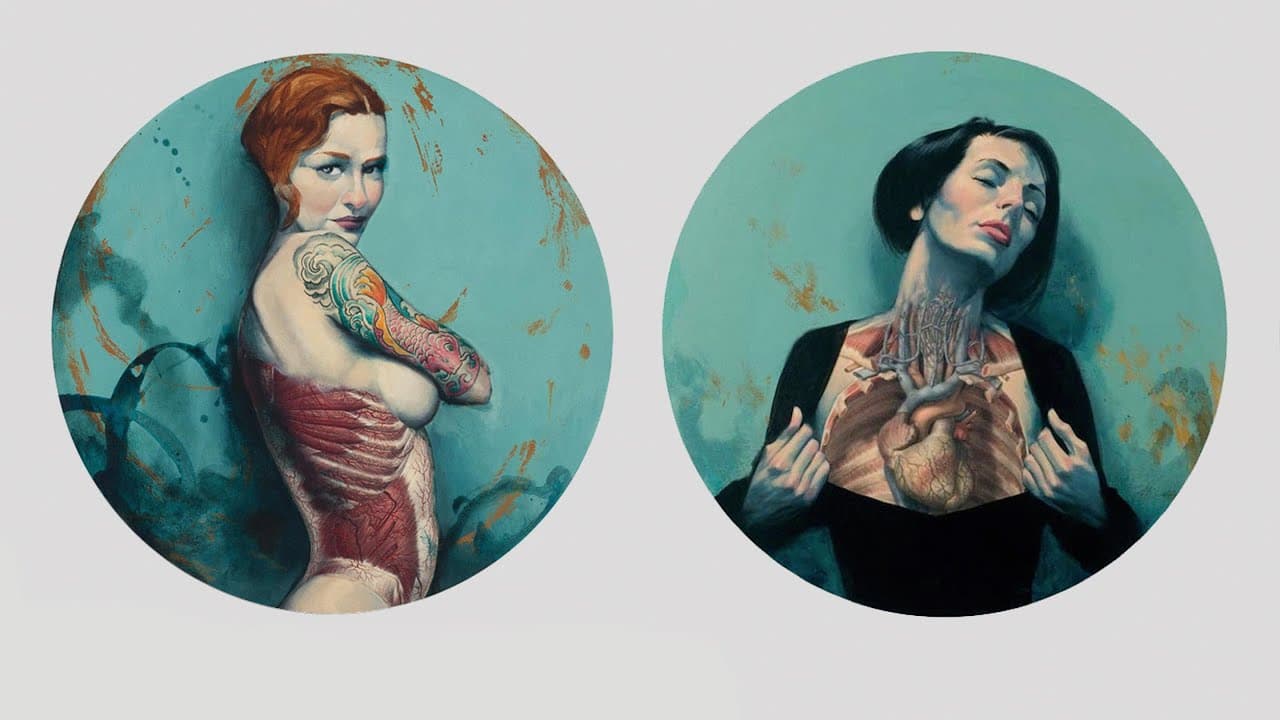
- 🎨 Artists like Fernando Vicente are reinvigorating anatomy by enveloping anatomical illustrations in a strong femininity and introducing new concepts like the repair and recovery of the human body through art.
- 🔍 Artistic exploration of anatomy extends beyond humans to toys, politically charged objects like guns dissected to reveal human organs, and pop culture icons depicted in X-rays by street artists.
- 🖌️ Artists like Michael Reedy and Danny Quirk bend the rules of medical illustration by adding humor, dramatic lighting, and creating 3-D illusions that transition into body painting and street art.
- 🔬 Anatomical art has the power to reach beyond medical textbooks, ignite excitement in the public, and connect our innermost selves with our bodies through art.
Install to Summarize YouTube Videos and Get Transcripts
Explore YouTube Video Summarizer or Get YouTube Transcript Extractor
Questions & Answers
Q: Why is general public knowledge of the anatomical self lacking?
General public knowledge of the anatomical self is lacking because human anatomy is a difficult and time-intensive subject to learn. Many people don't know the location of their vital organs or even how they function.
Q: How did artists contribute to the field of anatomy in the past?
During the Renaissance, artists played a crucial role in anatomy by helping to advertise anatomists' discoveries to their peers and the public. They created anatomical illustrations that depicted dissected cadavers in both humorous and realistic ways, using color to bring depth and clarity to the subject.
Q: What makes medical illustrations intriguing and captivating?
Medical illustrations capture our imaginations because they are inherently beautiful and elicit emotional responses. The human body is naturally fascinating to us, and medical illustration, being a form of art, can evoke a wide range of emotions from joy to disgust.
Q: How are artists today reclaiming and reimagining anatomy?
Artists today are reclaiming anatomy by breaking it out of the confines of the medical world and thrusting it into the public space. They use techniques such as enveloping anatomical illustrations in sensuality, depicting the repair and recovery of the human body, injecting humor and social commentary, and bringing anatomy to the streets through graffiti-style art.
Q: What is the power of anatomical art?
Anatomical art has the power to go beyond the pages of a medical textbook and ignite excitement in the public. It can reinvigorate enthusiasm in the medical field and create a meaningful connection between individuals and their bodies. Anatomical art allows us to understand and depict the human body in relatable and engaging ways, fostering a deeper appreciation for our inner selves.
Summary & Key Takeaways
-
The general public lacks knowledge of human anatomy, including the location and function of vital organs, because it is a difficult subject to learn.
-
Medical illustrations have historically played a crucial role in teaching anatomy, and continue to captivate and intrigue us today.
-
Artists are now breaking anatomy out of the confines of the medical world and using it as a base to create imaginative and thought-provoking art that connects us to our bodies in new ways.
Read in Other Languages (beta)
Share This Summary 📚
Summarize YouTube Videos and Get Video Transcripts with 1-Click
Try YouTube Summary with ChatGPT & Claude or YouTube Transcript Generator
Explore More Summaries from TED 📚






Summarize YouTube Videos and Get Video Transcripts with 1-Click
Try YouTube Summary with ChatGPT & Claude or YouTube Transcript Generator