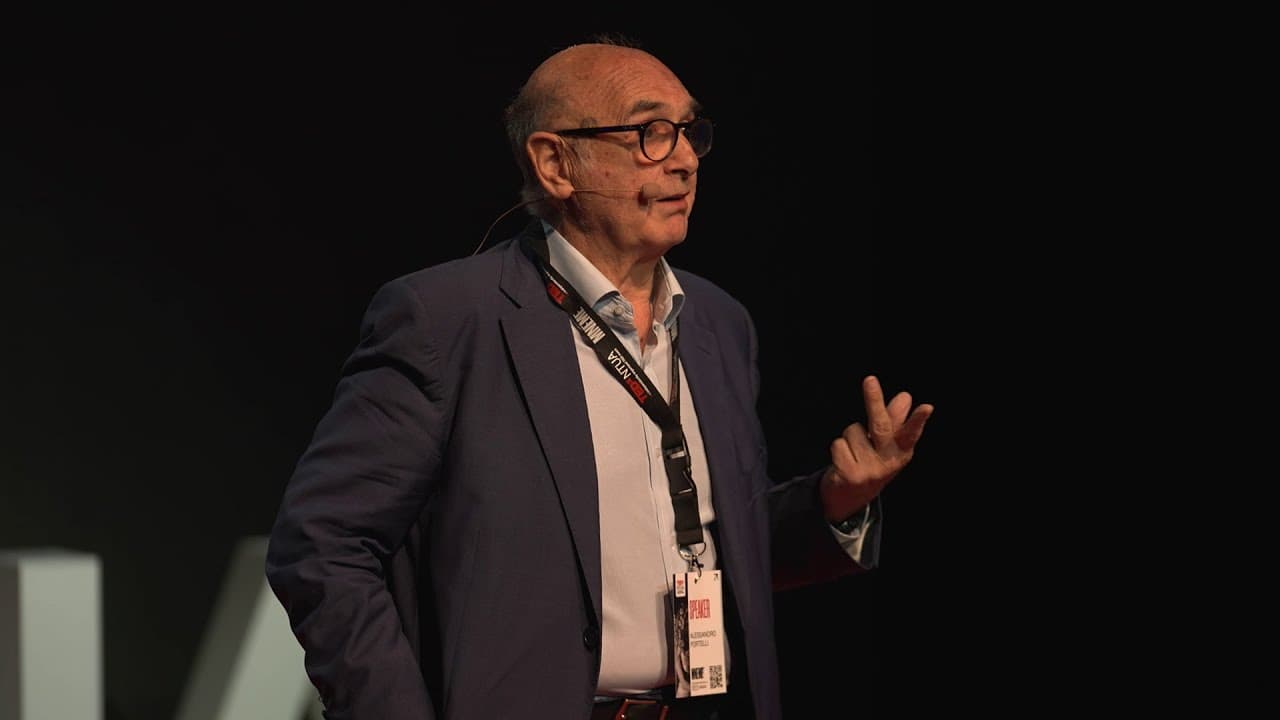
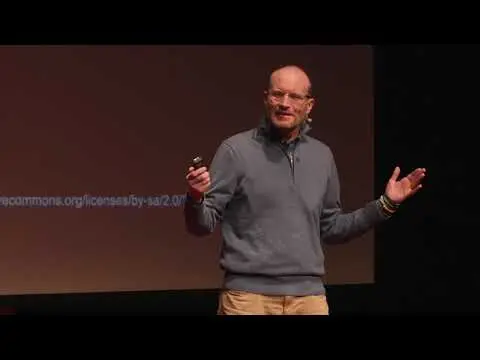
Oral history: a web of relationship | Alessandro Portelli | TEDxNTUA
TL;DR
Memory, biography, and dialogue intertwine in oral history, revealing the past's impact on the present through personal narratives.
Transcript
[Applause] well good evening and I'm on the one hand I'm very excited to be here this wonderful occasion in which students young people are running the show for once and um on the other hand I'm sorry that I am only able to uh share my thoughts with you in a in a foreign language which is foreign to both of to all of us but I hope we can communicat... Read More
Key Insights
- 🪸 Memory in oral history transcends time, shaping present perceptions and actions through past experiences.
- 🪸 Biography in oral history amplifies marginalized voices, highlighting individual experiences in historical contexts.
- 🤳 Dialogue with otherness in oral history fosters self-reflection, challenging biases and expanding perspectives.
- 🪸 Oral history captures personal narratives intertwined with historical events, enriching traditional historical accounts.
- 🫵 Memory, biography, and dialogue intersect in oral history, offering a multifaceted view of history and individual experiences.
- 🪸 Engaging in oral history challenges historical narratives, encouraging a deeper understanding of diverse perspectives.
- 🤳 Oral history serves as a transformative tool, fostering empathy, understanding, and self-awareness through dialogue across differences.
Install to Summarize YouTube Videos and Get Transcripts
Explore YouTube Video Summarizer or Get YouTube Transcript Extractor
Questions & Answers
Q: How does memory shape our interpretations of historical events in oral history?
Memory in oral history reveals that the past is not merely history but a living presence shaping present perspectives and actions. Personal narratives intertwined with historical events offer nuanced understandings of the past and its relevance today.
Q: What role does biography play in oral history, especially regarding marginalized voices?
Biography in oral history highlights the impact of significant historical events on individual lives, often overlooked in traditional history narratives. It sheds light on the experiences of marginalized groups and women in historical contexts, enriching our understanding of the past.
Q: How does dialogue with otherness contribute to oral history's transformative nature?
Dialogue with otherness in oral history challenges preconceived notions and encourages self-reflection. By engaging across differences, oral historians gain insights into diverse perspectives, fostering a deeper understanding of history and themselves.
Q: In what ways does oral history contribute to a more comprehensive view of history?
Oral history expands historical narratives by capturing personal experiences, emotions, and perspectives often absent from traditional texts. Through dialogue, memory, and biography, oral history enriches historical understanding by incorporating diverse voices and stories.
Summary & Key Takeaways
-
Oral history delves into memory, biography, and dialogue, capturing personal experiences intertwined with historical events.
-
Memory is not confined to the past; it influences present actions and perceptions.
-
Dialogue across differences in oral history expands understanding of history and oneself.
Read in Other Languages (beta)
Share This Summary 📚
Summarize YouTube Videos and Get Video Transcripts with 1-Click
Try YouTube Summary with ChatGPT & Claude or YouTube Transcript Generator
Explore More Summaries from TEDx Talks 📚


Summarize YouTube Videos and Get Video Transcripts with 1-Click
Try YouTube Summary with ChatGPT & Claude or YouTube Transcript Generator