Place-Based Learning: Connecting Kids to Their Community
TL;DR
Engaging students with their local environment through place based education fosters meaningful learning experiences and instills a sense of pride and connection to their community.
Transcript
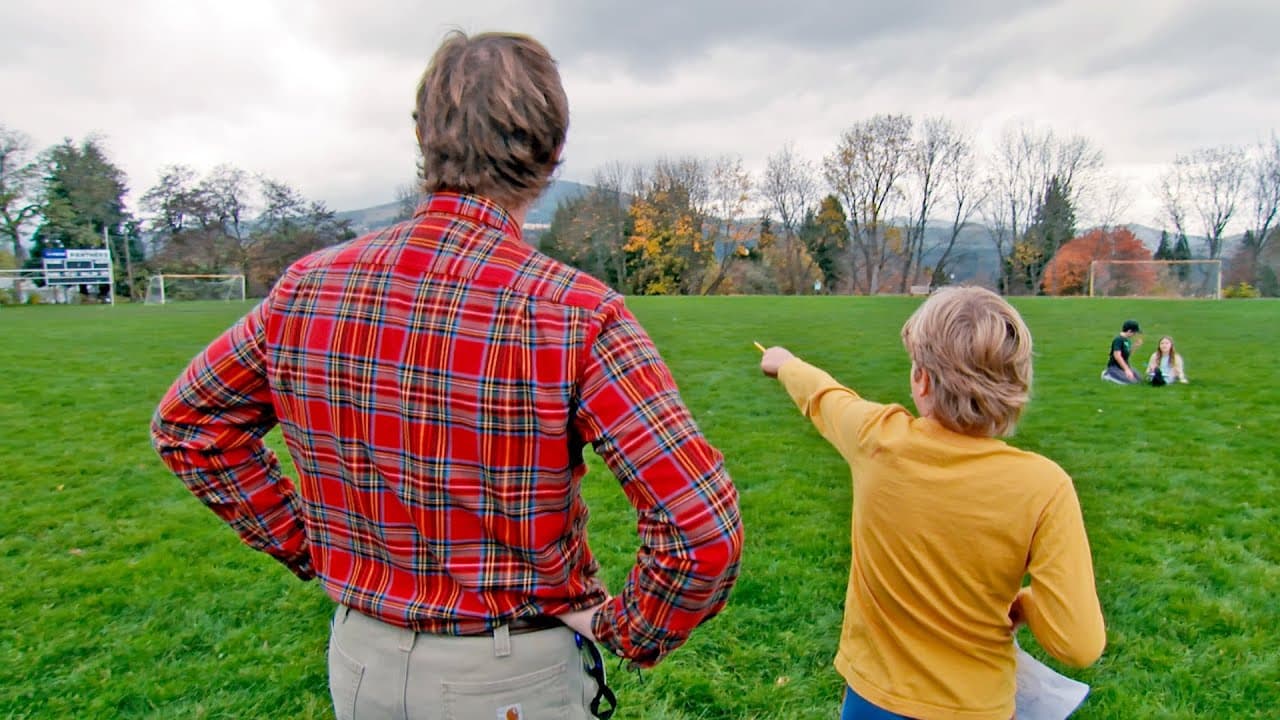
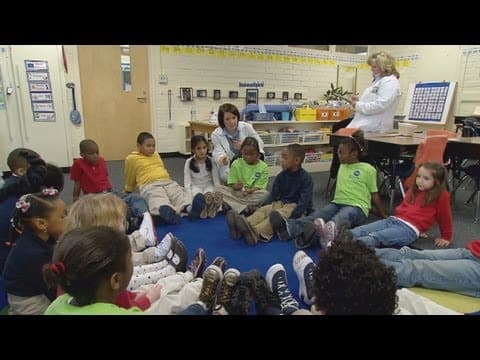
Michael: Is there more than one way to figure out how big an acre is? >>Students: Yes. >>Michael: Could it be two feet wide? >>Student: Uh-huh. >>Michael: Right, it's going to be really long, right. >>Brent: What works for student learning is engaging kids with their environment. It could be about the local culture. It could be about the local hi... Read More
Key Insights
- 🧑🎓 Place based education engages students by connecting learning to their local environment, whether it be through culture, history, or geography.
- 🧑🎓 Students develop a sense of pride and connection to their community through place based learning.
- 🤗 Place based education provides opportunities for hands-on experiences and real-world problem-solving.
- 🧑🎓 Incorporating local history and landmarks enhances students' understanding and appreciation of their roots.
- 👻 Studying geology through place based learning allows students to explore the unique geological features in their area.
- 🧑🎓 Place based learning fosters a sense of stewardship for the environment and encourages students to become active participants in their community.
- 🧑🎓 Math and other subjects can be integrated into place based learning, making learning more relevant and engaging for students.
Install to Summarize YouTube Videos and Get Transcripts
Explore YouTube Video Summarizer or Get YouTube Transcript Extractor
Questions & Answers
Q: How does place based education benefit student learning?
Place based education engages students with their environment, making learning more relatable and meaningful for them. By connecting curriculum to local culture, history, and geography, students develop a deeper understanding and appreciation for their community.
Q: What did the students in Hood River County do to learn about their local history?
The students created a museum in their historic building, displaying a timeline of local events and significant artifacts. They also took a field trip to explore the downtown area, comparing historical photos with present-day locations to understand the changes over time.
Q: How does place based learning incorporate geology?
In Hood River, students study the geology of the Columbia River Gorge, learning about volcanic activity, lava flows, and earthquakes that shaped the landscape. They also create models to understand how landslides occur and affect the environment.
Q: What skills do students acquire through place based education?
Place based learning equips students with skills to understand and connect with their community effectively. It fosters critical thinking, problem-solving, and an understanding of their role within the larger system.
Summary & Key Takeaways
-
Place based education involves connecting learning to the local environment, whether it be cultural, historical, or geographical.
-
Students in Hood River County school district created a museum in their historic building to learn about the local history and events.
-
Place based learning also includes studying geology by exploring the unique landscape of the Columbia River Gorge and understanding the geological history through hands-on activities.
Read in Other Languages (beta)
Share This Summary 📚
Summarize YouTube Videos and Get Video Transcripts with 1-Click
Try YouTube Summary with ChatGPT & Claude or YouTube Transcript Generator
Explore More Summaries from Edutopia 📚

Summarize YouTube Videos and Get Video Transcripts with 1-Click
Try YouTube Summary with ChatGPT & Claude or YouTube Transcript Generator