Deepfakes: Knowing when a video is real
TL;DR
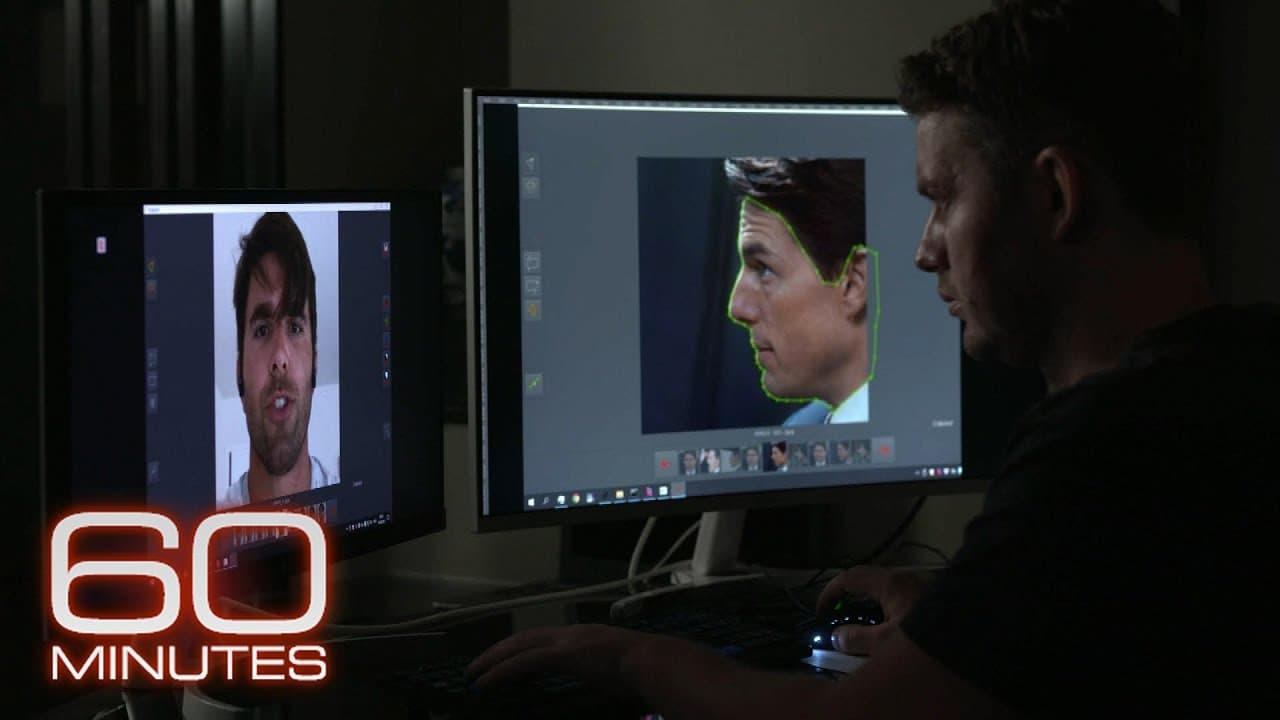
Deep fakes, AI-created videos, challenge trust in media, with potential societal consequences.
Transcript
60 minutes overtime this week on 60 minutes we report on synthetic media better known as deep fakes deep fakes are audio and videos created by artificial intelligence they manipulate faces and voices to make it look like someone said or did something they didn't do the result is videos of things that never happened often they look so real... Read More
Key Insights
- 🎮 Deep fakes, created by AI, manipulate videos and challenge trust in media content.
- 🤥 The liar's dividend concept arises when everything can be faked, leading to a loss of trust in reality.
- 🔉 Solutions to deep fakes involve detection technology, media providence, and a networked approach for resilience.
- 🔉 Deep fakes impact journalism, social media, and legal communities, requiring verification measures.
- 💁 Building trust in digital content is crucial to maintain a shared reality in a rapidly changing information ecosystem.
- 🧑💻 Deep fakes pose a significant societal challenge that requires collaborative efforts from policymakers and technologists.
- 🪡 The evolving threat of deep fakes highlights the need for robust solutions to combat synthetic media.
Install to Summarize YouTube Videos and Get Transcripts
Explore YouTube Video Summarizer or Get YouTube Transcript Extractor
Questions & Answers
Q: What are deep fakes, and how do they challenge trust in media?
Deep fakes are AI-generated videos that manipulate faces and voices, making fake content appear real. They challenge trust in media by blurring the lines between reality and fiction, leading to skepticism towards authentic content.
Q: What is the concept of the liar's dividend, as mentioned in the content?
The liar's dividend refers to the idea that if everything can be faked, nothing is real, leading to a loss of trust in all media. This concept highlights the societal implications of deep fakes on truth and perception.
Q: How can deep fakes impact various sectors like journalism, social media, and the legal community?
Deep fakes can profoundly impact journalism, social media, and the legal community where consensus on what happened is crucial. They challenge the authenticity of content, leading to trust issues and the need for verification methods.
Q: What are the suggested solutions to the deep fake issue mentioned in the content?
Solutions to combat deep fakes include detection technology to identify synthesized content, media providence to authenticate real media, and a networked approach involving policymakers, technologists, and civil society to build safeguards and resilience.
Summary & Key Takeaways
-
Deep fakes are videos created by AI, manipulating faces and voices to create fake content that appears real.
-
The impact of deep fakes includes a loss of trust in authentic media and the concept of a shared reality.
-
Solutions to the deep fake issue involve detection technology, media providence, and a networked approach involving policymakers and technologists.
Read in Other Languages (beta)
Share This Summary 📚
Summarize YouTube Videos and Get Video Transcripts with 1-Click
Try YouTube Summary with ChatGPT & Claude or YouTube Transcript Generator
Explore More Summaries from 60 Minutes 📚



Summarize YouTube Videos and Get Video Transcripts with 1-Click
Try YouTube Summary with ChatGPT & Claude or YouTube Transcript Generator