What Are the 10 Key Components of Project Planning?
TL;DR
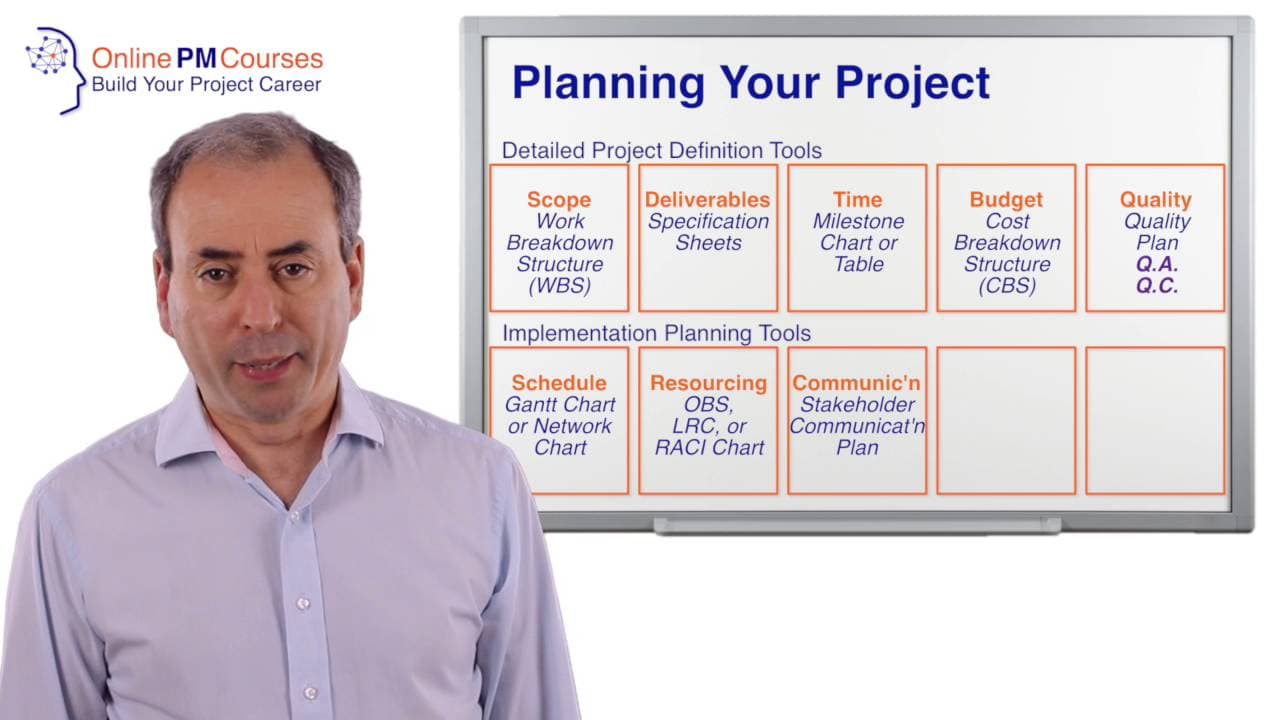
A solid project plan must include ten essential components: scope, deliverables, schedule, budget, quality, Gantt chart, resourcing, communications, governance, and risk management. Each component plays a critical role in ensuring project success, from outlining tasks and timelines to managing risks and stakeholder communication.
Transcript
hello I'm Mike Layton and this is the second of my series of short videos about managing a project in the last one we looked at the 10 critical elements for defining your project and in this video we're going to look at 10 essential components to a good project plan the first thing that needs to go into your plan is the scope of your project the th... Read More
Key Insights
- 🌱 A project plan should include the scope, deliverables, schedule, budget, quality, Gantt chart, resourcing, communications, governance, and risk management.
- 🤩 Milestones are key points in the project that represent important products, completion of phases, essential decisions, or external events.
- 💦 A work breakdown structure is a useful tool for outlining the tasks and activities in the project scope.
- 💹 Allocating individuals to activities can be done using an organization breakdown structure or a linear responsibility chart.
- 💁 Effective communication with stakeholders requires a stakeholder communication plan, considering the timing, format, and content of the communications.
- 📽️ Project governance ensures transparency, accountability, and adherence to organizational practices.
- ✳️ Risk management should be an active part of the project plan, using a risk register to identify, evaluate, and address risks.
Install to Summarize YouTube Videos and Get Transcripts
Explore YouTube Video Summarizer or Get YouTube Transcript Extractor
Questions & Answers
Q: What is the first component of a project plan?
The first component is the scope, which outlines all the tasks and activities needed to complete the project. A work breakdown structure is often used to create a scope plan.
Q: How can milestones help in understanding the timing of a project?
Milestones represent key points in the project, such as product delivery, completion of phases, essential decisions, or external events. They help in identifying important time markers and tracking progress.
Q: What is the purpose of a Gantt chart in project planning?
A Gantt chart is a useful tool for building, articulating, and communicating the project schedule. It visually represents activities against time, showing sequences of activities and work streams.
Q: Why is risk management an important component of a project plan?
Risk management, although a project control measure, needs to be included in the project plan. A risk register helps identify and evaluate risks, as well as plan actions to address them. Without it, the project may face significant risks.
Summary & Key Takeaways
-
The first component of a project plan is the scope, which outlines the tasks and activities needed to complete the project. A work breakdown structure is a useful tool for creating a scope plan.
-
The deliverables component includes a schedule of all the products to be produced during the project, as well as specification sheets for each deliverable.
-
Time or schedule is another important element, which can be understood through milestones. Milestones are key points in the project that represent important products, completion of phases, essential decisions, or external events.
-
A budget is necessary for every project. One way to prepare a project budget is by attaching costs to each element in the work breakdown structure to create a cost breakdown structure.
-
Quality is an essential component that requires a quality plan to ensure that all deliverables meet the specified standards and requirements.
-
The schedule component combines milestones and activities, typically represented using a Gantt chart, which helps in articulating, communicating, monitoring, and tracking progress.
-
Resourcing involves allocating individuals to various activities using an organization breakdown structure or a linear responsibility chart.
-
Effective communication with stakeholders is crucial, requiring a stakeholder communication plan to determine who receives what communications, when, and in what format.
-
Project governance ensures transparency, accountability, and adherence to organizational practices. It involves defining roles, responsibilities, and decision-making processes.
-
Risk management, although a project control rather than a plan, needs to be included in the project plan. A risk register helps identify, evaluate, and address risks.
Read in Other Languages (beta)
Share This Summary 📚
Summarize YouTube Videos and Get Video Transcripts with 1-Click
Try YouTube Summary with ChatGPT & Claude or YouTube Transcript Generator
Explore More Summaries from Online PM Courses - Mike Clayton 📚


Summarize YouTube Videos and Get Video Transcripts with 1-Click
Try YouTube Summary with ChatGPT & Claude or YouTube Transcript Generator