The Economy of Mexico
TL;DR
Mexico has strong economic traits but faces significant challenges.
Transcript
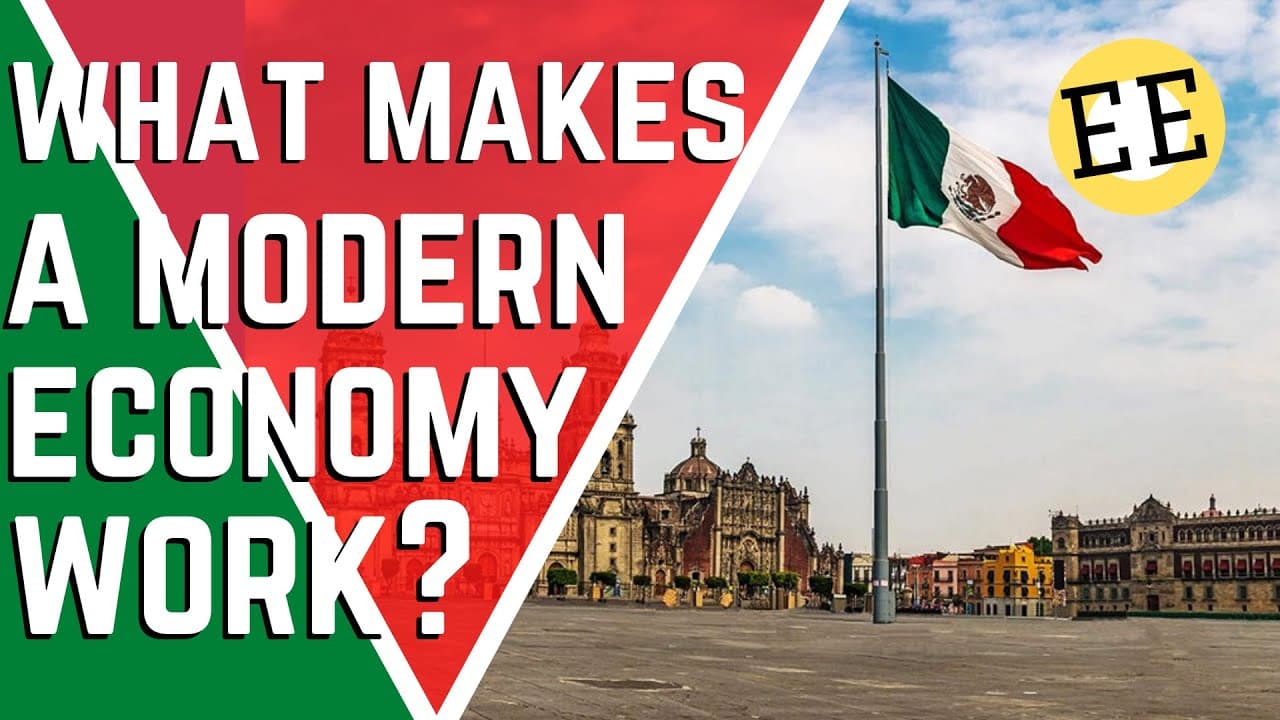
this is Mexico what is actually a pretty spectacular nation that is blessed with natural resources and natural beauty but of course it is not without its issues both real and perceived despite its many many critics though the nation has surprisingly strong economic characteristics a great export market a thriving manufacturing industry natural reso... Read More
Key Insights
- Mexico is blessed with natural resources and a young, productive workforce, making it a strong contender in the global economy.
- Despite having the 15th largest economy, wealth distribution is uneven, with significant regional disparities in income.
- Underbanking is a major issue in Mexico, hindering access to financial services and limiting economic growth.
- Social mobility is limited, with many educated individuals emigrating due to lack of opportunities, impacting the economy negatively.
- The North American Free Trade Agreement has facilitated foreign direct investment, boosting Mexico's manufacturing sector.
- Mexico's economy is heavily reliant on the United States, with over 80% of exports going there, creating economic vulnerability.
- Low household debt in Mexico is both a challenge and a strength, providing stability but limiting rapid economic growth.
- Recent technological advancements are improving access to financial services, potentially accelerating economic development.
Install to Summarize YouTube Videos and Get Transcripts
Explore YouTube Video Summarizer or Get YouTube Transcript Extractor
Questions & Answers
Q: What are the main economic strengths of Mexico?
Mexico's economic strengths include its abundant natural resources, a young and productive workforce, and a thriving manufacturing industry. The country's strategic geographic location also facilitates trade, particularly with the United States, making it a strong export market. These factors contribute to its position as the 15th largest economy in the world.
Q: How does wealth inequality affect Mexico's economy?
Wealth inequality in Mexico is a significant issue, with income distribution heavily skewed towards major cities and industrial centers. This disparity limits social mobility and access to education and employment opportunities for rural populations. As a result, many skilled workers emigrate, impacting the country's economic growth and development negatively.
Q: What role does underbanking play in Mexico's economic challenges?
Underbanking is a major challenge in Mexico, where many citizens lack access to basic financial services like bank accounts and loans. This limits their ability to invest in homes or businesses, stifling economic growth and social mobility. It also affects the country's GDP, as financial transactions are less likely to be recorded or taxed.
Q: How does Mexico's relationship with the United States impact its economy?
Mexico's economy is heavily reliant on the United States, with over 80% of its exports going there. This dependency creates economic vulnerabilities, especially when trade agreements are renegotiated or when political relations are strained. However, it also provides opportunities for foreign investment and economic growth through trade.
Q: What are the effects of foreign direct investment in Mexico?
Foreign direct investment has been crucial for Mexico's economic development, particularly in its manufacturing sector. It has created jobs, improved infrastructure, and facilitated technology transfer. However, the economy's reliance on foreign investment also makes it vulnerable to changes in international trade policies and investor confidence.
Q: Why is Mexico's low household debt both a challenge and a strength?
Mexico's low household debt provides economic stability, especially during financial downturns, as citizens are less burdened by repayments. However, it also limits rapid economic growth, as consumer spending and investment are constrained. This cautious approach has prevented Mexico from experiencing the rapid industrial growth seen in other developing nations.
Q: How is technology improving access to financial services in Mexico?
Technological advancements are enhancing access to financial services in Mexico, allowing more citizens to open bank accounts and access loans. This shift is expected to boost economic growth by facilitating consumer spending and investment. Improved access to financial services also enhances social mobility, reducing emigration and retaining skilled workers.
Q: What potential does Mexico have for becoming an economic superpower?
Mexico has significant potential to become an economic superpower due to its natural resources, strategic geographic location, and young workforce. By improving access to financial services and reducing reliance on foreign investment, Mexico can foster economic growth, enhance social mobility, and address social and political issues, paving the way for sustained development.
Summary & Key Takeaways
-
Mexico has a strong economic foundation with natural resources, a young workforce, and a robust manufacturing sector. However, it faces significant challenges like crime and wealth inequality, which hinder its growth potential.
-
The country's heavy reliance on the United States for exports and foreign investment presents both opportunities and vulnerabilities. The renegotiation of trade agreements has created economic uncertainty, affecting investor confidence.
-
Despite being underbanked, Mexico's recent technological advancements are improving access to financial services. This shift could enhance social mobility, reduce emigration, and ultimately foster economic growth and stability.
Read in Other Languages (beta)
Share This Summary 📚
Summarize YouTube Videos and Get Video Transcripts with 1-Click
Try YouTube Summary with ChatGPT & Claude or YouTube Transcript Generator
Explore More Summaries from Economics Explained 📚




Summarize YouTube Videos and Get Video Transcripts with 1-Click
Try YouTube Summary with ChatGPT & Claude or YouTube Transcript Generator