How Edible Insects Can Combat Malnutrition in Madagascar
TL;DR
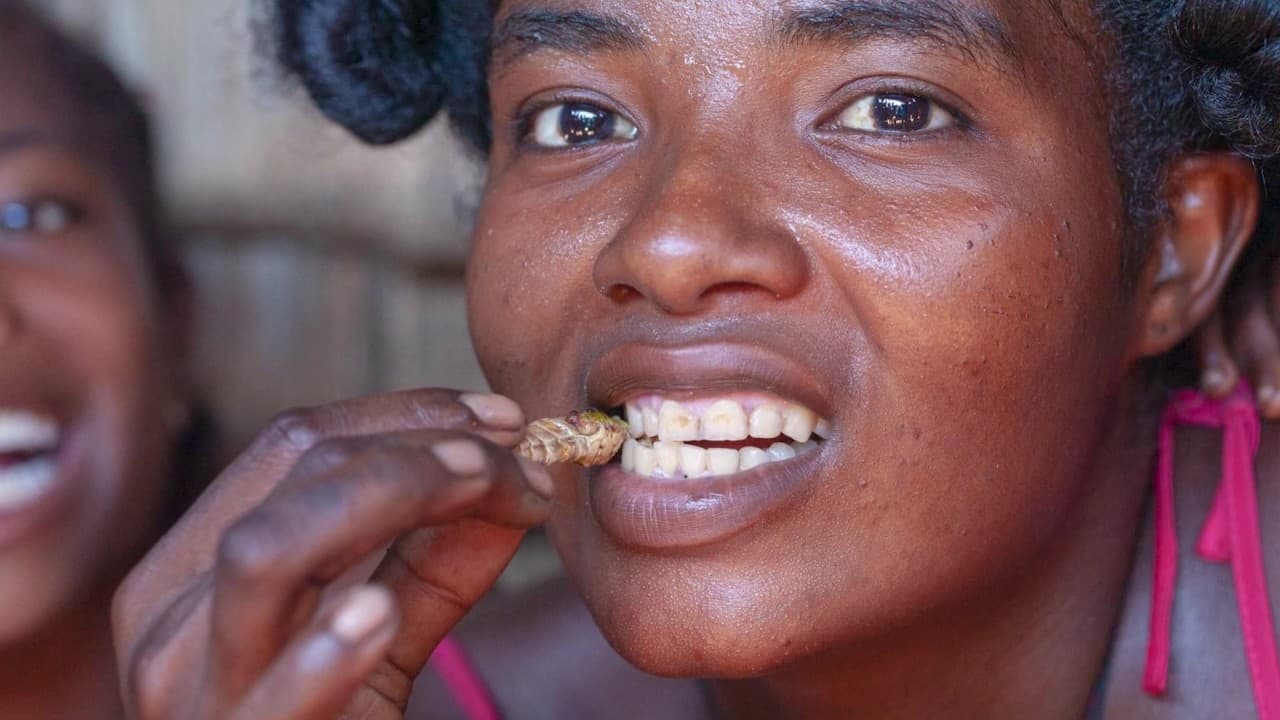
Edible insects present a sustainable solution to address malnutrition and deforestation in Madagascar. By farming local insect species, researchers aim to provide nutritional support while reducing reliance on traditional livestock, benefiting both the environment and local communities.
Transcript
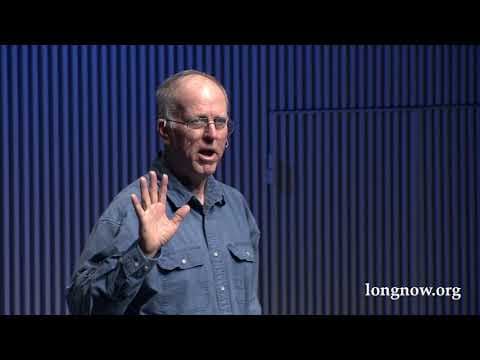
welcome I'm Alexander Rose I'm the executive director here at the long now foundation and I'm joining you live from the unfortunately clothes to interval for this one we actually filmed it here at the interval but it was great to work with a small socially distance crew to be filming here and I and I hope that the recording kind of gives it a diffe... Read More
Key Insights
- 🇲🇬 Edible insects offer a sustainable solution to address malnutrition and deforestation in Madagascar.
- 👣 Insects are an efficient protein source compared to traditional livestock and have a smaller environmental footprint.
- 🌥️ Local communities in Madagascar already consume edible insects, but there is a need for larger-scale farming and distribution to meet the demand.
- 😋 Research and fundraising efforts are focused on expanding edible insect production in Madagascar and addressing food scarcity and malnutrition in the country.
- 🤑 The cultivation of edible insects in Madagascar can also contribute to reforestation efforts and improve soil health through their nutrient-rich frass (excreta).
Install to Summarize YouTube Videos and Get Transcripts
Explore YouTube Video Summarizer or Get YouTube Transcript Extractor
Questions & Answers
Q: How did Bryan Fischer's interest in ants lead him to studying edible insects?
Fischer's initial fascination with ants in Madagascar's tropical forests led him to realize the importance of insects in ecosystem dynamics. This realization sparked his interest in edible insects as a sustainable protein source.
Q: What are the benefits of consuming insects compared to traditional livestock farming?
Insects are more efficient at converting feed into protein because they don't waste energy on maintaining body temperature. They also require less water and space, have a smaller carbon footprint, and provide more micronutrients when consumed.
Q: How is the production of edible insects being scaled up in Madagascar?
Fischer and his team are building a large-scale edible insect center in Madagascar to meet the demand for protein, address malnutrition, and reduce bush meat consumption. They are fundraising to support this initiative and expand their research and farming efforts.
Q: Are there any concerns about the spread of diseases through edible insects?
Unlike traditional livestock, there are no known diseases transmitted through edible insects. Additionally, insects can be safely stored for long periods, making them a reliable food source during emergencies.
Summary & Key Takeaways
-
Bryan Fischer, an entomologist specializing in ants, discusses the abundance and importance of insects in ecosystem preservation, particularly in Madagascar.
-
Madagascar faces challenges such as malnutrition, poverty, and deforestation. Fischer highlights the connection between the need for protein and the environment in this context.
-
Fischer's research focuses on identifying edible insects in Madagascar and developing sustainable farming methods to address malnutrition and the overconsumption of bush meat.
Read in Other Languages (beta)
Share This Summary 📚
Summarize YouTube Videos and Get Video Transcripts with 1-Click
Try YouTube Summary with ChatGPT & Claude or YouTube Transcript Generator
Explore More Summaries from Long Now Seminars 📚





Summarize YouTube Videos and Get Video Transcripts with 1-Click
Try YouTube Summary with ChatGPT & Claude or YouTube Transcript Generator