How did pink become a girly color?
TL;DR
Pink became a feminine color post-WWII due to cultural influences.
Transcript
In 1927 Time Magazine took a survey of all the major department stores across the country. They wanted to know which colors they associated with girls in their clothing lines. The answers came back pretty mixed. There's also a catalogue in 1918 that suggests that little girls should all wear blue because it's a delicate and dainty color. That’s Jen... Read More
Key Insights
- In 1927, a survey showed mixed associations for pink and blue with gender, indicating no clear gender-color norms at that time.
- In 1918, blue was suggested for girls due to its delicate connotation, highlighting the fluidity of color-gender associations.
- Pink's association with femininity solidified post-WWII, largely influenced by Mamie Eisenhower's preference for the color.
- Mamie Eisenhower's choice of pink at public events helped popularize the color as a symbol of femininity and grace.
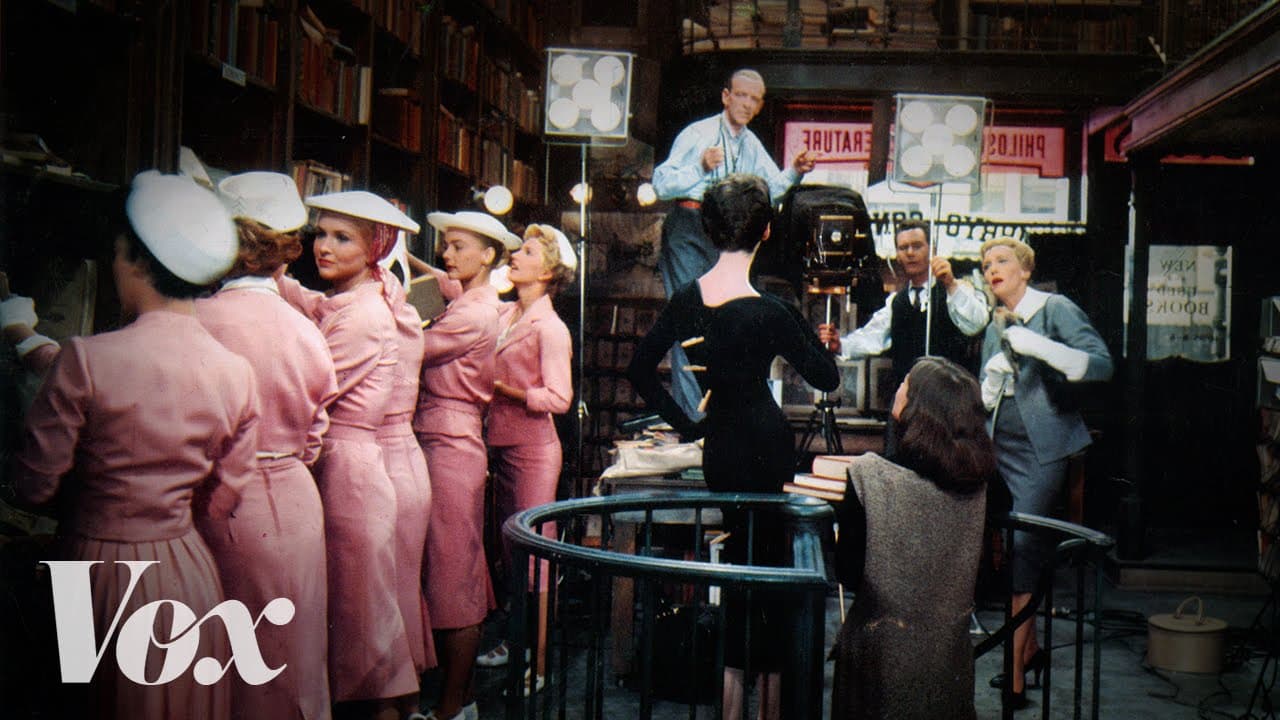
- The song 'Think Pink' from Funny Face emphasized a cultural shift towards pink as a fashionable and feminine color.
- The 1950s saw pink becoming popular in women's clothing and home decor, reflecting broader societal trends.
- Not all women embraced traditional roles associated with pink, as seen with figures like Diana Vreeland and Donna Mae Mims.
- Pink has evolved to symbolize both traditional femininity and female empowerment, as exemplified by figures like Hillary Clinton.
Install to Summarize YouTube Videos and Get Transcripts
Explore YouTube Video Summarizer or Get YouTube Transcript Extractor
Questions & Answers
Q: How did Mamie Eisenhower influence the association of pink with femininity?
Mamie Eisenhower significantly influenced the association of pink with femininity through her public appearances and personal style. Her preference for pink, particularly during her husband's inauguration, helped popularize the color as a symbol of grace and femininity. Her choice of pink was widely covered in the media, reinforcing the color's association with ladylike qualities.
Q: What role did the song 'Think Pink' play in the cultural shift towards pink?
The song 'Think Pink' from the musical Funny Face played a pivotal role in the cultural shift towards pink by promoting the color as fashionable and feminine. The song's lyrics encouraged women to embrace pink, contrasting it with the darker colors prevalent during wartime. This cultural endorsement helped cement pink's status as a chic and desirable color for women.
Q: How did the perception of pink change from the early 20th century to the 1950s?
In the early 20th century, pink was not distinctly associated with femininity, as evidenced by mixed survey results and recommendations for blue for girls. However, by the 1950s, pink had become strongly associated with femininity, largely due to cultural influences from figures like Mamie Eisenhower and media representations. This shift reflected broader societal changes in post-war America.
Q: What was the significance of the 1927 survey on color-gender associations?
The 1927 survey by Time Magazine revealed mixed associations between colors and gender, indicating that pink and blue were not yet firmly linked to specific genders. This survey highlights the fluidity of color-gender norms at the time and contrasts with the more rigid associations that developed in the latter half of the 20th century.
Q: How did post-war societal trends influence the popularity of pink?
Post-war societal trends, including a return to traditional gender roles and the influence of public figures like Mamie Eisenhower, contributed to the popularity of pink. The economic boom and cultural emphasis on domesticity and femininity in the 1950s made pink a fashionable choice for women's clothing and home decor, reflecting broader societal values.
Q: In what ways did some women resist the traditional associations of pink?
Some women resisted the traditional associations of pink by using the color to challenge gender norms. Figures like Donna Mae Mims, a racecar driver known for her pink attire and car, and Diana Vreeland, who rejected traditional roles, used pink to assert individuality and empowerment, showcasing the color's versatility and evolving symbolism.
Q: How has pink been used to symbolize female empowerment in modern times?
In modern times, pink has been used to symbolize female empowerment by figures like Hillary Clinton, who wore pink to challenge traditional gender roles and advocate for women's rights. Pink has become a color of strength and solidarity for women, used in movements and campaigns to promote gender equality and break societal barriers.
Q: What does the evolution of pink's symbolism tell us about societal attitudes towards gender?
The evolution of pink's symbolism from a neutral to a distinctly feminine color reflects changing societal attitudes towards gender. Initially, pink's association with femininity was influenced by cultural icons and media, but over time, it has come to represent both traditional and progressive views on gender. This evolution highlights the dynamic nature of cultural symbols and their role in shaping and reflecting societal values.
Summary & Key Takeaways
-
The association of pink with femininity is a relatively recent cultural development, gaining prominence post-WWII. Mamie Eisenhower played a significant role in popularizing the color through her public appearances. This shift was emblematic of broader societal trends, as pink became a staple in women's fashion and home decor.
-
In the early 20th century, pink was not distinctly associated with girls. A 1927 survey showed mixed color-gender preferences, and a 1918 catalog suggested blue for girls. The post-war era, however, saw pink become synonymous with femininity, influenced by cultural icons and media.
-
Pink's role in fashion and culture has been dual-faceted, representing both traditional femininity and modern empowerment. Figures like Donna Mae Mims and Hillary Clinton have used the color to challenge gender norms, illustrating pink's complex symbolism in contemporary society.
Read in Other Languages (beta)
Share This Summary 📚
Summarize YouTube Videos and Get Video Transcripts with 1-Click
Try YouTube Summary with ChatGPT & Claude or YouTube Transcript Generator
Explore More Summaries from Vox 📚




Summarize YouTube Videos and Get Video Transcripts with 1-Click
Try YouTube Summary with ChatGPT & Claude or YouTube Transcript Generator