PREVENT AND TREAT BLISTERS THE RIGHT WAY 👣 DERMATOLOGIST @DrDrayzday
TL;DR
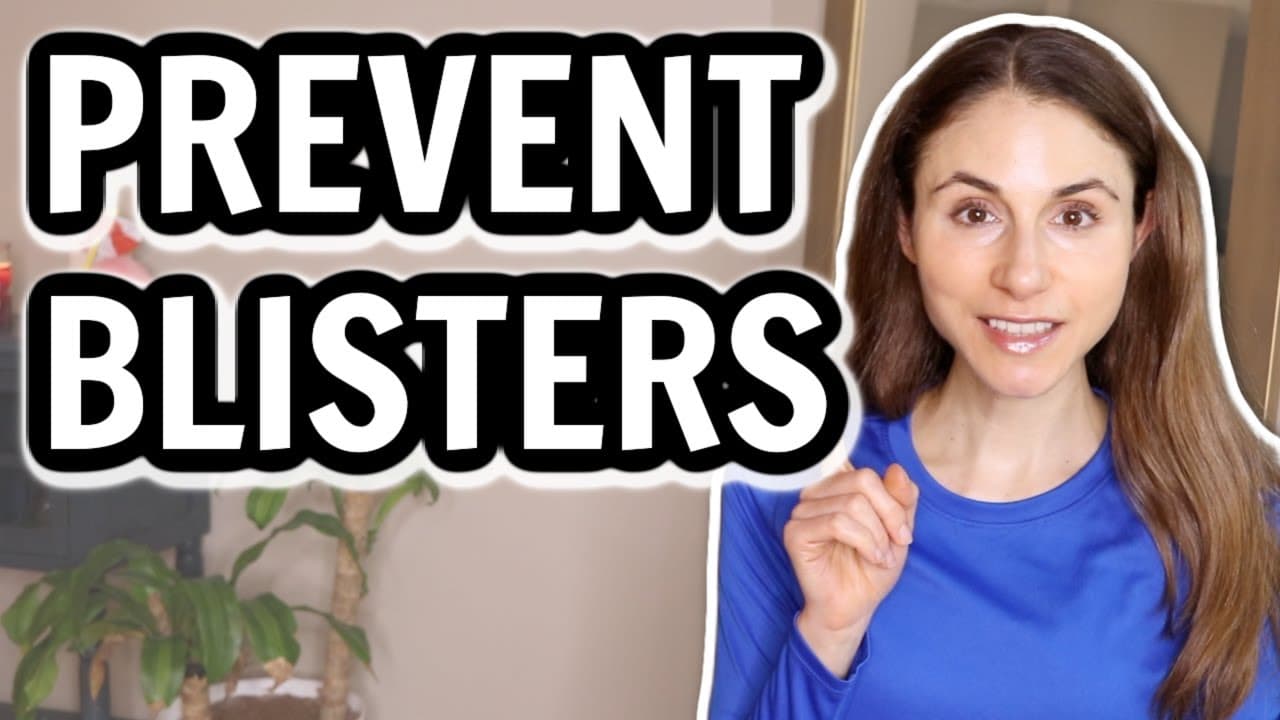
Learn how to prevent and treat blisters with tips on protecting your feet, keeping your skin dry, and using petroleum ointment.
Transcript
in today's video i'm going to be talking all about how to prevent blisters if you've ever had a blister they are miserable i've had so many in my life that i became an expert on them i say jokingly before i even entered my dermatology residency speaking of dermatology if you like skincare content from a dermatologist make sure you give this video a... Read More
Key Insights
- 🦶 Blisters can occur on any skin surface with friction or chafing, not just the feet.
- 🦶 Properly fitting shoes and moisture-wicking socks are essential for preventing blisters on the feet.
- 🥵 Excessive sweating can increase the risk of blisters, so keeping the skin dry is important.
- 🧑🏭 Petroleum ointment or alternatives can act as skin protectants to reduce friction and prevent blisters.
- ✋ Diabetics should take extra precautions with blisters due to the higher risk of infection.
- 🦛 It is important to keep blisters covered, avoid popping them if possible, and maintain cleanliness to prevent infection and promote healing.
- 🍳 Breaking in shoes gradually can help prevent blisters.
Install to Summarize YouTube Videos and Get Transcripts
Explore YouTube Video Summarizer or Get YouTube Transcript Extractor
Questions & Answers
Q: How can I prevent blisters on my feet?
To prevent blisters on your feet, wear moisture-wicking and breathable socks, ensure proper shoe fit, and consider using two pairs of socks for added protection. Additionally, protect your feet by keeping them dry and using powder or antiperspirants to reduce moisture.
Q: What should I do if I already have a blister?
If you have a blister, keep it covered with a bandage to protect it. Avoid popping it if possible, but if it becomes large and painful, sterilize a needle and gently pierce the side to release the fluid. Once the blister drains, wash the area with soap and water and apply petroleum ointment to promote healing.
Q: Are there any additional precautions for diabetics with blisters?
Diabetics should be cautious with blisters, especially on their feet, as they have a higher risk of infection. It is important to prioritize regular healthcare visits, especially if you have factors like neuropathy, poor circulation, or high blood glucose levels, which increase the risk of complications.
Q: Can I use other materials instead of petroleum ointment for lubrication?
Yes, you can use alternatives like Cerave healing ointment, Aquaphor, or Vani Ply. The key is to use a skin protectant that reduces friction and keeps the skin lubricated.
Summary & Key Takeaways
-
Blisters can occur on any skin surface with friction or chafing, but they are more commonly associated with feet.
-
To prevent blisters, wear moisture-wicking and breathable socks, ensure proper shoe fit, and protect your skin by keeping it dry.
-
Treat blisters by keeping them covered with a bandage, avoiding popping them if possible, and using petroleum ointment for lubrication.
Read in Other Languages (beta)
Share This Summary 📚
Summarize YouTube Videos and Get Video Transcripts with 1-Click
Try YouTube Summary with ChatGPT & Claude or YouTube Transcript Generator
Explore More Summaries from Dr Dray 📚



Summarize YouTube Videos and Get Video Transcripts with 1-Click
Try YouTube Summary with ChatGPT & Claude or YouTube Transcript Generator