Who Actually Pays for Tariffs: Consumers or Businesses?
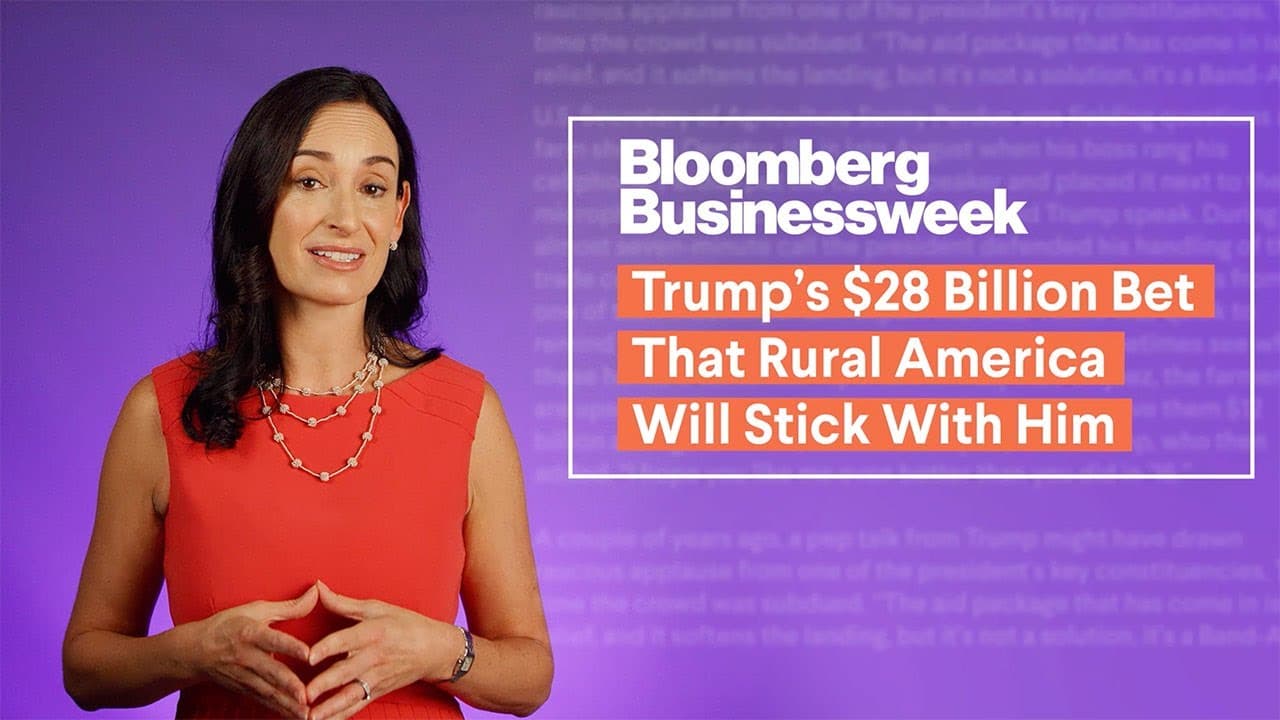
TL;DR
Consumers typically pay for tariffs as businesses pass the increased costs of imported goods onto them, leading to higher prices. Tariffs are used by governments to protect domestic industries and retaliate against unfair trade practices, but they can disrupt global markets and reduce demand. Ultimately, tariffs often result in economic shifts that disadvantage consumers.
Transcript
You’ve probably heard a lot about tariffs in the last couple of years. But what are they, really? And when countries impose them, who wins? And who loses? Tariffs are essentially a tax on anything imported. Businesses that buy foreign goods pay this tax to their national governments. For example, if the United States imposes a tariff on goods from ... Read More
Key Insights
- Tariffs are taxes on imported goods that increase costs for importing businesses, often passed onto consumers as higher prices.
- Governments use tariffs to protect domestic industries from foreign competition and to retaliate against unfair trade practices.
- Historically, tariffs fell out of favor as free trade was seen as beneficial, promoting growth, consumer choice, and innovation.
- Tariffs have resurged under President Trump, impacting trade with China, the EU, Mexico, and Canada, leading to economic repercussions.
- U.S. producers face higher costs due to tariffs, resulting in more expensive products, reduced sales, and job losses.
- Retaliatory tariffs from trade partners like China have decreased U.S. exports and shifted traditional trade patterns.
- U.S. government subsidies to farmers affected by tariffs exceed the revenue from tariffs, indicating a complex economic impact.
- Ultimately, consumers bear the cost of tariffs through higher prices and limited product availability.
Install to Summarize YouTube Videos and Get Transcripts
Explore YouTube Video Summarizer or Get YouTube Transcript Extractor
Questions & Answers
Q: What are tariffs and how do they affect consumers?
Tariffs are essentially taxes imposed on imported goods. When a country imposes tariffs, the businesses importing these goods must pay the tax, which often results in higher prices for consumers. Businesses may pass on the increased costs to consumers, making products more expensive or less available.
Q: Why do governments impose tariffs?
Governments impose tariffs to protect domestic industries from foreign competition and to retaliate against unfair trade practices by other countries. By making imported goods more expensive, tariffs can encourage consumers to buy domestically produced products, thus supporting local industries and employment.
Q: How have tariffs impacted U.S. trade under President Trump?
Under President Trump, tariffs have been used extensively, impacting trade with China, the European Union, Mexico, and Canada. These tariffs have led to increased costs for U.S. producers, higher consumer prices, reduced sales, and job losses. Additionally, retaliatory tariffs from trade partners have decreased U.S. exports.
Q: What are the economic consequences of tariffs on global trade?
Tariffs can lead to a slowdown in global trade and economic growth as they disrupt traditional trade patterns. Countries affected by tariffs may seek alternative trade partners, shifting global supply chains. This can result in reduced exports, increased costs for businesses, and economic instability in global markets.
Q: How do tariffs affect U.S. farmers specifically?
U.S. farmers have been significantly impacted by tariffs, particularly due to retaliatory measures from countries like China. These tariffs have led to reduced exports of agricultural products, such as soybeans, resulting in financial strain and an increase in farm bankruptcies. The U.S. government has provided subsidies to support affected farmers.
Q: What are the historical perspectives on tariffs and free trade?
Historically, tariffs fell out of favor as free trade was seen as beneficial, promoting economic growth, consumer choice, and innovation. Free trade agreements reduced tariffs globally, fostering international cooperation. However, recent shifts towards protectionism have brought tariffs back into prominence, challenging previous free trade paradigms.
Q: How do tariffs influence consumer behavior and choices?
Tariffs can lead to higher prices for imported goods, which may cause consumers to alter their purchasing habits. Faced with increased costs, consumers might opt for cheaper domestic alternatives or reduce overall consumption. This shift in consumer behavior can affect demand for certain products and influence market dynamics.
Q: What role do tariffs play in international relations?
Tariffs are a tool in international relations used to exert economic pressure and negotiate trade terms. They can be employed to address perceived unfair trade practices or protect national interests. However, tariffs can also escalate tensions, leading to trade wars and strained diplomatic relations between countries.
Summary & Key Takeaways
-
Tariffs are taxes on imports that can lead to higher consumer prices and economic shifts. Governments implement them to protect domestic industries or retaliate against unfair practices. Historically, free trade was favored, but tariffs have resurged under President Trump, impacting global trade and economies.
-
U.S. tariffs on China and other countries have led to increased costs for U.S. producers, higher consumer prices, and job losses. Retaliatory measures by trade partners have reduced U.S. exports and altered trade patterns, with significant economic repercussions and increased government subsidies to farmers.
-
While tariffs aim to counter unfair trade practices, they often result in higher costs for local businesses, reduced demand, and global market instability. Consumers ultimately pay the price through increased costs and limited product availability, highlighting the complex dynamics of international trade.
Read in Other Languages (beta)
Share This Summary 📚
Summarize YouTube Videos and Get Video Transcripts with 1-Click
Try YouTube Summary with ChatGPT & Claude or YouTube Transcript Generator
Explore More Summaries from Council on Foreign Relations 📚


Summarize YouTube Videos and Get Video Transcripts with 1-Click
Try YouTube Summary with ChatGPT & Claude or YouTube Transcript Generator