How to Address Climate Change with Global Solutions
TL;DR
Climate change requires comprehensive solutions across various sectors, including energy, food systems, and policy. Individuals can contribute by leveraging their unique talents and participating in community-led initiatives. The urgency is high, but hope exists in innovative solutions and collective action. By focusing on systemic change and personal contributions, we can address the climate crisis effectively.
Transcript
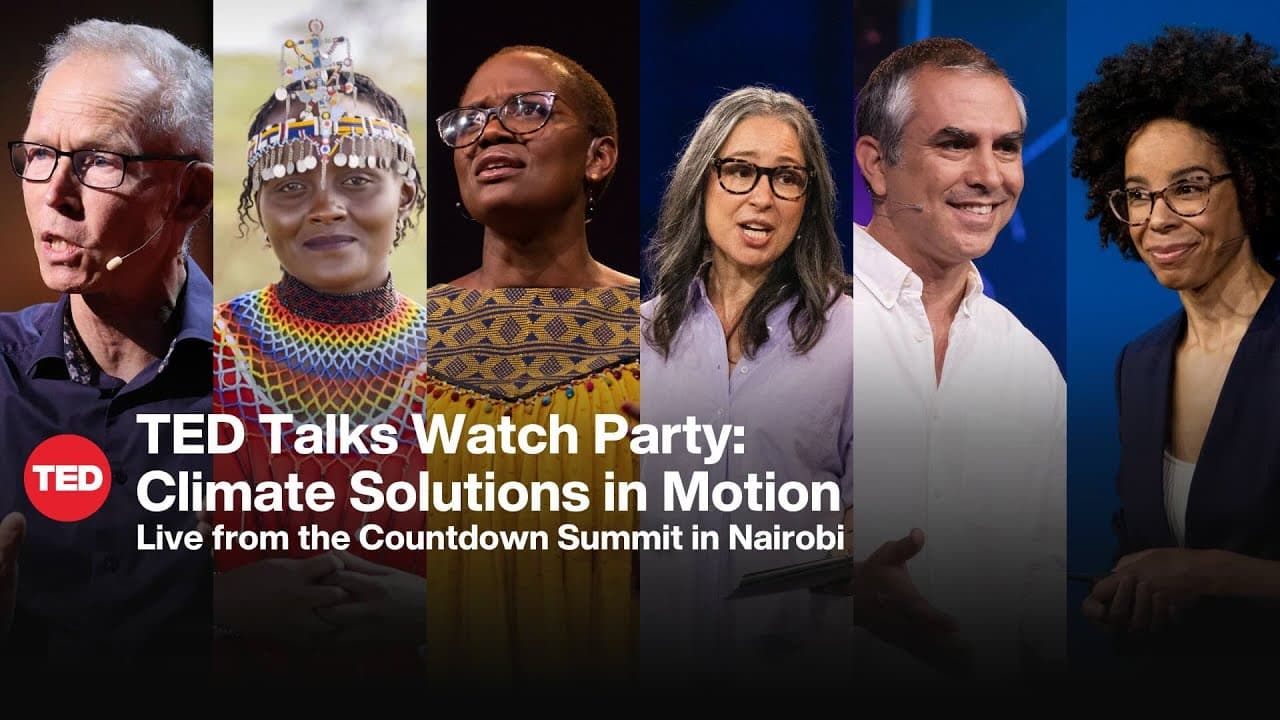
hello hello hello and welcome to another TED Talk watch party my name is Ike i'm the digital curator here at TED and we are so excited to share some amazing talks with you today and today's a special one we have a really special uh watch party today we have some special guests joining us from across the world which is really fun but as usual um I'd... Read More
Key Insights
- Climate change is driven by fossil fuels and agriculture, contributing significantly to global emissions.
- Agriculture and land use account for a large portion of emissions, making sustainable food systems crucial.
- Local and community-led solutions are effective in addressing climate challenges and fostering resilience.
- Technological innovations, such as solar-powered solutions, can provide sustainable energy and create jobs.
- Art and storytelling can inspire action by making climate issues personal and emotional.
- Reducing food waste is a simple yet impactful way to lower emissions and improve food security.
- Shifting diets towards plant-based options can significantly reduce greenhouse gas emissions.
- Empowering young people and supporting grassroots movements are vital for long-term climate action.
Install to Summarize YouTube Videos and Get Transcripts
Explore YouTube Video Summarizer or Get YouTube Transcript Extractor
Questions & Answers
Q: How does agriculture contribute to climate change?
Agriculture contributes to climate change through deforestation, methane emissions from livestock, and industrial farming practices. These activities release greenhouse gases, including carbon dioxide and methane, into the atmosphere, significantly impacting global warming. Sustainable farming practices and reducing meat consumption can help mitigate these effects and reduce emissions from agriculture.
Q: What role do local solutions play in addressing climate change?
Local solutions are crucial in addressing climate change as they are tailored to specific community needs and leverage local knowledge. These initiatives often involve grassroots movements and community-led projects, which can be more effective in fostering resilience and sustainability. Local solutions also empower communities to take ownership of climate action.
Q: How can technology help in the fight against climate change?
Technology can help combat climate change by providing renewable energy solutions, improving energy efficiency, and developing sustainable agricultural practices. Innovations like solar-powered refrigeration and IoT solutions support low-carbon development and create jobs. Technology also aids in monitoring environmental changes and optimizing resource use, contributing to more effective climate action.
Q: Why is reducing food waste important for climate action?
Reducing food waste is important because it decreases methane emissions from landfills and optimizes resource use. Food waste accounts for a significant portion of greenhouse gas emissions, and minimizing it can lower the carbon footprint of the food system. It also enhances food security by ensuring more efficient distribution and consumption.
Q: What impact does diet have on climate change?
Diet significantly impacts climate change as animal-based foods, especially beef, have a higher carbon footprint compared to plant-based foods. Shifting towards plant-rich diets can reduce greenhouse gas emissions and resource use. Encouraging dietary changes can lead to substantial environmental benefits and support global efforts to mitigate climate change.
Q: How can art and storytelling influence climate action?
Art and storytelling influence climate action by making issues relatable and emotional, breaking through indifference. They engage audiences on a personal level, inspiring empathy and motivating action. By highlighting the beauty and urgency of climate issues, art can galvanize public support and drive collective efforts towards sustainable solutions.
Q: What is the significance of empowering young people in climate action?
Empowering young people is significant because they bring fresh perspectives, innovation, and energy to climate action. Youth are often more aware of and concerned about climate issues, making them effective advocates for change. Supporting their involvement ensures long-term commitment to sustainability and helps build resilient communities prepared for future challenges.
Q: How can individuals contribute to climate change solutions?
Individuals can contribute to climate change solutions by leveraging their unique skills and passions, participating in local initiatives, and supporting policy changes. Reducing personal carbon footprints, advocating for sustainable practices, and educating others are also impactful. Collective individual actions can drive systemic change and support broader efforts to combat climate change.
Summary & Key Takeaways
-
Climate change is a complex issue requiring solutions across energy, food, and policy. Individuals can contribute by using their unique skills and supporting community initiatives. Urgency is high, but hope lies in innovative solutions and collective action. (50 words)
-
Agriculture and energy are major contributors to emissions. Sustainable food systems and renewable energy are key to addressing climate change. Local solutions and technological innovations can foster resilience and create jobs. (50 words)
-
Art and storytelling can inspire climate action by making issues personal. Reducing food waste and shifting to plant-based diets are effective ways to lower emissions. Empowering youth and grassroots movements is crucial for a sustainable future. (50 words)
Read in Other Languages (beta)
Share This Summary 📚
Summarize YouTube Videos and Get Video Transcripts with 1-Click
Try YouTube Summary with ChatGPT & Claude or YouTube Transcript Generator
Explore More Summaries from TED 📚






Summarize YouTube Videos and Get Video Transcripts with 1-Click
Try YouTube Summary with ChatGPT & Claude or YouTube Transcript Generator