Katrina Ferron: From Farm to Landfill: The Disturbing State of Food Waste
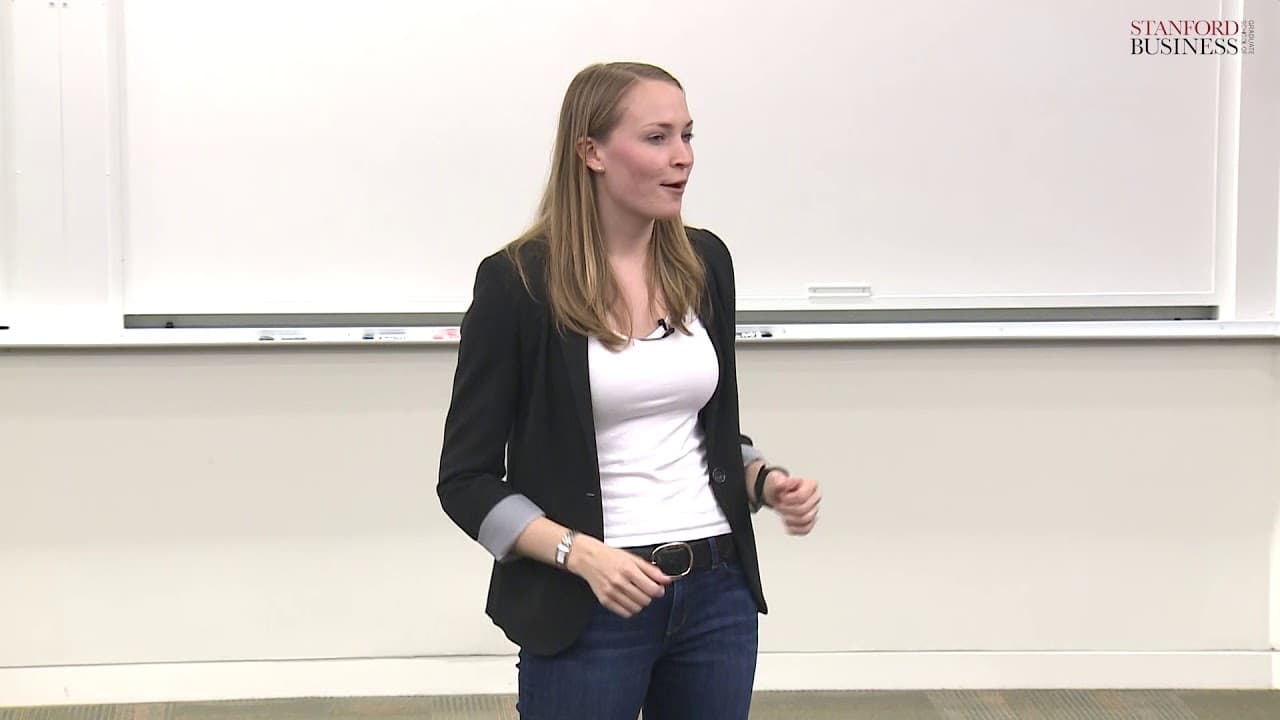
TL;DR
Food waste is a major issue, with $165 billion worth of edible food being thrown away in the US every year; this content aims to shed light on the sources of food waste and how individuals can make a difference.
Transcript
[MUSIC] I've realized I'm weird. I'm especially weird when it comes to food. This is a picture of my kitchen cabinet. It sort of looks like I'm hosting a gathering for chocolate fictional characters, I'm not.
[LAUGH] >> And no, I'm not super prepared for Easter. This bunny's been up here for almost a year. >> [LAUGH] >> What else makes me weird?... Read More
Key Insights
- 😋 Food waste is a significant issue, with billions of dollars worth of perfectly edible food being discarded each year.
- 😋 Food waste occurs at every stage of the food distribution system, from the fields to facilities and finally to restaurants and homes.
- ❓ Aesthetic preferences and portion sizes contribute to the problem, but individuals can make a difference by being mindful of their choices and participating in sharing initiatives.
Install to Summarize YouTube Videos and Get Transcripts
Explore YouTube Video Summarizer or Get YouTube Transcript Extractor
Questions & Answers
Q: Why is so much food wasted in the US?
Food waste in the US stems from various factors, including changing consumer demand, aesthetic preferences, and inefficient distribution systems resulting in storage surplus and spoilage.
Q: What are some solutions for reducing food waste?
Several start-ups, like imperfectproduce.com and OYO, offer solutions to rescue "ugly" vegetables and facilitate peer-to-peer sharing of unwanted food. Additionally, individuals can be more mindful of their portion sizes and consider sharing excess food with neighbors or friends.
Q: What can consumers do to minimize food waste at restaurants?
Consumers can take home leftovers or opt for smaller portion sizes. It is also important to avoid ordering excessive amounts of food that might go to waste.
Q: How can individuals address food waste in their homes?
Individuals can plan meals and shopping lists to minimize excess food purchase, be aware of expiration dates, and consider sharing or donating excess food to those in need rather than throwing it away.
Summary & Key Takeaways
-
Food waste is a pervasive problem that starts in the fields, where crops are left unharvested due to changing consumer demand.
-
In facilities where food is sorted, 20-50% of produce is discarded simply because of blemishes or misshapenness.
-
Food waste also occurs in restaurants and homes, with portion sizes, personal preferences, and lack of sharing contributing to the issue.
Read in Other Languages (beta)
Share This Summary 📚
Summarize YouTube Videos and Get Video Transcripts with 1-Click
Try YouTube Summary with ChatGPT & Claude or YouTube Transcript Generator
Explore More Summaries from Stanford Graduate School of Business 📚






Summarize YouTube Videos and Get Video Transcripts with 1-Click
Try YouTube Summary with ChatGPT & Claude or YouTube Transcript Generator