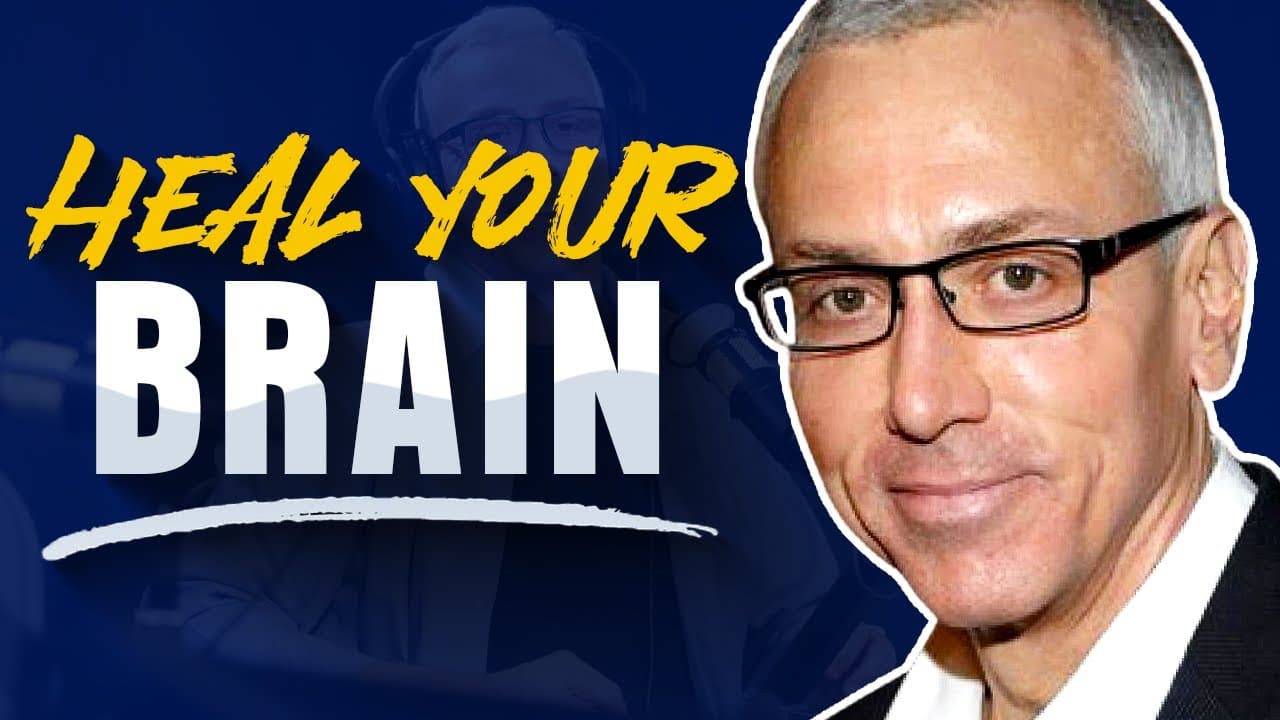
Is Narcissism an Addiction? Dr. Drew Breaks Down the Real Causes of Narcissism
TL;DR
Dr. Drew discusses narcissism, addiction, and healing strategies.
Transcript
I'm fascinated by The Human Condition and also human conditioning sobriety is so funny it's taking all the basic fundamental principles of Living Well living a certain kind of life that's meaningful and and regulated and helps the human feel fulfilled and just putting it in a little program what if your addiction though is a person or a relationshi... Read More
Key Insights
- Narcissism is often misunderstood; it stems from childhood injuries leading to feelings of emptiness and the need for external validation.
- Addiction can manifest in relationships, not just substances, often as a result of unresolved trauma.
- The distinction between dependency and addiction is crucial; dependency involves withdrawal symptoms, while addiction involves a motivational disturbance.
- Therapy should focus on healing rather than immediate relief; the right therapist can be challenging yet supportive.
- The brain and heart coherence can be achieved through practices like controlled breathing, impacting emotional regulation.
- Psychedelic treatments show promise for trauma but require more research to determine safety and efficacy.
- Cannabis can lead to dependency or addiction in some, with potential negative effects like psychosis or vomiting.
- Personal growth and curiosity can drive success but may also mask underlying emotional issues.
Install to Summarize YouTube Videos and Get Transcripts
Explore YouTube Video Summarizer or Get YouTube Transcript Extractor
Questions & Answers
Q: What is the core of narcissism according to Dr. Drew?
Dr. Drew describes narcissism as stemming from childhood injuries, leading to a feeling of emptiness and smallness. This results in a need to seek external validation to compensate for a fragile inner self, often misunderstood as mere self-preoccupation.
Q: How does Dr. Drew differentiate between dependency and addiction?
Dependency involves needing more of a substance to achieve the same effect and experiencing withdrawal without it. Addiction, however, is a motivational disturbance where the brain becomes preoccupied with obtaining the substance, often with a genetic component and progressive consequences.
Q: What role does therapy play in healing according to the discussion?
Therapy should focus on healing rather than immediate emotional relief. The right therapist can challenge patients to confront their issues, facilitating long-term healing rather than quick fixes. It's important to find a therapist who can handle trauma and is well-qualified.
Q: What is Dr. Drew's stance on cannabis use?
Dr. Drew is neutral on the legality but cautious about cannabis use. He acknowledges its medical benefits but warns about potential dependency, addiction, and side effects like psychosis or vomiting, especially with heavy use such as dabbing.
Q: How does Dr. Drew view the use of psychedelics in treatment?
Dr. Drew sees potential in psychedelics for treating trauma but stresses the need for more research to define safe usage parameters. He warns against the ethical implications of altering personality with chemicals without clear guidelines.
Q: What impact does childhood trauma have on adult relationships?
Childhood trauma often leads to recreating similar dynamics in adult relationships, driven by a subconscious need for mastery or familiarity. This can manifest as repeatedly entering harmful relationships or having difficulty with intimacy.
Q: What is the relationship between personal growth and happiness?
Dr. Drew suggests that while personal growth can drive success, it may also mask deeper emotional issues. True happiness involves fulfillment, interpersonal connections, and being true to oneself, beyond just achieving external goals.
Q: What is Dr. Drew's perspective on societal trends in behavior?
Dr. Drew links current societal behavior to a rise in narcissism and trauma, leading to mob mentality and scapegoating. He emphasizes the importance of empathy and understanding to counteract these trends and foster a more supportive society.
Summary & Key Takeaways
-
Dr. Drew explains that narcissism is rooted in childhood trauma, leading to a need for external validation to fill an inner emptiness.
-
Addiction is discussed as a disease with genetic and motivational components, affecting relationships and personal well-being.
-
Therapy and self-awareness are emphasized as critical tools for healing and achieving a fulfilling life, alongside physical health practices.
Read in Other Languages (beta)
Share This Summary 📚
Summarize YouTube Videos and Get Video Transcripts with 1-Click
Try YouTube Summary with ChatGPT & Claude or YouTube Transcript Generator
Explore More Summaries from Ed Mylett 📚



Summarize YouTube Videos and Get Video Transcripts with 1-Click
Try YouTube Summary with ChatGPT & Claude or YouTube Transcript Generator