How poaching is changing the face of African elephants
TL;DR
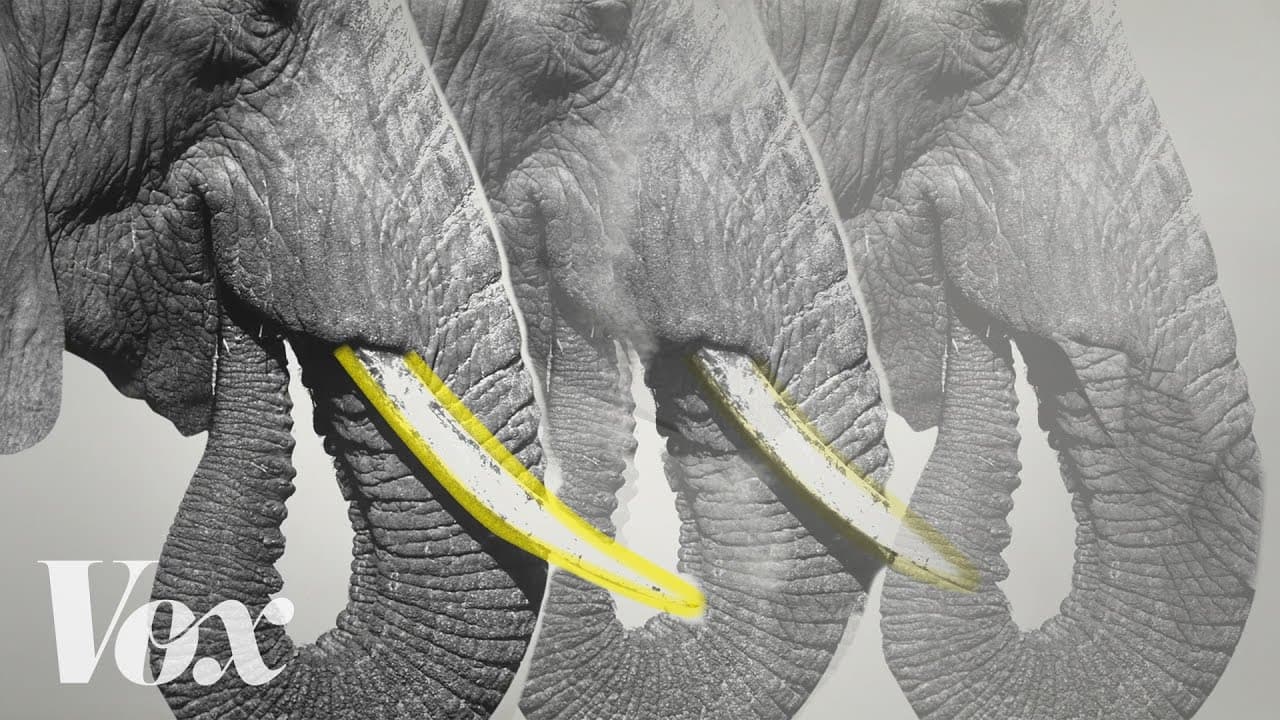
Poaching is increasing tusklessness among African elephants.
Transcript
Elephants are one of the most iconic creatures on this planet. They’re the largest land animals, the only surviving members of their order, and they’re highly intelligent, social beings. Reporter #1: "They're a lot like human babies, actually." Reporter #2: "These elephants in Thailand can even paint." Reporter #3: "It is the matriarch who guides t... Read More
Key Insights
- African elephants have existed for over a million years but are now facing significant threats due to human activities, especially poaching for ivory.
- In the 1500s, there were approximately 26 million elephants in Africa, but today there are less than 500,000 due to poaching and habitat loss.
- Despite a 1989 international ban on the ivory trade, demand for ivory, particularly in China, has led to a resurgence in poaching.
- Elephants' tusks, highly valued for ivory, cannot be removed without harming the animal, unlike rhino horns, which can be safely trimmed.
- A genetic trait for tusklessness, once rare, is becoming more common among elephants as those without tusks are less likely to be poached.
- In Gorongosa National Park, tusklessness has increased significantly among female elephants, demonstrating a rapid evolutionary response to poaching pressures.
- While tusklessness offers some protection from poaching, it does not address other threats such as habitat loss nor ensure the long-term survival of the species.
- Conservation efforts, including China's 2017 ban on domestic ivory sales, offer hope for elephant populations if combined with habitat protection and anti-poaching initiatives.
Install to Summarize YouTube Videos and Get Transcripts
Explore YouTube Video Summarizer or Get YouTube Transcript Extractor
Questions & Answers
Q: How has poaching affected the African elephant population?
Poaching has dramatically reduced the African elephant population from an estimated 26 million in the 1500s to less than 500,000 today. Despite a ban on the ivory trade, poaching remains a significant threat due to high demand for ivory, especially in markets like China. This has led to a rise in tuskless elephants as a survival adaptation.
Q: Why is tusklessness becoming more common among African elephants?
Tusklessness is becoming more common among African elephants because elephants without tusks are less likely to be targeted by poachers. This genetic trait, once rare, is being passed on more frequently as tuskless elephants have a higher survival rate in heavily poached populations. This evolutionary response highlights the impact of human activities on wildlife.
Q: What challenges do tuskless elephants face despite their survival advantage?
Despite their survival advantage against poaching, tuskless elephants face significant challenges. Tusks are important for digging for water, stripping bark from trees for food, and defending against predators. The loss of tusks can impact their ability to perform these essential tasks, affecting their overall survival and ecological role in their habitats.
Q: What conservation efforts are in place to protect African elephants?
Conservation efforts to protect African elephants include international bans on ivory trade, such as China's 2017 ban on domestic ivory sales, and initiatives by organizations like African Parks. These efforts focus on habitat protection, anti-poaching measures, and supporting local communities to reduce the incentive for poaching, aiming to ensure the species' long-term survival.
Q: How does the loss of matriarchs affect elephant herds?
The loss of matriarchs, the oldest and most experienced females, severely impacts elephant herds. Matriarchs hold vital knowledge of migration routes, water sources, and social structures. Their absence can lead to disorganization and vulnerability within the herd, as younger elephants rely on their guidance for survival and protection against threats.
Q: What role does ivory demand in China play in elephant poaching?
Ivory demand in China plays a significant role in elephant poaching. As China's middle class has grown, so has the demand for ivory, seen as a status symbol. This demand drives illegal poaching activities, as ivory is highly valued and can sell for around $1100 per kilogram, making it a lucrative market despite international bans.
Q: How has the international community responded to the elephant poaching crisis?
The international community has responded to the elephant poaching crisis with measures like the 1989 global ban on ivory trade and various national bans, including China's 2017 domestic ivory sales ban. Additionally, conservation organizations work to protect habitats and implement anti-poaching initiatives, although challenges remain in enforcement and reducing demand.
Q: What are the ecological implications of increasing tusklessness in elephants?
The ecological implications of increasing tusklessness in elephants include potential changes in ecosystem dynamics. Tusks are crucial for modifying habitats, such as creating water holes and clearing vegetation. The absence of tusks could alter these ecological processes, impacting other species that rely on elephants' environmental modifications for survival.
Summary & Key Takeaways
-
African elephants, once numbering in the millions, have seen drastic population declines due to poaching for ivory and habitat loss. Despite international bans, demand for ivory persists, particularly in China, exacerbating the crisis.
-
The rise in poaching has led to an increase in tuskless elephants, a genetic trait that provides some protection from poachers but poses challenges for the species' long-term survival and ecological role.
-
Conservation efforts, including China's ban on ivory sales and initiatives by organizations like African Parks, are crucial in protecting elephants and ensuring their future on the African continent.
Read in Other Languages (beta)
Share This Summary 📚
Summarize YouTube Videos and Get Video Transcripts with 1-Click
Try YouTube Summary with ChatGPT & Claude or YouTube Transcript Generator
Explore More Summaries from Vox 📚



Summarize YouTube Videos and Get Video Transcripts with 1-Click
Try YouTube Summary with ChatGPT & Claude or YouTube Transcript Generator