Choosing The Right Aspect Ratio For Your Film
TL;DR
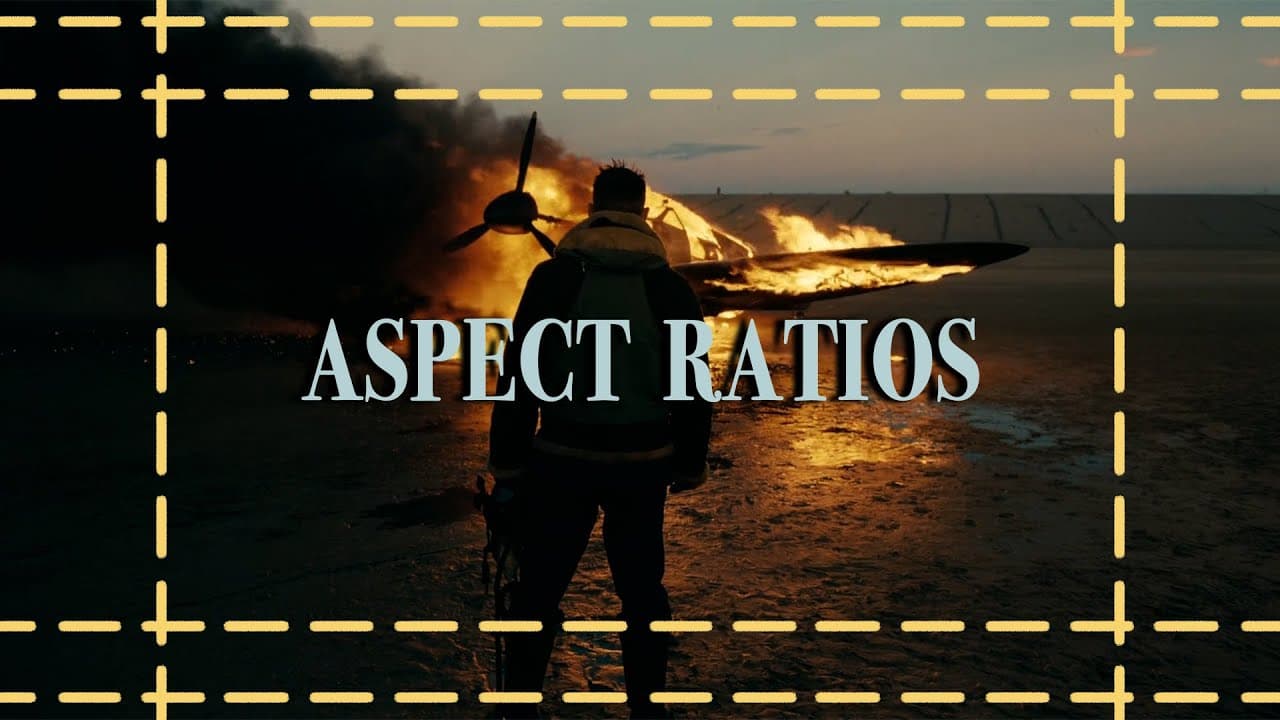
This video explores popular aspect ratios used in cinema and how different ratios can affect the overall footage and storytelling.
Transcript
This video is sponsored by Squarespace, the all-in-one platform to build a beautiful website for your business. Although we’ve become accustomed to watching online video content, like this video, in a 16:9 format, films can actually be shot and presented in all kinds of different shapes and sizes: or aspect ratios. These rectangular form ... Read More
Key Insights
- 🎥 Different aspect ratios in film can create different visual experiences and can be used to mimic the human eye's point of view.
- 🎬 The historical ties of certain aspect ratios can evoke a specific time period or genre, creating a sense of realism or nostalgia.
- 📱 Aspect ratios can be chosen to represent specific recording devices, such as smartphones or documentary cameras.
- 🎞️ Some filmmakers use different aspect ratios within the same movie to differentiate between timelines or create visual distinctions.
- 🌆 Wider aspect ratios like 2.40 or 2.76 are popular in capturing expansive landscapes and grand sets, while narrower ratios can create a sense of containment or subjectivity.
- 🖼️ The width of an aspect ratio can affect how much information is layered within a shot or how a location's geography is presented.
- 👁️ The choice of aspect ratio can influence the emotions and perceptions that audiences ascribe to the image.
- 💡 Ultimately, the choice of aspect ratio should be a deliberate and considered decision that serves the storytelling and artistic vision of the film.
Install to Summarize YouTube Videos and Get Transcripts
Explore YouTube Video Summarizer or Get YouTube Transcript Extractor
Questions & Answers
Q: What factors can influence a filmmaker's choice of aspect ratio?
Filmmakers can consider historical ties, recording devices, and the desired emotional impact to choose an aspect ratio that best suits their storytelling and visual goals. For example, narrow ratios like 1.33:1 can be used to create a sense of historical context, while wide ratios like 2.40:1 are suitable for capturing vast landscapes and epic sets.
Q: How can aspect ratios contribute to the storytelling in a film?
Aspect ratios can contribute to the storytelling in several ways. They can evoke a specific time period or genre by using aspect ratios historically associated with that period or genre. They can also enhance the visual experience by allowing for layered compositions and contextualizing the geography of a location. Additionally, aspect ratios can evoke certain emotions in the audience by creating a sense of containment or expansiveness in the frame.
Q: Can different aspect ratios be used within the same film?
Yes, filmmakers can use different aspect ratios within the same film to differentiate between timelines or to convey different recording perspectives. For example, "The Grand Budapest Hotel" used different ratios for scenes set in different time periods. This can add visual variety and enhance the storytelling by visually distinguishing different parts of the narrative.
Q: How does a wider aspect ratio affect the composition of a shot?
Wider aspect ratios, such as 2.40:1, allow for more lateral space in the frame. This means filmmakers can include multiple planes in the shot, featuring foreground, middleground, and background elements. It also allows for better contextualization of the location's geography and is often used to capture large-scale set pieces and expansive landscapes in epic films.
Summary & Key Takeaways
-
Aspect ratios in filmmaking can be chosen based on historical ties, recording devices, and emotional impact.
-
Narrow aspect ratios, such as 1.33:1, can create a sense of realism and historical context.
-
Wide aspect ratios, like 2.40:1, are better for capturing expansive landscapes and epic sets.
Read in Other Languages (beta)
Share This Summary 📚
Summarize YouTube Videos and Get Video Transcripts with 1-Click
Try YouTube Summary with ChatGPT & Claude or YouTube Transcript Generator
Explore More Summaries from In Depth Cine 📚
Summarize YouTube Videos and Get Video Transcripts with 1-Click
Try YouTube Summary with ChatGPT & Claude or YouTube Transcript Generator