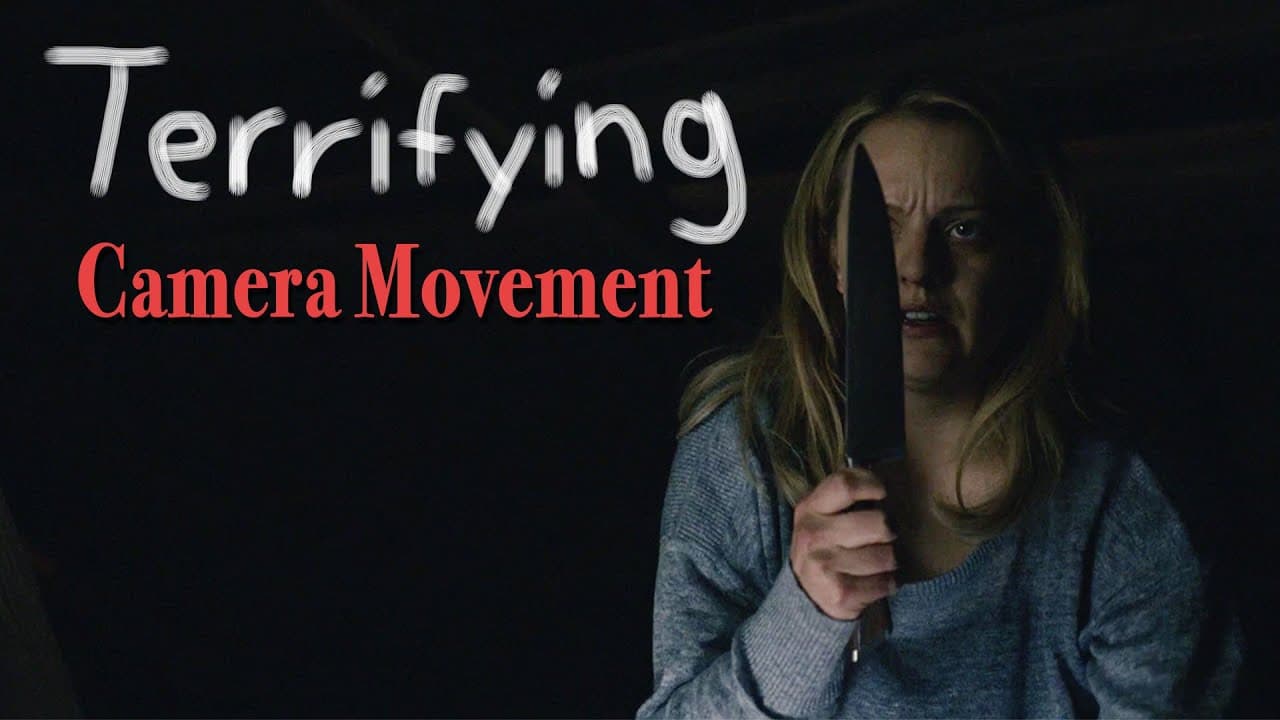
How Camera Movement Makes Horror Terrifying
TL;DR
Filmmakers leverage our psychology to induce terror by using camera movement and framing techniques in horror films.
Transcript
There’s a slow, creeping, build up of tension deep in your body. You know what you’re seeing isn’t real but the overwhelming terror becomes so strong that you can’t help but to look away, turn off the sound, or even walk out of the cinema. Everyone who has seen a horror movie knows this feeling. So how exactly are filmmakers able to leverage our ow... Read More
Key Insights
- 🎥 Filmmakers leverage our psychology to induce deep terror by using camera movement and framing techniques in horror movies.
- 🎞️ Horror films are a cinematic dance between cinematography and editing, with both elements needing to align perfectly to create terrifying visuals.
- 🎭 The structure of horror films can be broken down into three parts: down time, build up, and scare, with the build up being the most terrifying.
- 🔍 To create a terrifying effect, filmmakers use techniques like POV push-ins to mimic the feeling of someone moving closer and slow camera movements to introduce vulnerability and tension.
- ❓ What we can't see is more terrifying than what we can, and utilizing off-screen sound design and blocking can build tension.
- 👥 Some horror films use rapid, handheld camera work during quick scares, but smooth movement is more reliable for gradually ramping up tension.
- 🎭 Invisibility can create an additional layer of fear, with filmmakers using motion control to create realistic fight scenes with invisible foes.
- 🔒 Creating high levels of visual tension in horror films requires a combination of lighting, performance, VFX, makeup, production design, music, and editing.
Install to Summarize YouTube Videos and Get Transcripts
Explore YouTube Video Summarizer or Get YouTube Transcript Extractor
Questions & Answers
Q: How does the structure of horror films contribute to their effectiveness in creating terror?
The structure of horror films, with its cycle of downtime, build-up, and scares, allows for pacing and ensures that the scary moments have a stronger impact.
Q: Why do slow camera movements and empty space create a sense of vulnerability in horror films?
Slow camera movements and empty space in horror films introduce the possibility of an attack coming from any direction, heightening the feeling of vulnerability and fear.
Q: How does off-screen sound design contribute to the build-up of tension in horror films?
Off-screen sound design, coupled with the character's reaction, creates a sense of fear and anticipation as the audience is unable to see what is being reacted to, increasing tension and suspense.
Q: What role does camera movement play in creating realistic fight scenes with an invisible threat in horror films?
Camera movement, including the use of motion control rigs, allows filmmakers to shoot scenes with invisible threats and create realistic fight sequences by replicating precise camera movements and seamlessly replacing the background.
Q: What other elements besides camera movement are important in creating visual tension in horror films?
Lighting, performance, VFX, makeup, production design, music, and editing are all crucial elements that work together to build a high level of visual tension and manipulate the audience's emotions in horror films.
Summary & Key Takeaways
-
Horror films rely on the combination of cinematography and editing to create terrifying visuals.
-
The structure of horror films typically includes downtime, build-up, and scares, with the build-up being the most terrifying.
-
Cinematic techniques such as POV push-ins, empty space, and off-screen sound design are used to gradually increase tension and create a sense of vulnerability.
Read in Other Languages (beta)
Share This Summary 📚
Summarize YouTube Videos and Get Video Transcripts with 1-Click
Try YouTube Summary with ChatGPT & Claude or YouTube Transcript Generator
Explore More Summaries from In Depth Cine 📚
Summarize YouTube Videos and Get Video Transcripts with 1-Click
Try YouTube Summary with ChatGPT & Claude or YouTube Transcript Generator