Can Tariffs Boost Economic Growth Today?
TL;DR
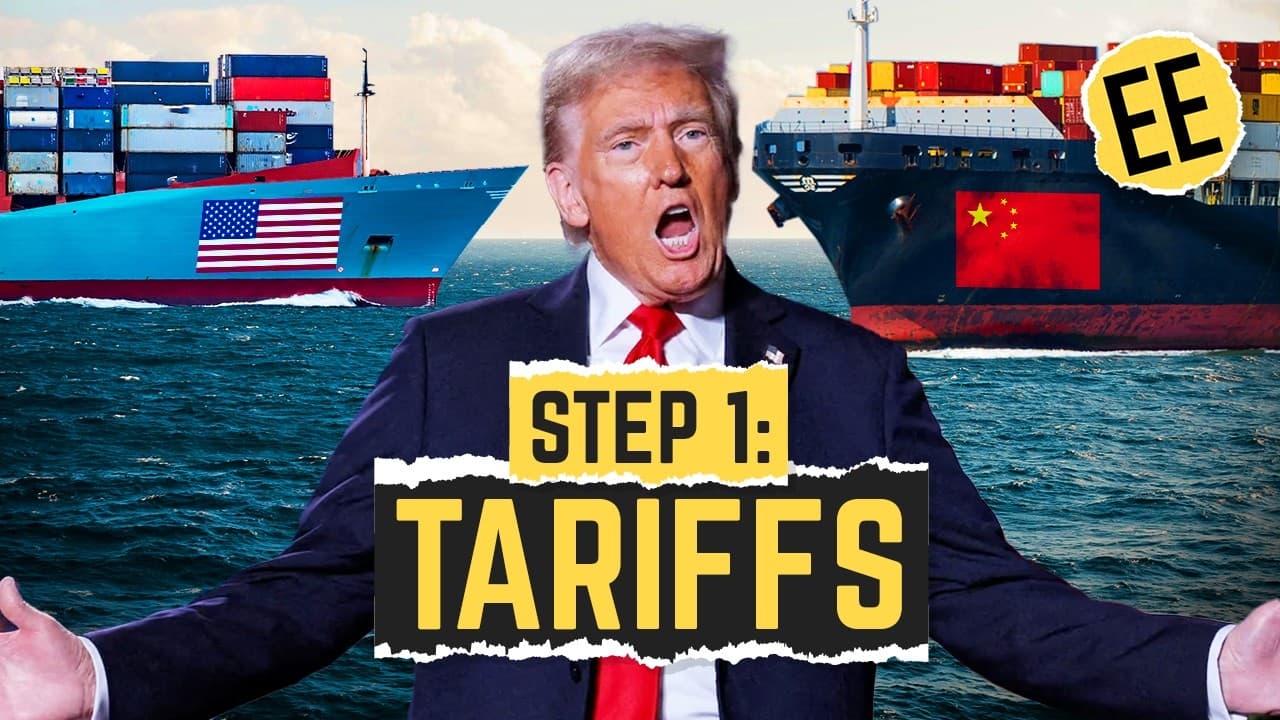
Tariffs are taxes on imported goods aimed at protecting domestic industries and generating government revenue. While they can boost industrial growth and employment, they often result in higher consumer prices and retaliatory measures from other countries. The effectiveness of tariffs varies based on market conditions and strategic needs, making nuanced application crucial.
Transcript
Tariffs have returned to the forefront of economic debate since Donald Trump won the US election and began using them both as a negotiating threat and a tool to fix a long list of identified economic problems. His policy of economic nationalism is nostalgically inspired by the 19th century when Tariffs were THE defining trade policy of the United S... Read More
Key Insights
- Tariffs are taxes on imported goods that make them more expensive, encouraging domestic production.
- Historically, the U.S. used tariffs to protect its industries, but this approach is less effective in today's globalized economy.
- Tariffs can lead to higher consumer prices as businesses pass on the costs to consumers.
- Retaliatory tariffs from other countries can negate the benefits by harming domestic exports.
- The 2018 U.S. tariffs on washing machines increased consumer prices more than the tariff itself.
- Tariffs can create jobs, but often at a high cost per job, making them an inefficient employment strategy.
- Tariffs can harm industries reliant on imported materials by increasing their input costs.
- Strategically, tariffs may be necessary to reduce reliance on foreign production for critical goods.
Install to Summarize YouTube Videos and Get Transcripts
Explore YouTube Video Summarizer or Get YouTube Transcript Extractor
Questions & Answers
Q: How do tariffs impact consumer prices?
Tariffs increase the cost of imported goods, which businesses often pass on to consumers through higher prices. This can lead to a significant rise in the cost of goods, as seen with the 2018 tariffs on washing machines, where consumer prices increased more than the tariff itself, affecting both imported and domestic products.
Q: Why might a country impose tariffs despite potential drawbacks?
Countries may impose tariffs to protect domestic industries, create jobs, and reduce reliance on foreign production for critical goods. Strategically, tariffs can safeguard national security by ensuring local production capabilities, even if this results in higher consumer prices and retaliatory measures from trade partners.
Q: What are the long-term effects of tariffs on domestic industries?
In the long term, tariffs can encourage domestic investment and industrial growth by making local production more competitive. However, they can also lead to complacency and reduced innovation if not paired with measures to ensure domestic competition. The effectiveness depends on strategic application and market conditions.
Q: How do retaliatory tariffs affect the economy?
Retaliatory tariffs imposed by other countries can harm domestic exports by making them more expensive and less competitive in foreign markets. This can reduce revenue for domestic producers and necessitate government intervention to support affected industries, often negating the initial benefits of the tariffs.
Q: What is the historical significance of tariffs in the U.S. economy?
Historically, tariffs were a key component of U.S. economic policy, used to protect nascent industries and generate government revenue. In the 19th century, they helped foster industrial growth and reduced reliance on imports. However, the global economy has since evolved, making this approach less applicable today.
Q: Can tariffs effectively create jobs in modern economies?
While tariffs can create jobs by protecting domestic industries, the cost per job is often high, making them an inefficient employment strategy. For example, the 2018 washing machine tariffs resulted in significant consumer costs per job created, suggesting that alternative measures might be more cost-effective for job creation.
Q: What role do tariffs play in national security?
Tariffs can play a crucial role in national security by reducing dependency on foreign production for strategically important goods. This ensures that a country can maintain critical production capabilities in times of geopolitical tension or conflict, safeguarding its economic and defense interests.
Q: Why are tariffs considered a form of protectionism?
Tariffs are considered protectionist because they aim to shield domestic industries from foreign competition by making imported goods more expensive. This encourages local production and investment but can also lead to trade tensions and higher consumer prices, requiring careful and strategic application.
Summary & Key Takeaways
-
Tariffs are a form of tax on imports designed to protect domestic industries by making foreign goods more expensive. While they can stimulate local production and create jobs, they often result in higher consumer prices and retaliatory measures from other countries, complicating their effectiveness.
-
The U.S. has historically used tariffs to support industrial growth, but modern global supply chains make this strategy less effective. Recent tariffs, like those on washing machines, have shown that costs are often passed to consumers, resulting in higher prices without significant economic benefits.
-
Tariffs can be strategically important for protecting critical industries and reducing foreign dependence. However, their application must be nuanced and targeted to avoid economic drawbacks, such as increased costs for consumers and negative impacts on industries using imported materials.
Read in Other Languages (beta)
Share This Summary 📚
Summarize YouTube Videos and Get Video Transcripts with 1-Click
Try YouTube Summary with ChatGPT & Claude or YouTube Transcript Generator
Explore More Summaries from Economics Explained 📚




Summarize YouTube Videos and Get Video Transcripts with 1-Click
Try YouTube Summary with ChatGPT & Claude or YouTube Transcript Generator