What Are the Most Commonly Counterfeited Foods?
TL;DR
Counterfeit foods like maple syrup, truffle oil, and Wagyu beef are rampant, driven by high profits and low regulation. These fake products can pose significant health risks, while misleading labels make it difficult for consumers to identify authentic items. Understanding how to detect real from fake can help you make safer choices at the grocery store.
Transcript
it takes over 40 gallons of sap to make just one jug of real maple syrup that's why one of these bottles can cost ten dollars and grocery stores are flooded with imitation syrups that don't have any maple sap at all in fact tons of expensive Foods we love eating might not be the real thing including Wasabi vanilla and truffle oil the main reason wh... Read More
Key Insights
- 🍴 Counterfeit foods are widespread, driven by profit, and can be both legal (with disclosure) and illegal (with criminal rings behind them), making the fraudulent food industry worth billions of dollars.
- 🍄 Truffles, known for their rarity and high prices, are often counterfeited with the use of synthetic truffle oil, making it difficult to find genuine truffle products.
- 🌳 Maple syrup is tricky to navigate, as many products labeled as 100% maple syrup are actually fake and made of a mix of corn syrup and flavorings. Authentic maple syrup is tapped from trees and has a distinct flavor.
- 💣 Wasabi is widely faked, with only a small percentage of American and Japanese wasabi being real. Many imitation versions use horseradish, sweeteners, and food starch to imitate the taste and texture of real wasabi.
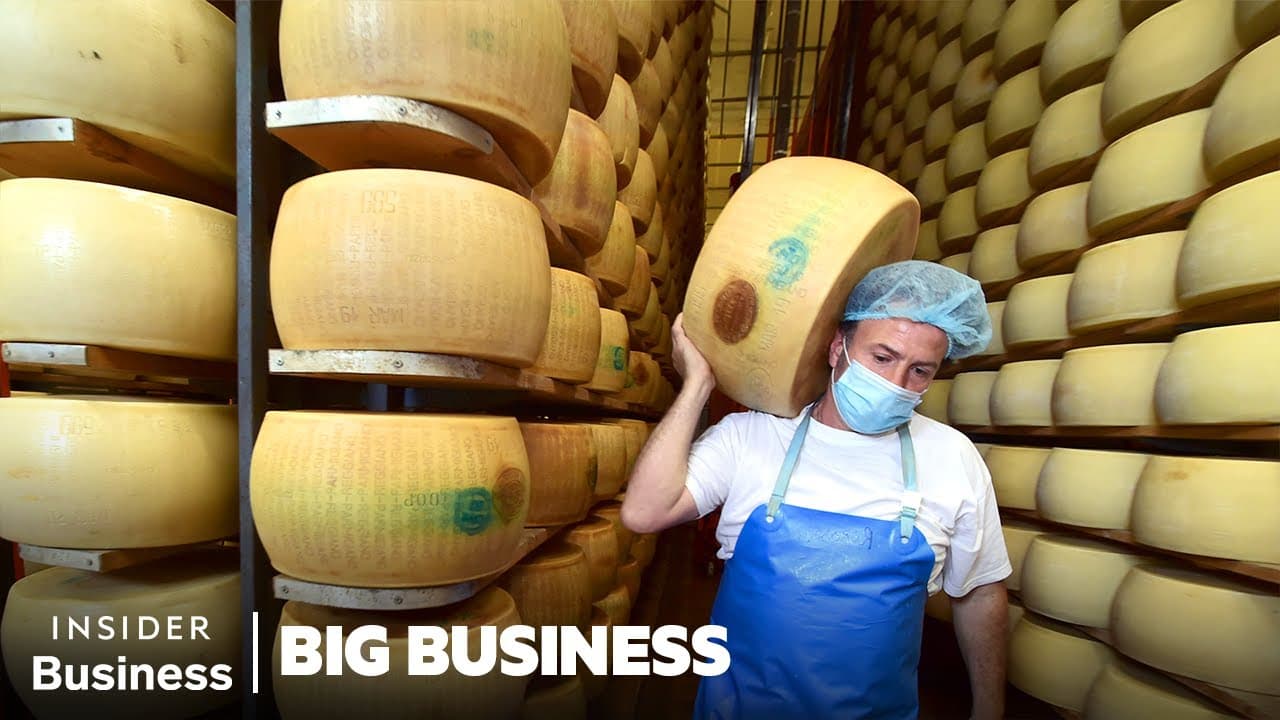
- 🧀 Parmesan cheese is often a victim of confusing labeling, with many products labeled as "Parmesan" not following the strict regulations for authentic Parmigiano-Reggiano cheese. Fillers like rice flour or cellulose are often used, without clearly indicating the percentage.
- 🌿 Vanilla products are commonly imitated, with lab-made vanillin being used instead of real vanilla extracted from orchids. The fake versions can be potentially dangerous, with some products even containing toxic substances.
- 🐟 Caviar, particularly the expensive beluga caviar, is frequently counterfeited due to the difficulty in harvesting it. Fake caviar is often made from the eggs of cheaper fish or falsely labeled as a higher-grade import.
- ☕ Coffee is also susceptible to fraud, with cheaper beans being marketed and sold as more expensive ones or replaced with other substances altogether like acorns, barley, or wheat. The complex supply chain of coffee makes it challenging to trace the authenticity of the product.
- 🍯 Honey, especially with the global market, is often adulterated or completely fake. Counterfeit honey is made using inexpensive syrups like high fructose corn syrup, rice, cane, or beet, resulting in a product that does not contain real honey.
- 🥔 Olive oil is frequently counterfeit, with cheaper oils being sold as higher-quality extra virgin olive oil. The lack of proper labeling regulations and the complexity of the supply chain make it difficult to ensure the authenticity of olive oil products.
- 🥩 Wagyu beef is a commonly counterfeited product, with many restaurants falsely labeling their beef as wagyu when it does not meet the Japanese standards. The labeling and enforcement of wagyu beef vary between countries, making it challenging for consumers to identify the real thing.
- 🌸 Saffron, the most expensive spice, is widely tainted with cheaper products. Fake saffron can be made from substitutes like acorns, coconut filaments, or roots, while genuine saffron has a distinctive color and slowly releases a yellow color when submerged in liquid.
- 🌍 Food fraud poses economic fraud, health risks, and threatens genuine producers and industries. However, tackling food fraud requires stricter laws, penalties, enforcement, consumer awareness, and responsible sourcing to ensure the authenticity and safety of food products.
Install to Summarize YouTube Videos and Get Transcripts
Explore YouTube Video Summarizer or Get YouTube Transcript Extractor
Questions & Answers
Q: How do fraudsters get away with selling fake truffle oil and truffles?
Fraudsters can easily swap out real truffles for cheaper ones without getting caught, and truffle oil is often made with synthetic compounds and labeled as truffle-flavored.
Q: How can consumers identify real maple syrup from fake ones?
Real maple syrup is made from sap and is labeled as 100% or pure maple syrup, while fake maple syrup often contains corn syrup, caramel color, and added flavorings.
Q: What are the differences between real Wasabi and the fake versions?
Real Wasabi has a gritty texture, is related to vegetables like horseradish, and has a more subtle spicy kick compared to the smooth, horseradish-based, imitation versions.
Q: How can consumers ensure they are purchasing authentic Parmesan cheese?
Consumers should look for the Parmigiano-Reggiano name spelled out in dots on the cheese, a protected designation of origin (DOP) label, and avoid grated cheese that may contain fillers like rice flour or cellulose.
Q: What are the dangers of consuming fake honey?
Fake honey may contain drugs banned in certain countries and can hamper the honey industry by selling at implausibly low prices, potentially putting beekeepers out of business.
Q: Why is it challenging to catch counterfeit food producers?
Counterfeit food producers often operate like organized companies, with supply chains spanning multiple countries. Inspections by regulatory bodies are limited, leading to a low chance of being caught.
Q: How can consumers be more cautious and avoid counterfeit food products?
Consumers should purchase from reputable sources, verify the origin and authenticity of the product, check certifications, and be wary of prices that seem too good to be true.
Q: What are some potential solutions to combat the counterfeit food industry?
Stricter penalties for food fraud, the use of blockchain technology to track supply chains, and consumer education about identifying real versus fake products could help mitigate the issue.
Summary & Key Takeaways
-
Counterfeit foods, worth billions of dollars globally, have infiltrated grocery stores, restaurants, and kitchens worldwide.
-
Truffle oil is often made with synthetic compounds and lacks any actual truffle, while real truffles are rare and expensive.
-
Fake maple syrup, often made with corn syrup, caramel color, and flavorings, is labeled as 100% maple syrup, deceiving consumers.
-
Wasabi is frequently substituted with horseradish, with only a small percentage of American and Japanese Wasabi being genuine.
-
Parmesan cheese is often mixed with fillers, such as wood pulp, and labeled as 100% Parmesan, undermining the authentic industry.
-
Vanilla products often contain lab-made vanillin, derived from petroleum, while the real product is made from hand-pollinated orchids.
-
Fraudulent caviar, honey, olive oil, coffee, saffron, and Wagyu beef are also common in the market.
Read in Other Languages (beta)
Share This Summary 📚
Summarize YouTube Videos and Get Video Transcripts with 1-Click
Try YouTube Summary with ChatGPT & Claude or YouTube Transcript Generator
Explore More Summaries from Business Insider 📚


Summarize YouTube Videos and Get Video Transcripts with 1-Click
Try YouTube Summary with ChatGPT & Claude or YouTube Transcript Generator