How Did Wagashi Become Japan's National Sweet?
TL;DR
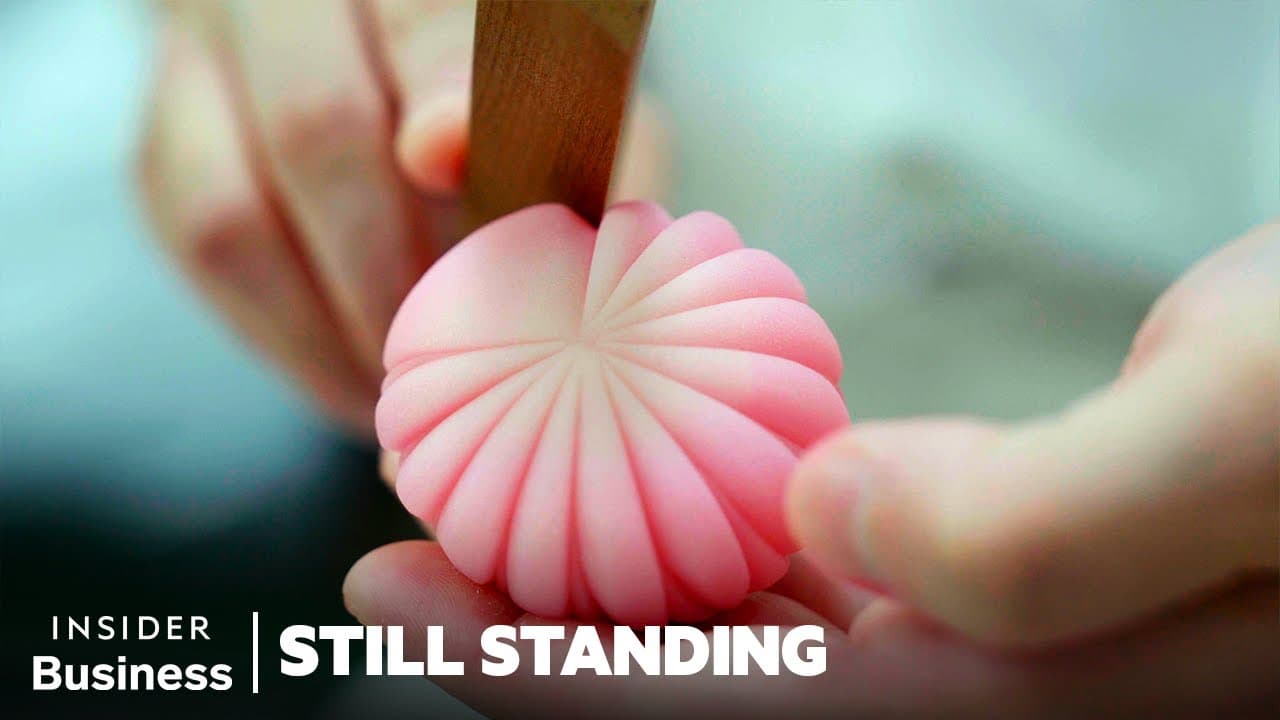
Wagashi, traditional Japanese sweets, evolved from a luxury enjoyed only by the wealthy to a national delicacy. Made from simple ingredients like rice flour and beans, these intricate confections reflect seasonal themes and cultural symbols, showcasing a centuries-old artistry that persists in modern Japanese cuisine.
Transcript
for over 400 years one family in Japan has been shaping rice flour beans and sugar into tiny edible sculptures these sweets are called wagashi and making them is a precise and delicate art confectioners have to be quick and their hands have to stay at just the right temperature or the dough is ruined I don't know is the 17th generation owner of his... Read More
Key Insights
- 🍡 Wagashi, traditional Japanese sweets made from rice flour, beans, and sugar, require precise and delicate artistry to create.
- 🌸 There are three main varieties of wagashi: namagashi, a soft and moist confectionery; hanamagashi, which ranges from gooey to dry; and higashi, a dry sweet that has a longer shelf life.
- 🌎 Wagashi's uniqueness lies in its connection to Japanese culture and seasons. Shapes and designs are influenced by national symbols like chrysanthemums and commemorate changing seasons.
- 🍛 Western confectionery arrived in Japan during the late 19th century, leading to the use of "wagashi" as a term to differentiate between traditional Japanese sweets and foreign desserts.
- 📜 Kameham, a confectionery shop in Kyoto, has a long history dating back to 1617 and was chosen to cater to the Royal Family. They continue to preserve traditional recipes and styles while incorporating new ideas.
- 🍵 Wagashi became popular due to its sweetness and its association with tea ceremonies, which evolved into social gatherings symbolizing harmony and respect.
- 🔧 The art of wagashi-making requires quick and precise movements. If the confectioners work too fast, the design may look sloppy, and if too slow, the sweets absorb body heat and won't turn out well.
- 💼 Securing workers to carry on the tradition of wagashi-making is a challenge, but Kameham's owner, Foreign Keiko, is determined to pass on the art form to the younger generation and preserve its history.
Install to Summarize YouTube Videos and Get Transcripts
Explore YouTube Video Summarizer or Get YouTube Transcript Extractor
Questions & Answers
Q: How long has this family been making wagashi?
This family has been making wagashi for over 400 years, since 1617.
Q: What are the main varieties of wagashi?
The main varieties of wagashi are namagashi (soft and moist), omabashi (ranging from gooey to dry), and higashi (dry and long-lasting).
Q: How were wagashi introduced to Japan?
Japanese envoys brought wagashi-like sweets from China around the 7th century.
Q: How did wagashi become associated with tea ceremonies?
Foreign Buddhist monks introduced tea ceremonies in Japan, and the sweetness of wagashi made it the perfect dessert to serve in these ceremonies.
Q: How does kamehame maintain its place in history while facing competition?
Despite competition from specialty shops, department stores, and street vendors, kamehame never cuts corners in terms of materials and production methods.
Q: What motivates kiowaki to keep the tradition of wagashi alive?
Kiowaki's past and the 300-year-old book documenting kamehame's place in history motivate him to continue the tradition and look towards the future.
Summary & Key Takeaways
-
Wagashi is a type of traditional Japanese sweet that has been made by one family in Kyoto for over 400 years.
-
The confectioners must be quick and maintain the right temperature to create these delicate treats.
-
Wagashi come in various shapes and styles, are made from simple ingredients like rice flour and beans, and are influenced by each region's unique history and geography.
Read in Other Languages (beta)
Share This Summary 📚
Summarize YouTube Videos and Get Video Transcripts with 1-Click
Try YouTube Summary with ChatGPT & Claude or YouTube Transcript Generator
Explore More Summaries from Business Insider 📚






Summarize YouTube Videos and Get Video Transcripts with 1-Click
Try YouTube Summary with ChatGPT & Claude or YouTube Transcript Generator