How to Prevent Breast Cancer: Insights from CSHL
TL;DR
Preventing breast cancer involves understanding genetic and environmental risk factors, with a focus on early screening and lifestyle choices. Research at Cold Spring Harbor Laboratory explores how pregnancy and immune responses can reduce cancer risk, offering hope for future preventive strategies. Self-examination and proactive health discussions are crucial for early detection.
Transcript
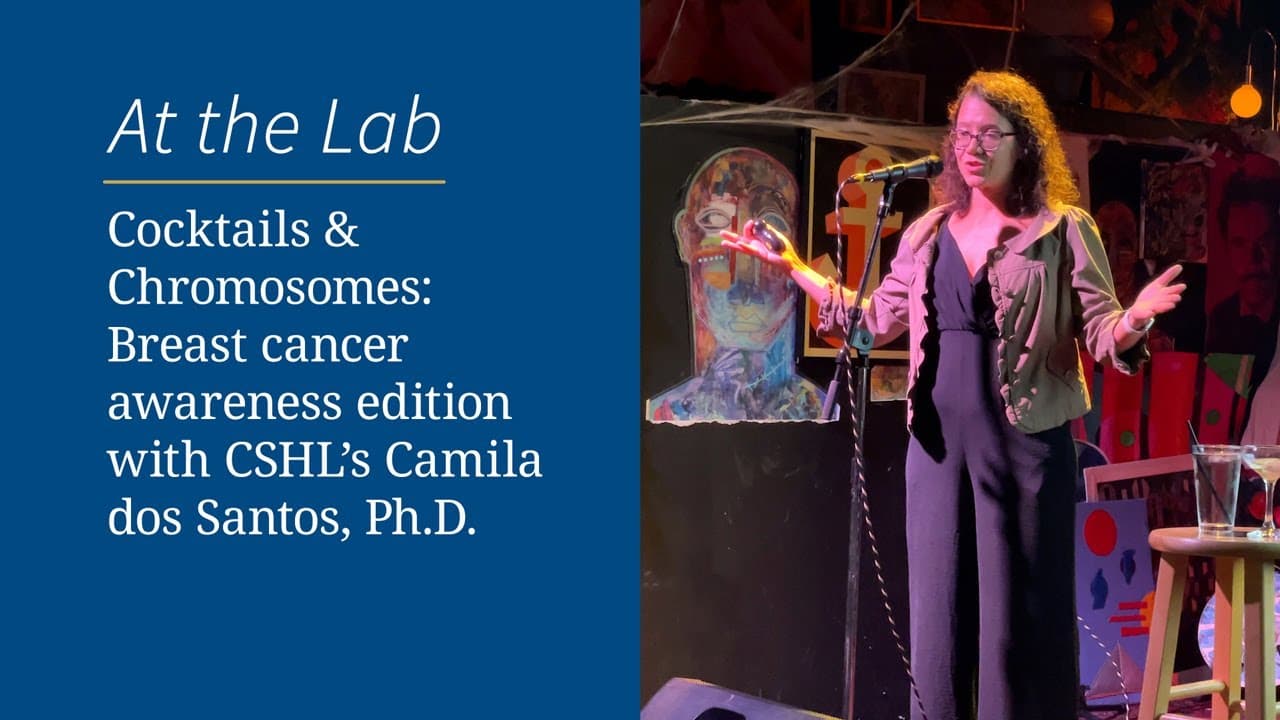
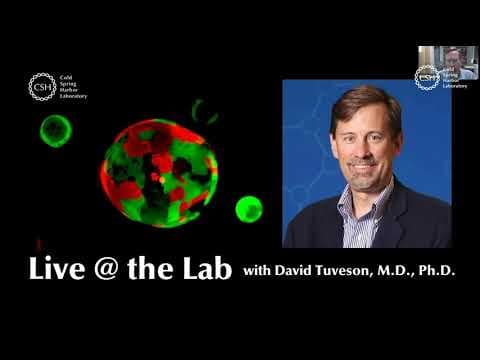
[music] [cheering, applause] Thank you, guys, for the invitation. Thank you, everybody, for coming. This is supposed to be a very interactive conversation about what we do in the lab. We are very interested in a very specific aspect of breast cancer, which is prevention. We understand that there's a lot of amazing scientific groups that are focusin... Read More
Key Insights
- Breast cancer prevention focuses on understanding both genetic and lifestyle risk factors.
- Pregnancy before age 25 can reduce breast cancer risk by 30-40%.
- Breast tissue changes significantly during pregnancy and lactation, impacting cancer risk.
- BRCA1 gene mutations increase breast cancer risk but not all carriers develop cancer.
- Research uses animal models and donated human tissues to study breast cancer development.
- Senescence in cells post-pregnancy may prevent cancer by halting cell growth.
- Immune cells play a crucial role in preventing breast cancer, offering potential for vaccine development.
- Early detection through self-examination and screening is vital for reducing breast cancer mortality.
Install to Summarize YouTube Videos and Get Transcripts
Explore YouTube Video Summarizer or Get YouTube Transcript Extractor
Questions & Answers
Q: How does pregnancy affect breast cancer risk?
Pregnancy, particularly before the age of 25, can significantly reduce the risk of breast cancer by 30-40%. This protective effect is linked to changes in breast tissue and hormone levels during pregnancy, which can alter the cellular environment and reduce the likelihood of cancerous transformations.
Q: What role does the BRCA1 gene play in breast cancer?
The BRCA1 gene is crucial in maintaining DNA integrity. Mutations in this gene can increase the risk of breast cancer, as it impairs the cell's ability to repair DNA damage. However, not all individuals with BRCA1 mutations develop cancer, suggesting other factors influence cancer development.
Q: Why is early detection important in breast cancer?
Early detection of breast cancer is critical because it significantly increases the chances of successful treatment and survival. Methods like self-examination and regular screening can identify cancer at an early stage, allowing for timely intervention and reducing the risk of cancer spreading.
Q: How do immune cells prevent breast cancer?
Immune cells play a crucial role in preventing breast cancer by identifying and eliminating potentially cancerous cells. Research suggests these cells can be activated or enhanced to improve their cancer-fighting abilities, offering new avenues for prevention through vaccines or immune-based therapies.
Q: What is the significance of senescence in cancer prevention?
Senescence refers to the process where cells lose their ability to divide and grow. In the context of cancer prevention, senescence acts as a protective mechanism to prevent the proliferation of damaged or potentially cancerous cells, thereby reducing the risk of cancer development.
Q: How does research at Cold Spring Harbor Laboratory contribute to cancer prevention?
Research at Cold Spring Harbor Laboratory focuses on understanding the biological mechanisms that influence breast cancer development and prevention. By studying genetic factors, immune responses, and tissue changes, scientists aim to develop new prevention strategies and treatments that could significantly reduce cancer incidence.
Q: What are the potential benefits of a breast cancer vaccine?
A breast cancer vaccine could provide a proactive approach to cancer prevention by stimulating the immune system to recognize and eliminate cancer cells before they develop into a tumor. This approach could be especially beneficial for individuals at high risk, such as those with BRCA1 mutations.
Q: Why is breast tissue research important for understanding cancer risk?
Studying breast tissue helps researchers understand how normal cells transform into cancerous ones. By examining changes in breast tissue during different life stages, such as pregnancy, scientists can identify factors that influence cancer risk and develop targeted prevention strategies based on these insights.
Summary & Key Takeaways
-
Preventing breast cancer requires understanding the genetic and environmental factors that contribute to its development. Research at Cold Spring Harbor Laboratory highlights the role of pregnancy and immune responses in reducing cancer risk. By focusing on prevention and early detection, we can potentially lower the incidence of breast cancer significantly.
-
The BRCA1 gene mutation is a known risk factor for breast cancer, but not all carriers develop the disease. Understanding why some individuals remain cancer-free can inform prevention strategies. Research using animal models and human tissues helps identify key biological processes involved in cancer prevention.
-
Pregnancy induces significant changes in breast tissue, which can lower breast cancer risk. The body's immune response, particularly the role of senescence and specific immune cells, is crucial in preventing cancer development. These insights pave the way for potential vaccine development and other preventive measures.
Read in Other Languages (beta)
Share This Summary 📚
Summarize YouTube Videos and Get Video Transcripts with 1-Click
Try YouTube Summary with ChatGPT & Claude or YouTube Transcript Generator
Explore More Summaries from Cold Spring Harbor Laboratory 📚


Summarize YouTube Videos and Get Video Transcripts with 1-Click
Try YouTube Summary with ChatGPT & Claude or YouTube Transcript Generator