India's Change Election
TL;DR
India's election focuses on coalitions, governance, and economic challenges.
Transcript
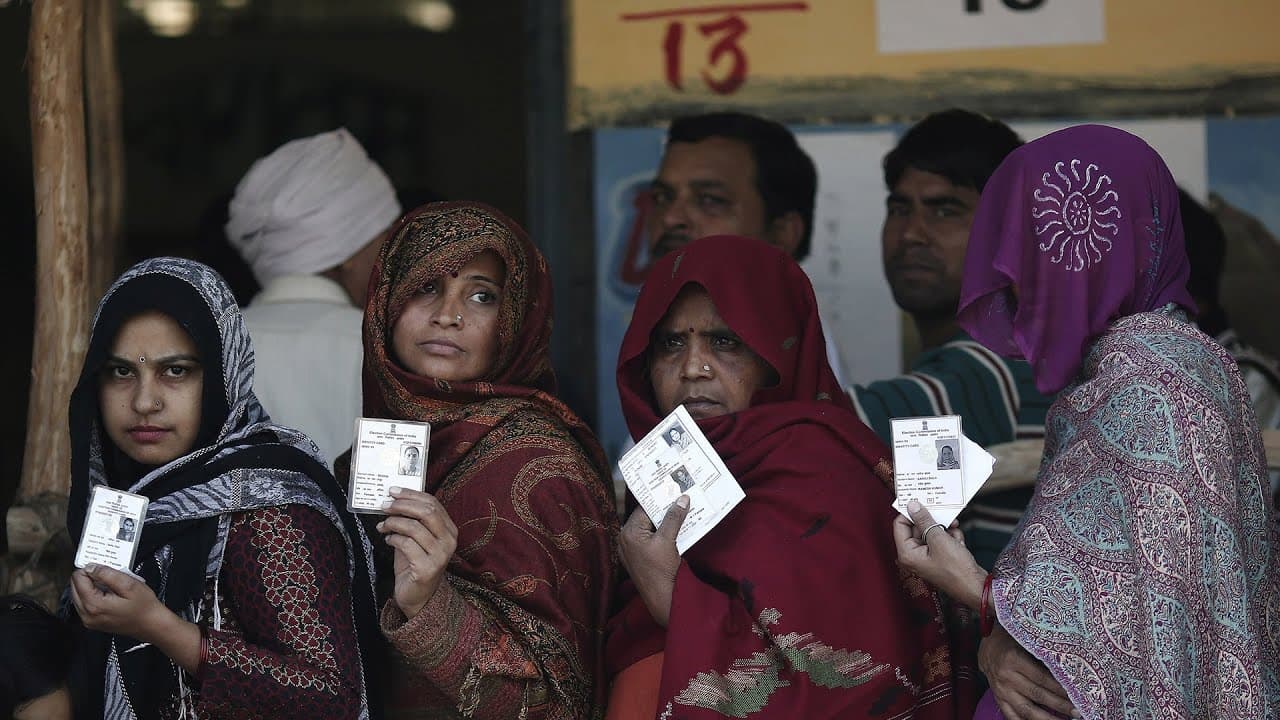
With eight-hundred and fourteen million voters, IndiaÕs election is the largest exercise of democracy in world history. IndiaÕs elections are heralded worldwide as free and fair, and the election commission is fiercely independent. To manage voting on this scaleÑkeeping voters safe and ballot boxes secureÑpolls take place over nine phases spanning ... Read More
Key Insights
- India's election is the largest democratic exercise globally, involving 814 million voters across nine phases from April 7 to May 12.
- The election commission in India is known for its independence, ensuring that the elections are free and fair.
- Coalition governments dominate India's parliamentary system, with no single party winning a majority since 1984.
- The BJP, led by Narendra Modi, is expected to win a large plurality, replacing the Congress-led coalition government.
- The political narrative in India has shifted from identity-based appeals to a focus on governance and service delivery.
- An anti-corruption movement has emerged, influencing voter priorities and media focus on governance issues.
- India's economic growth has slowed significantly, with inflation and a weak rupee affecting the population.
- The next government must prioritize economic recovery, aiming for 8% growth to accommodate the young workforce.
Install to Summarize YouTube Videos and Get Transcripts
Explore YouTube Video Summarizer or Get YouTube Transcript Extractor
Questions & Answers
Q: What makes India's election unique in the world?
India's election is unique due to its sheer size and scale, being the largest exercise of democracy in the world. It involves over 814 million voters and is conducted over nine phases to ensure security and fairness. The election commission's independence further underscores the democratic nature of the process.
Q: How does the coalition system affect India's government formation?
In India's parliamentary system, coalition governments are the norm due to the multi-party landscape. No single party has secured a majority since 1984, making alliances crucial for forming a government. Smaller parties play a pivotal role in shaping the ruling coalition, influencing policy and governance priorities.
Q: What shift has occurred in the political language of Indian elections?
The political language in Indian elections has shifted from identity-based appeals, such as caste and religion, to a focus on governance and service delivery. This change is driven by a growing anti-corruption movement and voter demand for better infrastructure and public services like electricity, roads, and water.
Q: What economic challenges does the next Indian government face?
The next Indian government faces significant economic challenges, including slowed growth, high inflation, and a weak rupee. With a young population entering the workforce, the government needs to achieve 8% growth to create sufficient jobs. Addressing these issues is critical for returning to a path of high economic growth.
Q: Why is the BJP expected to win a large plurality in the election?
The BJP, led by Narendra Modi, is expected to win a large plurality due to widespread dissatisfaction with the Congress-led coalition's handling of corruption and economic issues. Modi's focus on governance and economic development resonates with voters, positioning the BJP as a strong alternative in the election.
Q: What role does the election commission play in India's elections?
The election commission in India plays a crucial role by ensuring that elections are conducted freely and fairly. It operates independently, overseeing the vast electoral process, managing logistics, and maintaining security. Its efforts help uphold the integrity and credibility of the democratic process in the world's largest democracy.
Q: How has the anti-corruption movement influenced Indian elections?
The anti-corruption movement has significantly influenced Indian elections by shifting voter focus from identity politics to governance. It has exposed inefficiencies and corruption within the government, prompting demands for transparency and accountability. This movement has reshaped political discourse, prioritizing service delivery and good governance.
Q: What demographic factors are influencing India's economic priorities?
India's demographic factors, particularly its young population, are influencing economic priorities. With over half of the population under 25, there is a pressing need for job creation. Economists suggest that maintaining an 8% growth rate is essential to absorb new workforce entrants, making economic revitalization a top priority for the government.
Summary & Key Takeaways
-
India's election, involving 814 million voters, is the largest democratic exercise in history. The focus is on coalition government formation, with the BJP expected to gain a significant plurality. The political discourse has shifted from identity politics to governance and service delivery, driven by an anti-corruption movement.
-
The election commission ensures free and fair elections in India, with polls conducted over nine phases. The BJP, led by Narendra Modi, is poised to replace the Congress-led coalition. The political language has evolved, emphasizing governance over caste or religious identity, with an emphasis on anticorruption.
-
Economic challenges are central to the election, with India's growth slowing and inflation affecting citizens. The next government must address these issues, aiming for 8% growth to provide jobs for the young workforce. The shift in political focus reflects a demand for better governance and service delivery.
Read in Other Languages (beta)
Share This Summary 📚
Summarize YouTube Videos and Get Video Transcripts with 1-Click
Try YouTube Summary with ChatGPT & Claude or YouTube Transcript Generator
Explore More Summaries from Council on Foreign Relations 📚


Summarize YouTube Videos and Get Video Transcripts with 1-Click
Try YouTube Summary with ChatGPT & Claude or YouTube Transcript Generator