Lung Cancer Facts : About Radiation Therapy for Lung Cancer
TL;DR
Radiation therapy is a crucial part of lung cancer treatment, especially for patients with localized lung cancer where surgery is not an option.
Transcript
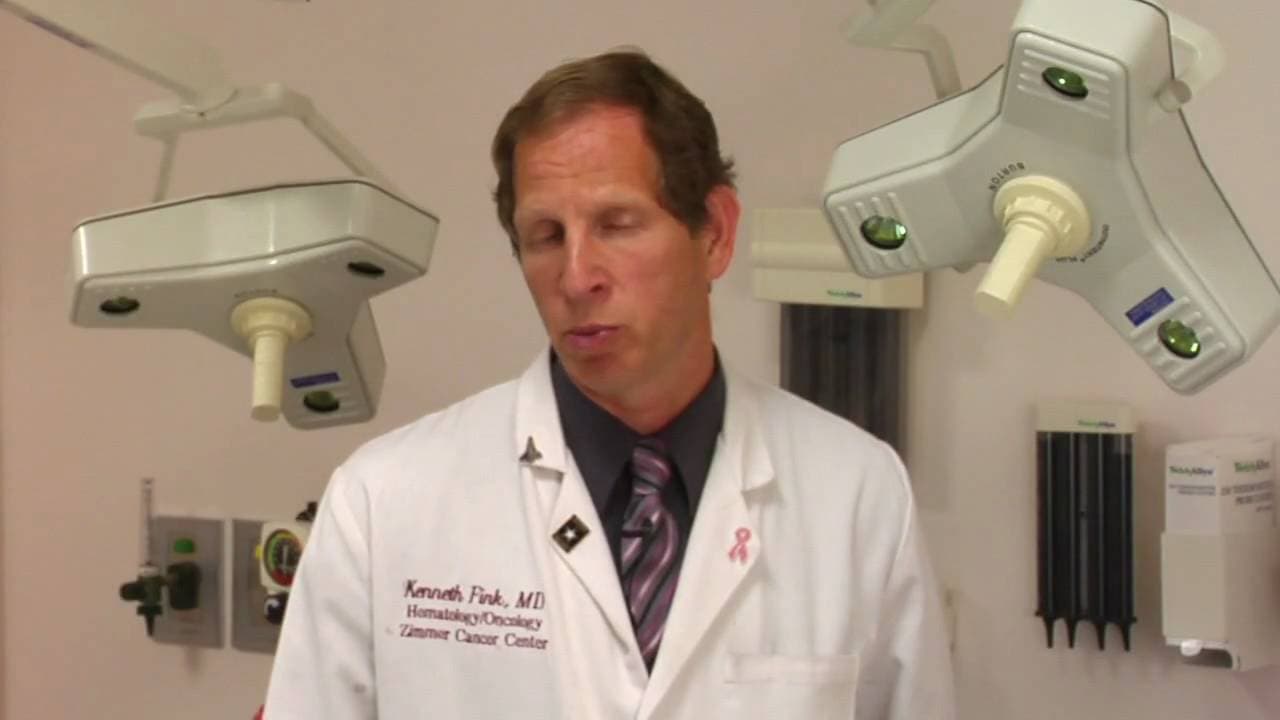
hi I'm dr. Kenneth Bank I'm a medical oncologist at summer Cancer Center in New Hanover Regional Medical Center in Wilmington North Carolina radiation therapy for lung cancer is a very important part of the treatment of lung cancer unfortunately the majority of patients who are diagnosed with lung cancer I cannot have their lung cancers removed per... Read More
Key Insights
- 🫁 Surgery is only a viable option for about 25% of lung cancer patients, making radiation therapy essential for the majority of cases.
- 📤 Radiation therapy uses x-ray energy to specifically target and destroy dividing cancer cells by disrupting their DNA replication process.
- 🫁 It is the standard treatment for stage 3 lung cancer patients who have tumors confined to the lung but involve lymph nodes and cannot be surgically removed.
- ❓ Radiation therapy is often combined with chemotherapy to enhance treatment outcomes.
- 🌗 The procedure is generally painless, with each treatment lasting around a minute.
- 💼 Daily treatments for four to five weeks are typical, although certain cases may require twice-daily treatments.
- 😨 Side effects of radiation therapy for lung cancer can include radiation esophagitis and scarring, but they are usually manageable.
Install to Summarize YouTube Videos and Get Transcripts
Explore YouTube Video Summarizer or Get YouTube Transcript Extractor
Questions & Answers
Q: How does radiation therapy work to destroy lung cancer cells?
Radiation therapy uses concentrated x-ray energy to disrupt the DNA replication process in cancer cells, leading to their destruction. It specifically targets dividing cells, such as cancer cells, sparing normal surrounding tissues.
Q: Is radiation therapy a painful procedure?
No, radiation therapy is generally painless. Patients lie down on a table, similar to an x-ray table, and the radiation energy is delivered from an electrical source. Each treatment takes about a minute and can be performed in the doctor's office.
Q: How often do patients need to undergo radiation therapy?
Patients typically receive radiation therapy on a daily basis, often once a day for about four to five weeks. In certain cases, such as small cell lung cancer, patients may require twice-daily treatments to increase effectiveness while minimizing toxicity.
Q: What are the side effects of radiation therapy for lung cancer?
Towards the end of treatment, patients may experience side effects such as difficulty swallowing (radiation esophagitis) and scarring or inflammation in the treated area. These side effects can be managed with medications, and most patients recover fully after treatment.
Summary & Key Takeaways
-
Approximately 75% of patients diagnosed with lung cancer cannot have their tumors surgically removed, making radiation therapy vital for their treatment.
-
Radiation therapy uses concentrated x-ray energy to target and destroy cancer cells by attacking their DNA.
-
It is the standard treatment for stage 3 lung cancer patients who are unable to undergo surgery, often combined with chemotherapy for better outcomes.
Read in Other Languages (beta)
Share This Summary 📚
Summarize YouTube Videos and Get Video Transcripts with 1-Click
Try YouTube Summary with ChatGPT & Claude or YouTube Transcript Generator
Explore More Summaries from ehow 📚



Summarize YouTube Videos and Get Video Transcripts with 1-Click
Try YouTube Summary with ChatGPT & Claude or YouTube Transcript Generator