Paradise Lost by John Milton | Summary & Analysis
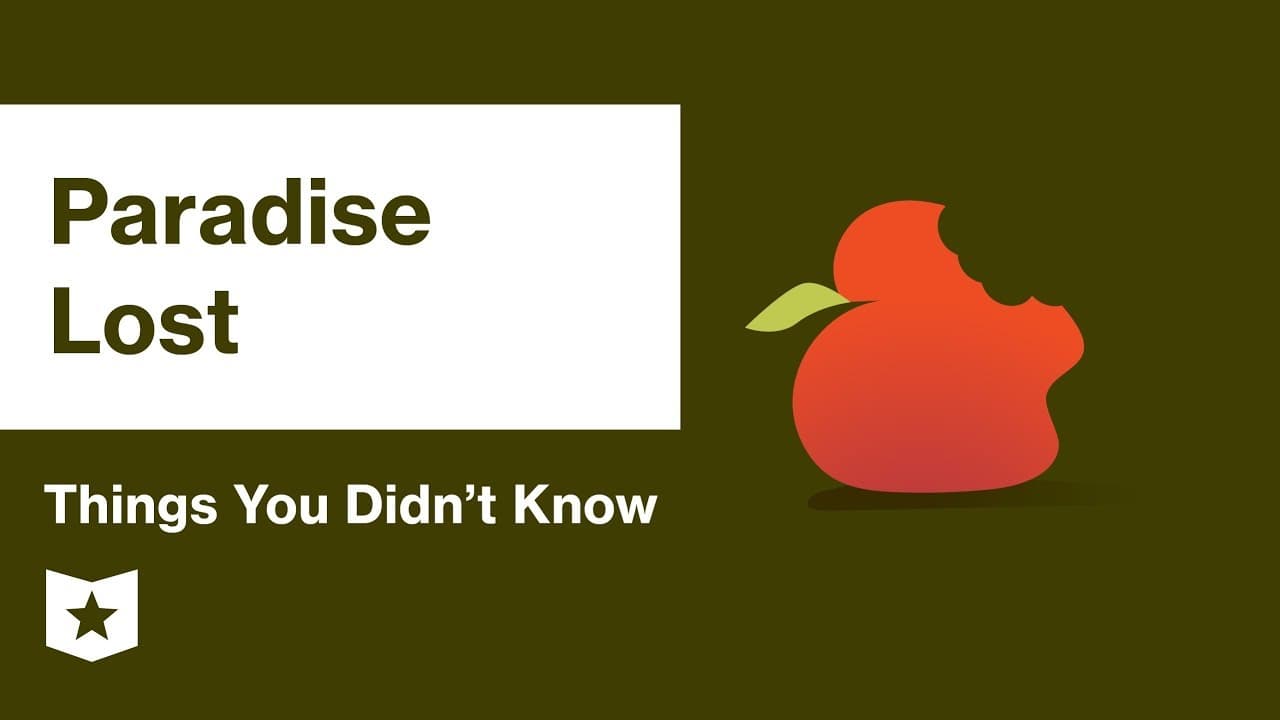
TL;DR
John Milton's epic poem "Paradise Lost" challenges conventions of epic poetry, explores themes of free will, and reflects his radical political and religious views.
Transcript
as a young poet John Milton promised a great epic about the military feats of King Arthur or some other national hero devoted to the glory of England but at the end of his career he published an epic about the fall of Satan and humankind set in the cosmic realms of Hell in heaven in which England has never mentioned in-between he experienced devast... Read More
Key Insights
- 🥶 John Milton's personal and political experiences heavily influenced the themes of loss, rebellion, and free will in "Paradise Lost."
- 😘 "Paradise Lost" challenges traditional epic poetry by focusing on Satan's fall and presenting complex themes of sin and free will.
- 🫵 Milton's views on marriage in "Paradise Lost" defy traditional gender roles and offer a progressive portrayal of companionship.
- ❓ The epic poem reflects Milton's radical Protestant beliefs, opposition to the Anglican Church, and support for revolution against the monarchy.
- ⌛ "Paradise Lost" presents a revolutionary narrative that addresses political, religious, and societal issues of Milton's time.
- 🥶 The themes of obedience, disobedience, fate, and free will are central to the narrative of "Paradise Lost."
- 🫵 John Milton's depiction of Satan in "Paradise Lost" as a brave and courageous figure reflects his views on resistance and submission.
Install to Summarize YouTube Videos and Get Transcripts
Explore YouTube Video Summarizer or Get YouTube Transcript Extractor
Questions & Answers
Q: How did John Milton's personal experiences influence the themes in "Paradise Lost"?
John Milton's personal losses and political struggles greatly influenced the themes of loss, rebellion, free will, and radical views present in "Paradise Lost." These elements reflect his responses to the turbulent events of his time.
Q: What distinguishes "Paradise Lost" from traditional epic poetry?
"Paradise Lost" deviates from traditional epic poetry by focusing on Satan's fall, challenging typical heroic narratives, and exploring complex themes of sin, free will, and the human condition in a cosmic setting.
Q: How does John Milton's view of marriage differ from conventional beliefs of his time?
Milton's views on marriage in "Paradise Lost" challenge traditional gender roles by presenting Eve as a complex character with desires for knowledge and independence, offering a progressive portrayal of companionship and marriage.
Q: What political and religious views are reflected in John Milton's "Paradise Lost"?
"Paradise Lost" reflects Milton's radical Protestant beliefs, his opposition to the Anglican Church, his support for revolution against the monarchy, and his advocacy for individual freedom and spiritual access, shaping the narrative and themes of the epic poem.
Summary & Key Takeaways
-
John Milton's "Paradise Lost" deviates from his initial plan of an English epic, focusing instead on the fall of Satan and man.
-
Milton's personal losses and political crises influenced his revolutionary epic that questions marriage, monarchy, and free will.
-
The poem challenges literary norms, presents radical views, and serves as a reflection of historical events in Milton's life.
Read in Other Languages (beta)
Share This Summary 📚
Summarize YouTube Videos and Get Video Transcripts with 1-Click
Try YouTube Summary with ChatGPT & Claude or YouTube Transcript Generator
Explore More Summaries from Course Hero 📚


Summarize YouTube Videos and Get Video Transcripts with 1-Click
Try YouTube Summary with ChatGPT & Claude or YouTube Transcript Generator