Why Aren't Movie Theaters Dead Yet Despite Streaming?
TL;DR
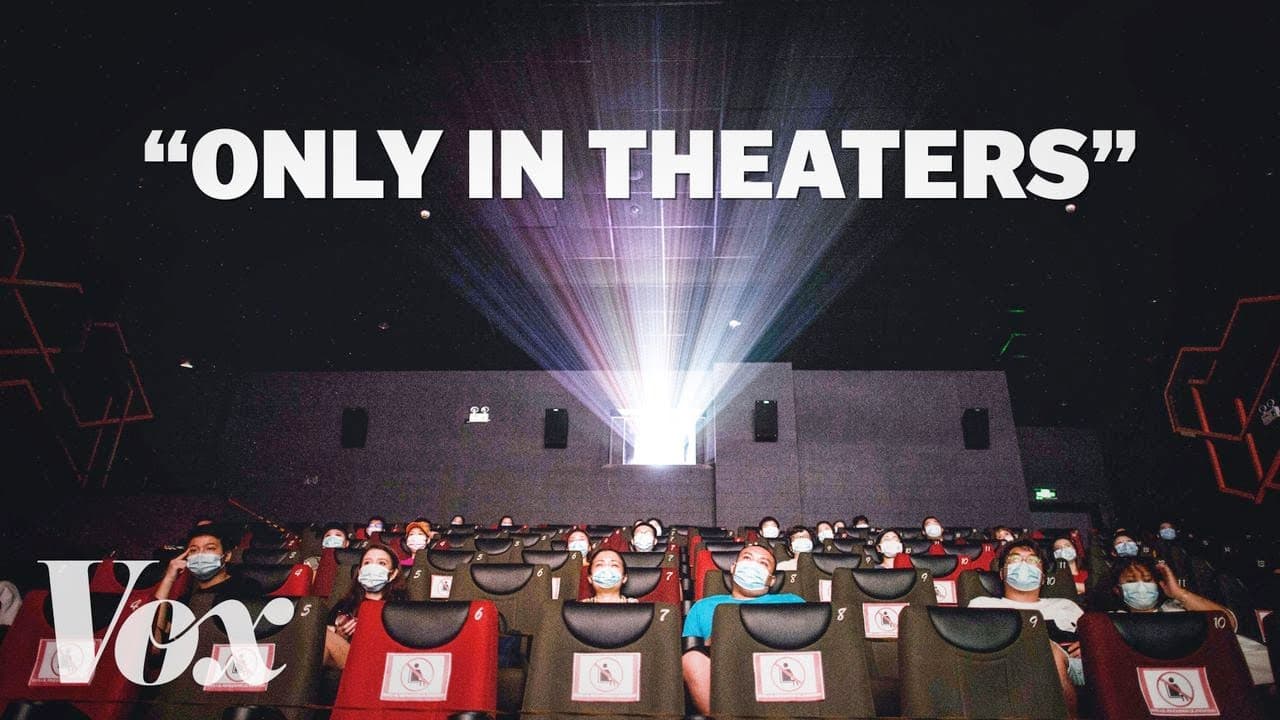
Movie theaters remain relevant because they provide a unique communal experience that enhances a film's cultural impact, despite the industry's shift towards streaming. The theatrical window, while decreasing in length, continues to offer studios significant revenue and marketing benefits. After the pandemic, both theaters and studios recognized their interdependence, leading to flexible window agreements rather than simultaneous releases.
Transcript
On November 22, 1995, Toy Story was released in theaters in the US. You couldn’t take it home to watch it on your VCR until October 29th, 1996 -- 11 months after it opened. This is called the theatrical window: when a movie is shown only in theaters. And it’s gotten way smaller over time. Toy Story 4 was released in June of 2019. To watch it at ho... Read More
Key Insights
- The theatrical window, once nearly a year long, has significantly decreased over the years, now often less than three months.
- The shrinking window is due to ongoing negotiations between movie theaters and studios, with studios gaining more leverage over time.
- The COVID-19 pandemic shifted power towards studios, allowing them to experiment with simultaneous digital and theatrical releases.
- Despite the pandemic's impact, studios chose to maintain the theatrical window, recognizing theaters' value in revenue and cultural impact.
- Theaters and studios have a symbiotic relationship; theaters need movies to show, while studios need theaters for significant revenue and exposure.
- Universal aggressively pushed for shorter windows, achieving deals for as short as 17 days for smaller films post-pandemic.
- The pandemic led to new deals, with major studios like Disney and Warner Bros. agreeing to a 45-day window starting in 2022.
- Theaters provide a unique, shared viewing experience that enhances a movie's cultural significance and perceived quality.
Install to Summarize YouTube Videos and Get Transcripts
Explore YouTube Video Summarizer or Get YouTube Transcript Extractor
Questions & Answers
Q: What is the theatrical window?
The theatrical window is the period during which a movie is exclusively shown in theaters before becoming available on other platforms like DVD or streaming. Historically, this window was nearly a year long, but over time, it has decreased significantly due to negotiations between movie theaters and studios.
Q: How has the theatrical window changed over time?
The theatrical window has shrunk considerably over the years. Initially, it could last up to a year, but by 2019, many movies were available for home viewing within three months of their theatrical release. This change is due to ongoing negotiations between theaters and studios, with studios gradually gaining more control.
Q: What impact did the COVID-19 pandemic have on the theatrical window?
The COVID-19 pandemic shifted the power dynamic significantly towards studios, allowing them to test simultaneous digital and theatrical releases. With theaters closed, studios explored new distribution models, but ultimately, they chose to maintain the theatrical window, recognizing its importance in terms of revenue and cultural value.
Q: Why do studios still maintain the theatrical window?
Studios maintain the theatrical window because theaters provide significant revenue and enhance a movie's cultural impact. Theaters offer a shared viewing experience that elevates a film's perceived quality and cultural relevance, making them an essential part of a movie's release strategy despite the rise of digital platforms.
Q: How did Universal challenge the traditional theatrical window?
Universal has been notably aggressive in pushing for shorter theatrical windows. They negotiated deals post-pandemic that allow for windows as short as 17 days for smaller films. Their approach, especially during the pandemic, involved testing simultaneous releases, which shifted industry dynamics and led to new agreements with theater chains.
Q: What new agreements were made regarding the theatrical window post-pandemic?
Post-pandemic, major studios like Disney, Paramount, and Warner Bros. agreed to a 45-day theatrical window starting in 2022. Universal secured even shorter windows, with 31 days for major releases and 17 days for smaller films, in exchange for sharing video-on-demand revenue with theater chains.
Q: What is the significance of theaters in the movie industry?
Theaters play a crucial role in the movie industry by providing significant revenue and enhancing a movie's cultural impact. They offer a unique, shared viewing experience that elevates a film's perceived quality and cultural significance, making them an essential part of a movie's release strategy despite the rise of digital platforms.
Q: How do theaters and studios benefit from each other?
Theaters and studios have a symbiotic relationship. Theaters need movies to attract audiences and generate revenue, while studios rely on theaters for significant revenue and cultural exposure. This mutual dependence ensures the continued relevance of the theatrical window, even as digital platforms become more prominent.
Summary & Key Takeaways
-
The theatrical window, the period when movies are exclusively shown in theaters, has decreased significantly over decades. This change results from negotiations between theaters and studios, with studios gaining the upper hand, especially during the COVID-19 pandemic.
-
During the pandemic, studios gained leverage to test simultaneous digital and theatrical releases. However, they maintained the theatrical window, recognizing the value theaters bring in terms of revenue and cultural impact.
-
Theaters and studios maintain a mutually beneficial relationship. Theaters need movies to attract audiences, while studios rely on theaters for significant revenue and cultural exposure, ensuring the theatrical window's continued relevance.
Read in Other Languages (beta)
Share This Summary 📚
Summarize YouTube Videos and Get Video Transcripts with 1-Click
Try YouTube Summary with ChatGPT & Claude or YouTube Transcript Generator
Explore More Summaries from Vox 📚


Summarize YouTube Videos and Get Video Transcripts with 1-Click
Try YouTube Summary with ChatGPT & Claude or YouTube Transcript Generator