Stanford Seminar - Designing Human-Centered AI Systems for Human-AI Collaboration
TL;DR
Designing AI systems that collaborate with humans, rather than replace them, can lead to successful implementations with lasting impact.
Transcript
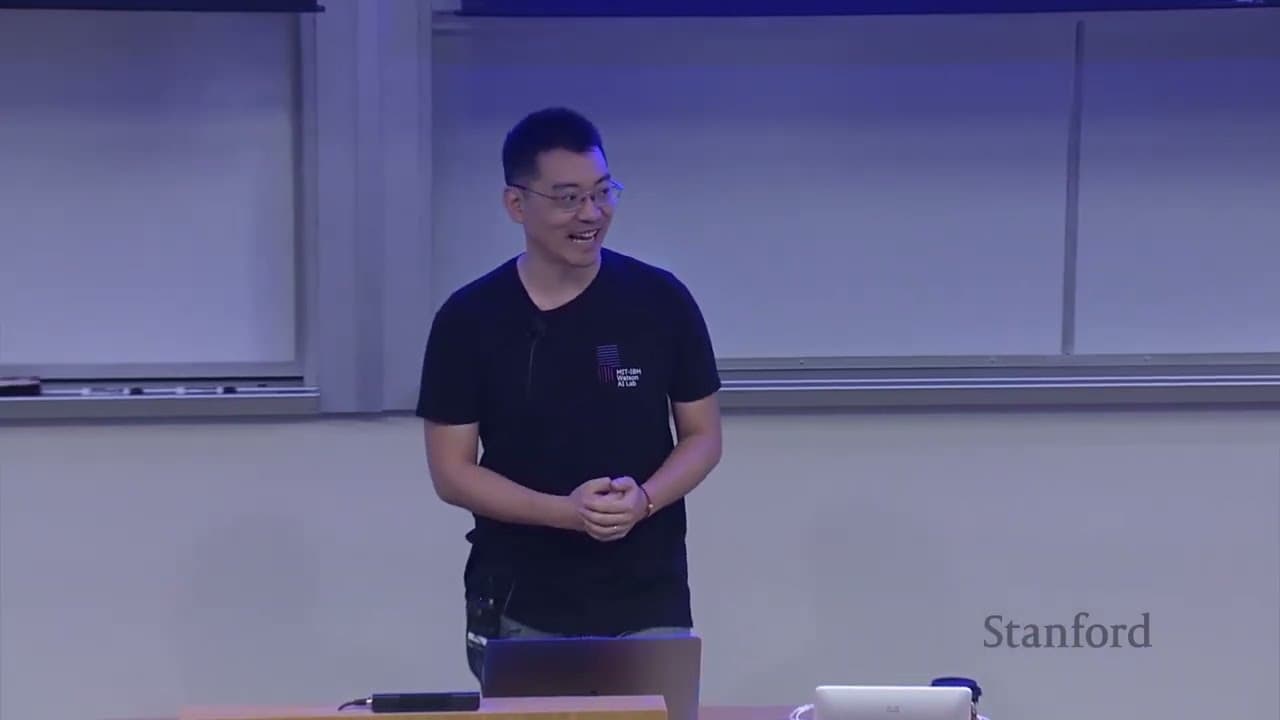
thank you Michael and thanks everyone for coming to my talk um my name is Taco at Taco Wang I'm here uh presenting this talk title designing human centered AI systems for Human air collaboration a very quick background about myself I'm currently working at IBM research business scholar at Stanford so my office is a case126 if you want to talk to me... Read More
Key Insights
- ❓ Designing AI systems as collaborators rather than competitors is crucial for successful human-AI collaboration.
- 👤 User-centered design research methods are valuable for identifying user needs and integrating AI into existing workflows.
- 😚 Closing the loop between researchers, engineers, and users can ensure the development of effective AI systems.
- 👤 Democratizing AI through user-friendly interfaces enables non-technical users to benefit from AI technology.
- 🦮 Learning from human-human collaboration can guide the design of effective human-AI collaboration systems.
- 💄 Human-in-the-loop AI models can provide valuable insights and support in decision-making processes.
- ❓ Reducing biases in AI models and promoting ethical NLP practices are essential for responsible AI deployment.
Install to Summarize YouTube Videos and Get Transcripts
Explore YouTube Video Summarizer or Get YouTube Transcript Extractor
Questions & Answers
Q: What are some common reasons for the failure of AI systems in the real world?
One main reason is the perception that AI systems are designed to replace human professionals rather than support them. This can lead to resistance from users who feel threatened by the technology's potential impact on their roles.
Q: How can user-centered design research methods improve AI system design?
User-centered design research methods involve understanding user needs and incorporating their feedback throughout the design process. This approach ensures that AI systems align with user requirements and are more likely to be adopted and utilized effectively.
Q: How can AI systems support storybook reading experiences for parents and children?
AI systems can provide interactive dialogue and question-answering capabilities during storybook reading. This enhances engagement and comprehension for children while supporting parents in facilitating meaningful interactions.
Q: What are some possible future directions for AI-human interfaces beyond text messaging?
Some future directions include exploring multimodal interfaces that incorporate speech, images, and videos to create more engaging interactions. For example, generating sketches or illustrations alongside spoken storybook readings to enhance the overall experience.
Summary & Key Takeaways
-
Traditional AI systems in healthcare, chatbots, and decision-making have often failed to deliver the expected results and user adoption.
-
Designing human-centered AI systems that function as collaborators rather than competitors can improve user acceptance and outcomes.
-
User-centered design research methods help identify user needs and integrate AI technology into existing workflows.
-
Closing the loop between researchers, engineers, and users is essential to ensure successful human-AI collaboration.
Read in Other Languages (beta)
Share This Summary 📚
Summarize YouTube Videos and Get Video Transcripts with 1-Click
Try YouTube Summary with ChatGPT & Claude or YouTube Transcript Generator
Explore More Summaries from Stanford Online 📚





Summarize YouTube Videos and Get Video Transcripts with 1-Click
Try YouTube Summary with ChatGPT & Claude or YouTube Transcript Generator