Chicago Adventure, Part One: Beetles 'n Bats
TL;DR
Take a tour of the Chicago Field Museum and learn about the preparation process and the vast collections it houses.
Transcript
The Chicago Field Museum is one of the largest and most respected natural history museums in the world. Join me as we go behind the scenes! Dun dun dun! We live our lives in this building.
- Yeah. It's like a passion. You know this.
- Absolutely. Oh, absolutely.
- We're not 9 to 5. Yeah. No. Not at all. It's- You work and live and breathe natural h... Read More
Key Insights
- 🤪 The Chicago Field Museum is a passion-driven institution that goes beyond regular working hours to preserve and educate.
- 🍉 The museum's behind-the-scenes preparation process involves cleaning, cataloging, and long-term preservation of specimens.
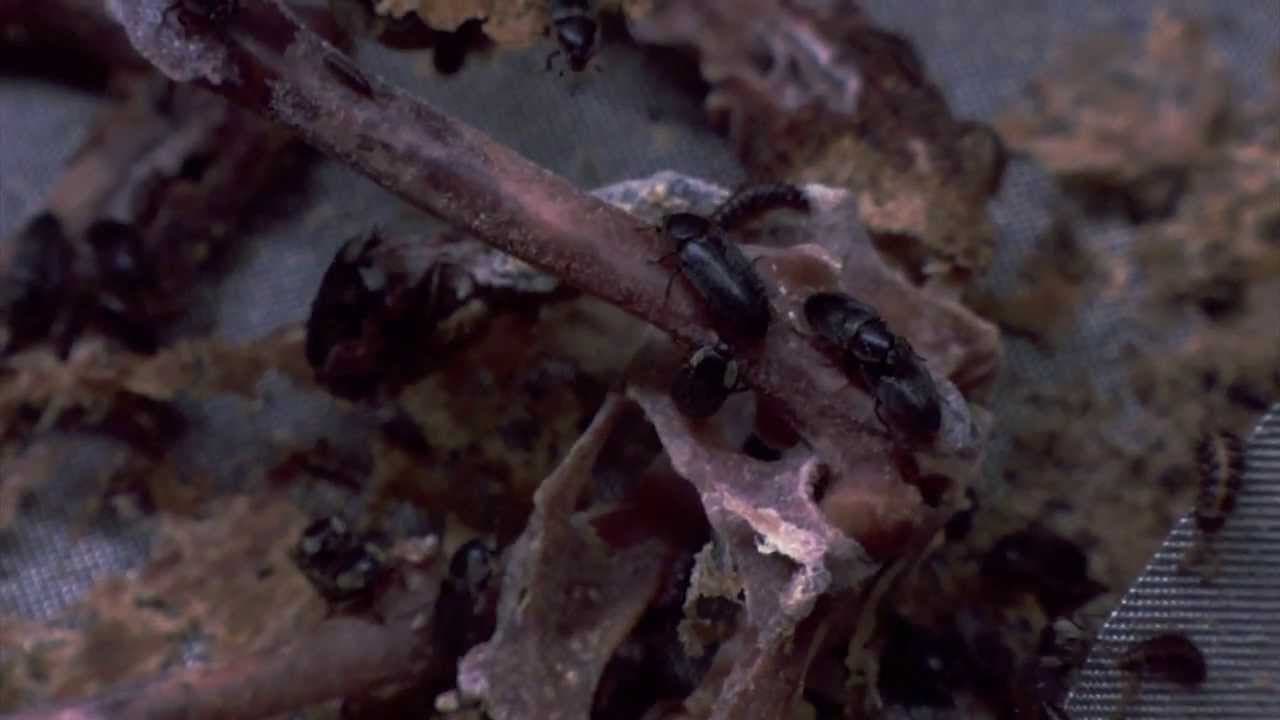
- ☠️ The dermestid colony is a crucial part of the museum's cleaning process, consuming flesh and leaving behind clean bones.
- 😒 Preserving specimens with the use of potable ethanol ensures that they can be studied for research and testing for centuries to come.
- 🧑🔬 The museum's dedication to maintaining the integrity of its collections will benefit future generations of scientists and researchers.
- 🤕 The unique characteristics of certain specimens, such as the hammer-headed bat, offer fascinating insights into the natural world.
- 😫 The museum's commitment to organization and preservation techniques sets a high standard for other institutions.
Install to Summarize YouTube Videos and Get Transcripts
Explore YouTube Video Summarizer or Get YouTube Transcript Extractor
Questions & Answers
Q: What is the Chicago Field Museum known for?
The Chicago Field Museum is known for its extensive natural history collections and its commitment to research and preservation.
Q: How does the preparation process for specimens work?
The preparation process includes cleaning, cataloging, and preserving specimens to ensure their longevity for future research and study.
Q: What role does the dermestid colony play in the museum?
The dermestid colony, consisting of beetles, aids in the cleaning process by consuming flesh and leaving behind clean bones.
Q: How does the museum prevent mold growth in the dermestid colony?
To prevent mold, specimens are dried for a few days before being introduced to the colony to minimize moisture.
Q: What unique preservation methods does the museum use?
The museum uses 70% potable ethanol to preserve specimens, ensuring that they maintain their original appearance for centuries.
Summary & Key Takeaways
-
The Chicago Field Museum is a passion-driven natural history museum that goes beyond the typical 9-to-5 job.
-
The museum takes visitors behind the scenes to explore the process of cleaning, cataloging, and preserving specimens.
-
The museum has an impressive dermestid colony that aids in the cleaning process and has unique methods for preserving specimens.
Read in Other Languages (beta)
Share This Summary 📚
Summarize YouTube Videos and Get Video Transcripts with 1-Click
Try YouTube Summary with ChatGPT & Claude or YouTube Transcript Generator
Explore More Summaries from thebrainscoop 📚




Summarize YouTube Videos and Get Video Transcripts with 1-Click
Try YouTube Summary with ChatGPT & Claude or YouTube Transcript Generator