Andrew Fitzgerald: Adventures in Twitter fiction
TL;DR
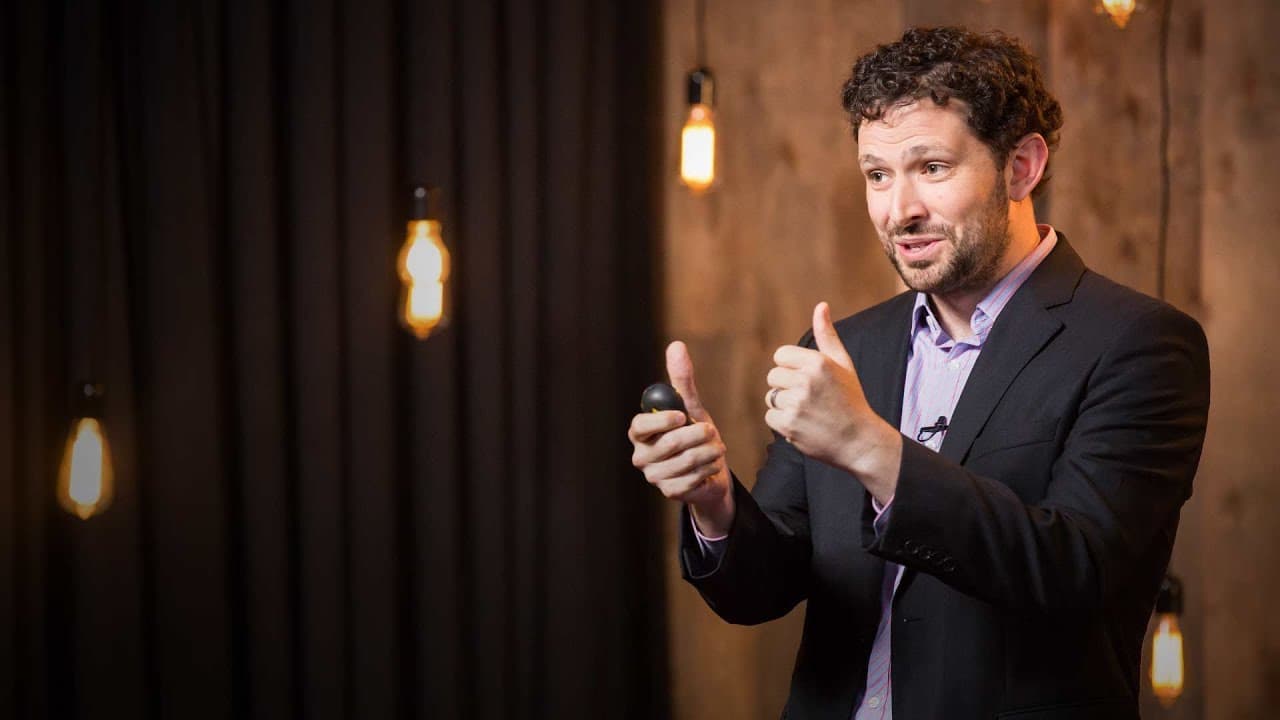
In this content, the speaker discusses the experimentation and evolution of storytelling in new digital mediums such as Twitter, exploring the blurring of fact and fiction.
Transcript
So in my free time outside of Twitter I experiment a little bit with telling stories online, experimenting with what we can do with new digital tools. And in my job at Twitter, I actually spent a little bit of time working with authors and storytellers as well, helping to expand out the bounds of what people are experimenting with. And I want to ta... Read More
Key Insights
- 📻 Radio defined new formats and stories, just like new mediums like the internet are expected to do.
- 🌐 The internet allows for many-to-many broadcasting, giving access to storytelling tools to everyone.
- 📚 Short stories are experiencing a renaissance thanks to digital platforms like e-readers and quick feedback systems.
- 📱 Hugh Howey's experiment with "Wool" shows how he built upon audience demand and feedback to create a series.
- 🐦 Twitter can be a platform for innovative storytelling. Jennifer Egan wrote "Black Box" specifically for Twitter, using the 140-character limit to create a serialized story with suspense and live engagement.
- 📖 Elliott Holt wrote a multi-perspective story on Twitter, creating authentic voices and engaging with readers in real-time. The spontaneous creation process added to the authenticity of the characters and format.
- 🔍 Flexible online identity and interaction with the real world gives rise to interesting experiments like Invisible Obama and "binders full of women."
- 🌍 Fictional characters engaging with reality can be a powerful storytelling tool.
- 🌌 A parody Twitter account for Mayor Emanuel turned into a real-time science fiction epic during the Chicago mayoral election, showcasing the possibilities and narrative conclusion of Twitter storytelling.
- 💡 The creation of Crimer Show on Twitter, parodying television tropes, is an experiment in creating a new format and using Twitter as an episodic platform.
- 🌍 Real-time storytelling and the blending of fact and fiction offer opportunities for new types of storytelling. Examples like RealTimeWWII and Teju Cole's literary twist on news events demonstrate this potential.
Install to Summarize YouTube Videos and Get Transcripts
Explore YouTube Video Summarizer or Get YouTube Transcript Extractor
Questions & Answers
Q: What examples does the speaker give of new formats of storytelling that have emerged using flexible identity and anonymity on the web?
The speaker gives several examples of new formats of storytelling that have emerged using flexible identity and anonymity on the web. One example is the author Hugh Howey, who released a short story called "Wool" on Amazon and expanded it into a series based on feedback from the audience. Another example is the author Jennifer Egan, who wrote a short story called "Black Box" specifically for Twitter, with The New Yorker tweeting it out in serialized form. Elliott Holt is also mentioned, who created characters on Twitter to tell a story from multiple perspectives. Finally, there is the example of a parody Twitter account called Crimer Show, which tells the story of a supercriminal and a detective in an absurdist style.
Q: How did Hugh Howey use e-books and quick feedback to experiment with storytelling?
Hugh Howey used e-books and quick feedback to experiment with storytelling by releasing a short story called "Wool" on Amazon. When the audience loved the first story, they demanded more, so Howey continued to write and publish additional installments. The quick feedback system of e-books allowed him to write and publish in a relatively short amount of time, without any mediator between him and the audience. This experimentation and direct connection with the audience became part of the format of his story.
Q: How did Jennifer Egan use Twitter as a platform for her short story "Black Box"?
Jennifer Egan used Twitter as a platform for her short story "Black Box" by convincing The New Yorker to create a Twitter account dedicated to tweeting out lines from the story. She wrote the story with the 140-character limit in mind, using storyboard squares to write each individual tweet. The serialized story was tweeted by The New Yorker account every night at 8 p.m., allowing audiences to experience the story in real time. The suspense built as the tweets were received one by one, creating a unique reading experience.
Q: How did Elliott Holt experiment with storytelling using Twitter?
Elliott Holt created a story called "Evidence" on Twitter by using multiple characters to tell the story from different perspectives. The story began with a tweet about a woman falling to her death from a hotel, and then unfolded through the voices of characters Elliott created specifically for Twitter. The story was written line by line with her thumbs, allowing for spontaneous creation of the characters' voices. This format of multiple perspectives in a single story on Twitter added authenticity and created a unique storytelling experience.
Summary & Key Takeaways
-
The speaker has experimented with telling stories online, using new digital tools, both in their free time and in their job at Twitter.
-
They believe that the internet is a new medium that allows for the creation of new storytelling formats, and they discuss examples such as short stories released on Amazon and Twitter.
-
The speaker highlights the importance of flexible identity, anonymity, and blurring the lines between fact and fiction in creating new and interesting storytelling experiences online.
Read in Other Languages (beta)
Share This Summary 📚
Summarize YouTube Videos and Get Video Transcripts with 1-Click
Try YouTube Summary with ChatGPT & Claude or YouTube Transcript Generator
Explore More Summaries from TED 📚
Summarize YouTube Videos and Get Video Transcripts with 1-Click
Try YouTube Summary with ChatGPT & Claude or YouTube Transcript Generator