Seal Surprises | National Geographic
TL;DR
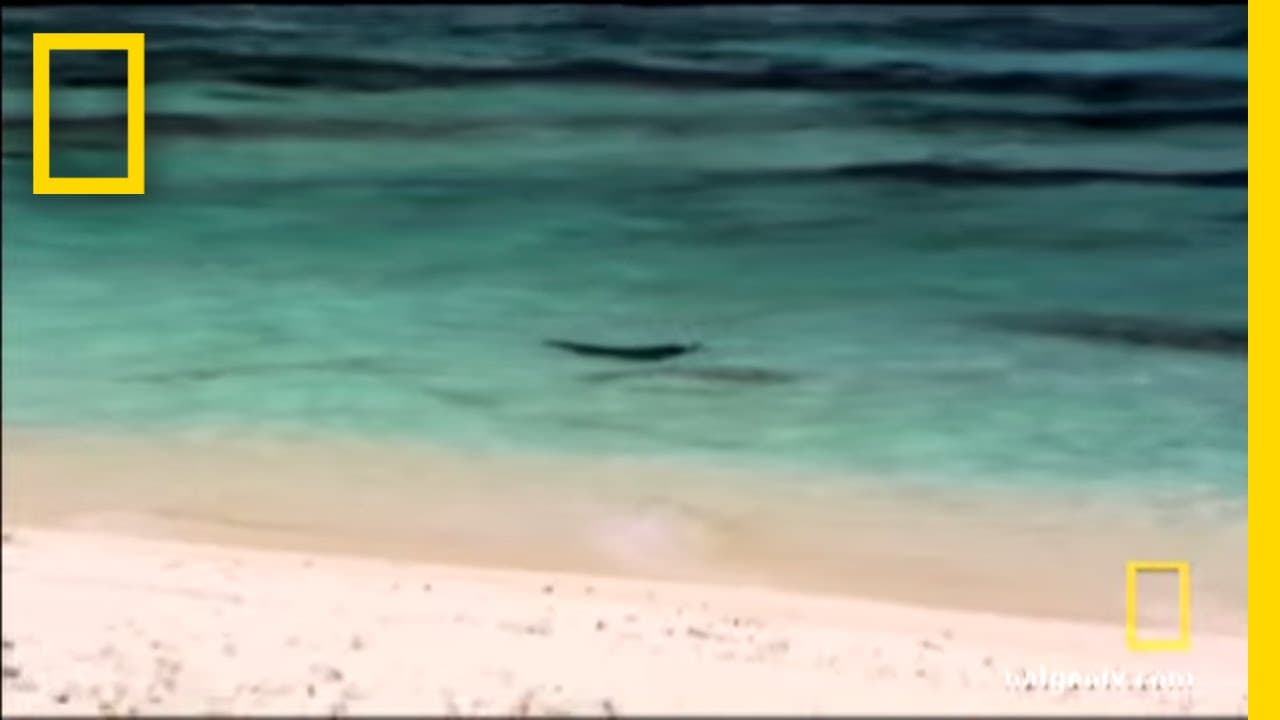
Crittercam reveals monk seals sleeping and foraging 1,600 feet deep, changing scientists' view of their habitat.
Transcript
to study seal habitat ecologist dr. Frank Parrish needed to know what was going on beyond the beach on an earlier mission he turned to national Geographics Crittercam Crittercam is a recording device once attached to an animal it records its every move this gave us the opportunity to basically follow the seal into the water and we found some pretty... Read More
Key Insights
- 📁 Crittercam technology offers valuable insights into animal behavior beyond direct observation.
- 🦭 Monk seals spend significant time sleeping in the deep sea, surprising researchers.
- 👣 Satellite tags help track animal movements and identify important habitats.
- 🦭 Deep sea diving expedition revealed seals foraging at 1,600 feet, challenging previous habitat assumptions.
- 👨🎤 Seals feed on fish in coral habitats, utilizing loose rocks for hunting.
- 🦭 Discovering seals foraging at the bottom of the ocean changes conservation perspectives.
- 🦭 Protecting monk seal habitats should extend beyond beaches to deep-sea locations.
Install to Summarize YouTube Videos and Get Transcripts
Explore YouTube Video Summarizer or Get YouTube Transcript Extractor
Questions & Answers
Q: How did Crittercam help Dr. Frank Parrish study monk seals?
Crittercam recorded seals' underwater behavior, revealing their deep-sea activities like sleeping and foraging, providing valuable insights into their habitat.
Q: Why was it surprising for Dr. Parrish to discover monk seals sleeping at such depths?
Dr. Parrish was shocked because he had no idea that seals would spend so much time sleeping in the deep sea, away from the beaches.
Q: What did the satellite tags on the seals reveal to researchers?
Satellite tags showed seals clustering over specific locations in the deep sea, leading to further investigations into their foraging habitats.
Q: How did the discovery of monk seals foraging at 1,600 feet change scientists' perspectives?
Finding seals feeding at such depths radically altered scientists' understanding of where seals live, emphasizing the need to protect their habitat beyond beaches and shallow corals.
Summary & Key Takeaways
-
Dr. Frank Parrish used Crittercam to study monk seals beyond the beach.
-
Seals were found sleeping 50% of the time deep in the ocean.
-
Researchers discovered seals foraging at depths of 1,600 feet, changing habitat perspectives.
Read in Other Languages (beta)
Share This Summary 📚
Summarize YouTube Videos and Get Video Transcripts with 1-Click
Try YouTube Summary with ChatGPT & Claude or YouTube Transcript Generator
Explore More Summaries from National Geographic 📚



Summarize YouTube Videos and Get Video Transcripts with 1-Click
Try YouTube Summary with ChatGPT & Claude or YouTube Transcript Generator