How A Game Of Chess Can Make You Smarter
TL;DR
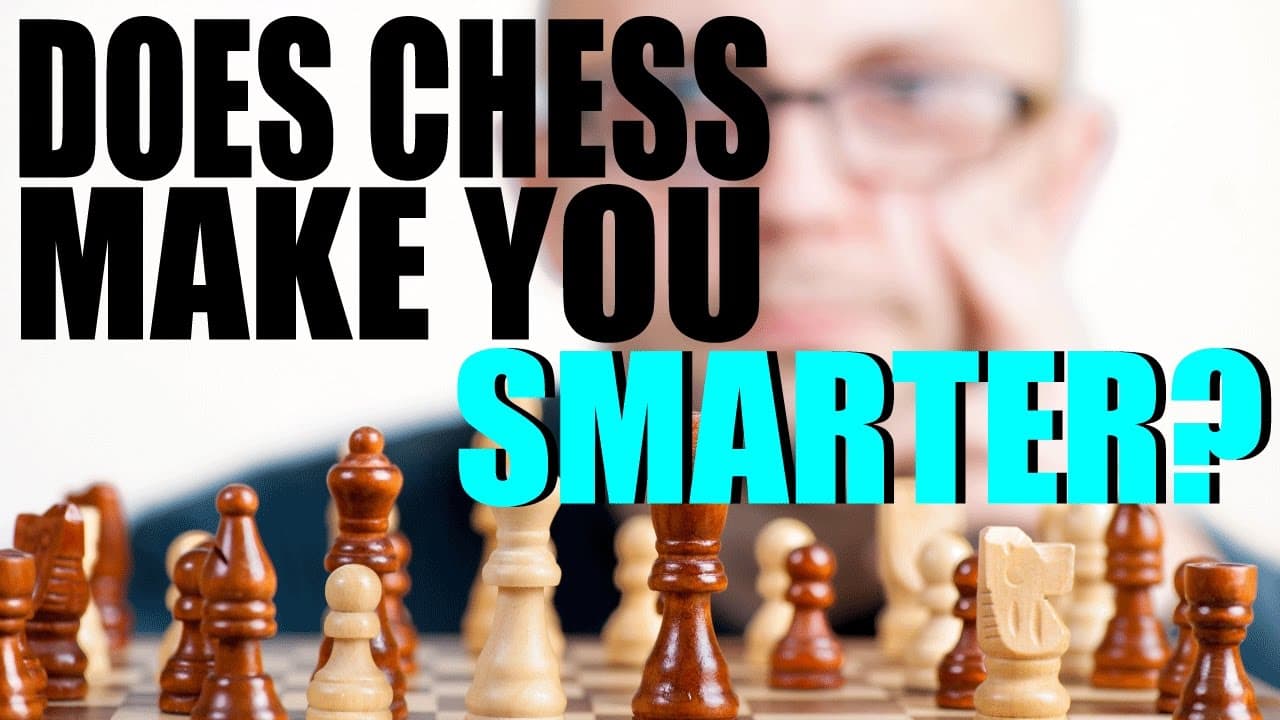
Chess has several parallels to business, such as the need for strategic thinking, learning from masters, studying different aspects, and embracing failures.
Transcript
I'm James outfitter and you're watching behind the brand with Brian Elliot everyone I'm Brian Elliot welcome to another edition of behind the brand today I'm here with best-selling author James Altucher James welcome to the show oh my god not only am I so excited to be here but I feel like I'm the last in line he's had all my friends on the show an... Read More
Key Insights
- 😌 The parallels between chess and business lie in mastering one thing and learning the language of mastery.
- 👨💼 Learning the history, studying different aspects, modeling superior players, and embracing failures are crucial for both chess and business success.
- 🏑 Understanding the evolution of an industry and seeking expert feedback are key components in mastering a particular field.
- ❓ Failure is an essential part of learning and improvement, and should be embraced rather than avoided.
- 🥺 Each industry or domain has its own language of mastery, and studying it can lead to success.
- 👨💼 The ability to adapt to changing trends and strategies is crucial in both chess and business.
- 💨 Seeking guidance from experts and analyzing past performance are effective ways to improve in both domains.
Install to Summarize YouTube Videos and Get Transcripts
Explore YouTube Video Summarizer or Get YouTube Transcript Extractor
Questions & Answers
Q: What are some parallels between chess and business?
While the parallels between chess and business are not about military or strategic thinking, they include mastering one thing, learning the language of mastery, studying the history of the game or industry, modeling superior players or interviewers, learning from failures, and seeking expert feedback.
Q: How does learning the history of chess or an industry contribute to mastery?
By understanding the evolution of the game or industry, one gains insights into how certain positions or approaches developed. This knowledge helps to make informed decisions and adapt to current trends effectively.
Q: How can studying superior players or interviewers like Garry Kasparov help in chess or business?
By studying the games or interviews of superior players, one can develop intuition and learn effective moves or interviewing techniques. This allows for better decision-making and the ability to model successful strategies.
Q: How can failures contribute to improvement in chess or business?
Failures provide opportunities for growth and learning. By analyzing and studying failures, one can identify mistakes, weaknesses, and areas for improvement. This leads to better strategies and performance in future games or business endeavors.
Summary & Key Takeaways
-
Chess has several parallels to business, but not in terms of military or strategic thinking. Instead, the parallels lie in mastering one thing and learning the language of mastery.
-
To master chess, one needs to learn the history of the game, study different positions and openings, analyze and model moves from superior players like Garry Kasparov, and learn from failures.
-
These parallel principles also apply to other areas such as entertainment, podcasting, writing, and business in general.
Read in Other Languages (beta)
Share This Summary 📚
Summarize YouTube Videos and Get Video Transcripts with 1-Click
Try YouTube Summary with ChatGPT & Claude or YouTube Transcript Generator
Explore More Summaries from Behind the Brand 📚





Summarize YouTube Videos and Get Video Transcripts with 1-Click
Try YouTube Summary with ChatGPT & Claude or YouTube Transcript Generator