Dr. Mark Jennings, New Testament Textual Criticism--Session 1, Manuscripts
TL;DR
This video provides an introduction to textual criticism, exploring how scholars determine the original words of the New Testament by comparing various ancient manuscripts.
Transcript
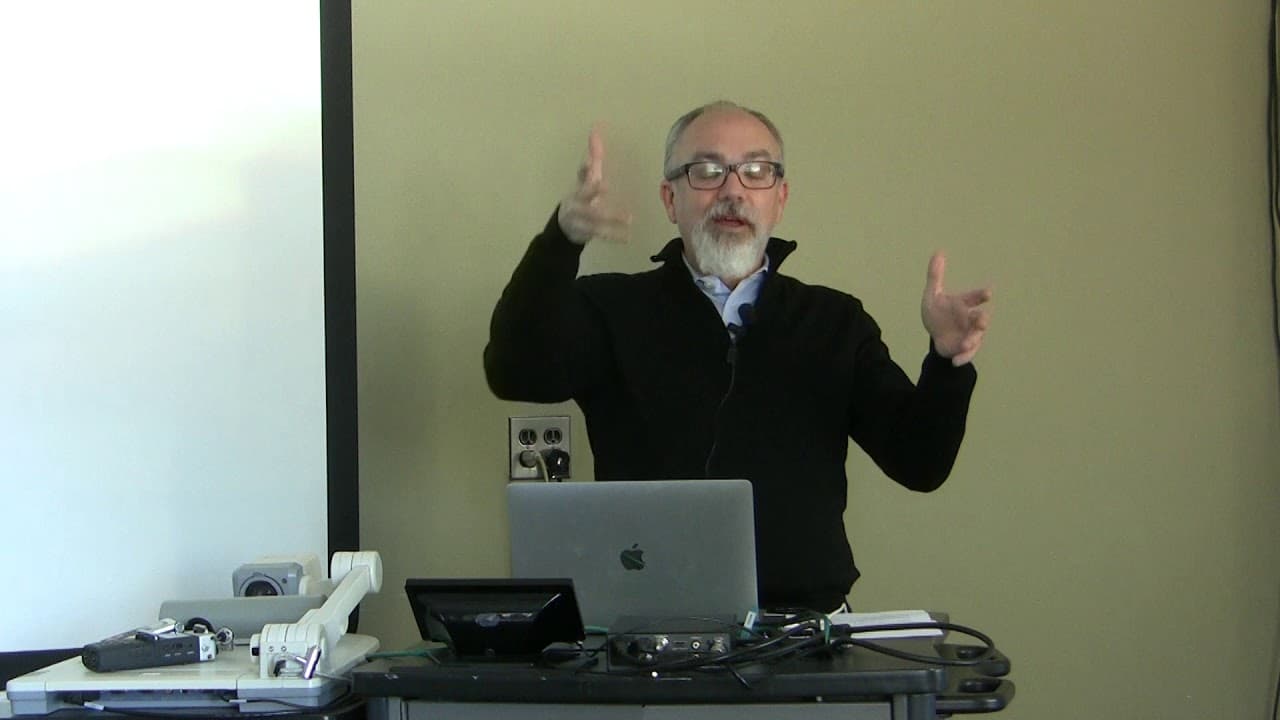
[Applause] this is dr mark jennings in his teaching on new testament textual criticism this is session number one the determination of the text manuscripts hi my name is mark jennings i'm glad to be with you today as we're going to be talking about textual criticism a little bit about me so i currently teach at gordon conwell theological seminary w... Read More
Key Insights
- 📜 Textual Criticism: Textual criticism is the practice of comparing copies of an ancient text to determine the original words. It is not unique to the Bible but is necessary for all ancient documents.
- 🔍 Determining the Original: Textual criticism helps answer questions about the authenticity of the New Testament, such as how we can trust that the words we read today are the same as what was originally written.
- 📚 Variety of Manuscripts: There are over 7,200 Greek manuscripts of the New Testament, ranging from papyri to codices. No two manuscripts are exactly alike, which requires careful comparison and analysis.
- 💡 Importance of the New Testament: The New Testament was highly valued and widespread in the early church, which is evidenced by the large number of manuscripts that have been preserved.
- ️ Age and Dating: The dating of these manuscripts is significant, with some dating back to the second century. These ancient documents provide valuable evidence for the original text.
- 📜 Papyri Manuscripts: Papyri manuscripts are among the oldest witnesses to the New Testament. They are written on papyrus, primarily found in Egypt, and provide insight into early textual transmission.
- 📘 Codices Manuscripts: Codices, or early books, allowed for multiple texts to be compiled into one volume, making it easier to access and study. They come in various types, such as majuscules and minuscules.
- 🌍 Translations and Lectionaries: Translations and lectionaries are also important sources for textual criticism, as they reveal how the New Testament was spread and received across different regions.
- 🔍 Families and Text Types: Manuscripts can be categorized into different families or text types, such as Alexandrian, Western, and Byzantine, based on common patterns and characteristics. These classifications aid in the analysis of textual variants.
Install to Summarize YouTube Videos and Get Transcripts
Explore YouTube Video Summarizer or Get YouTube Transcript Extractor
Questions & Answers
Q: How do scholars determine the authenticity of the New Testament given the numerous differences in manuscripts?
Scholars determine the authenticity of the New Testament through the practice of textual criticism, which involves carefully comparing and analyzing the various manuscripts to identify the original words of the text. By examining the similarities and differences between these manuscripts, scholars can trace the development and transmission of the New Testament and make informed decisions about the most reliable readings.
Q: What role do translations and quotations from early church fathers play in determining the original text of the New Testament?
Translations and quotations from early church fathers are valuable resources in textual criticism. They provide additional evidence for specific readings and help identify variations within the manuscripts. By comparing these translations and quotations with the existing manuscripts, scholars can gain insights into the textual variations and make informed decisions about the most accurate readings.
Q: How do the different families of texts (Alexandrian, Western, Byzantine) contribute to textual criticism?
The different families of texts provide distinct variations and characteristics in the manuscripts. The Alexandrian text type, for example, is known for its accuracy and early dating, while the Western text type shows more variability and adaptations for liturgical and theological reasons. The Byzantine text type, the most common and standardized type, emerged later and reflects an effort to produce a uniform text. By analyzing these different text types, scholars can better understand the development and transmission of the New Testament and make critical decisions about the original readings of the text.
Q: How does textual criticism instill confidence in the reliability of the New Testament text?
Textual criticism, despite the inherent challenges in comparing manuscripts and discovering variations, actually strengthens the confidence in the reliability of the New Testament text. By scrutinizing the vast number of manuscripts, translations, and quotations, scholars can reconstruct the original text with a high degree of accuracy. Rather than producing doubt, textual criticism reveals the meticulous efforts of ancient scribes to faithfully copy and transmit the texts. The variety of texts and the ability to trace their development over time provide a robust foundation for confidence in the New Testament's authenticity.
Summary & Key Takeaways
-
Textual criticism is the practice of comparing copies of manuscripts to determine the original words of a text, and it is essential for understanding the authenticity of the New Testament.
-
The New Testament manuscripts are diverse, including papyri, codices, translations, lectionaries, and quotations from early church fathers.
-
Various families of texts, such as the Alexandrian, Western, and Byzantine text types, provide insights into the copying practices and accuracy of the manuscripts.
Read in Other Languages (beta)
Share This Summary 📚
Summarize YouTube Videos and Get Video Transcripts with 1-Click
Try YouTube Summary with ChatGPT & Claude or YouTube Transcript Generator
Explore More Summaries from Ted Hildebrandt Biblicalelearning 📚
Summarize YouTube Videos and Get Video Transcripts with 1-Click
Try YouTube Summary with ChatGPT & Claude or YouTube Transcript Generator