Science Literacy: Sparking Curiosity and Solving Real-World Problems
TL;DR
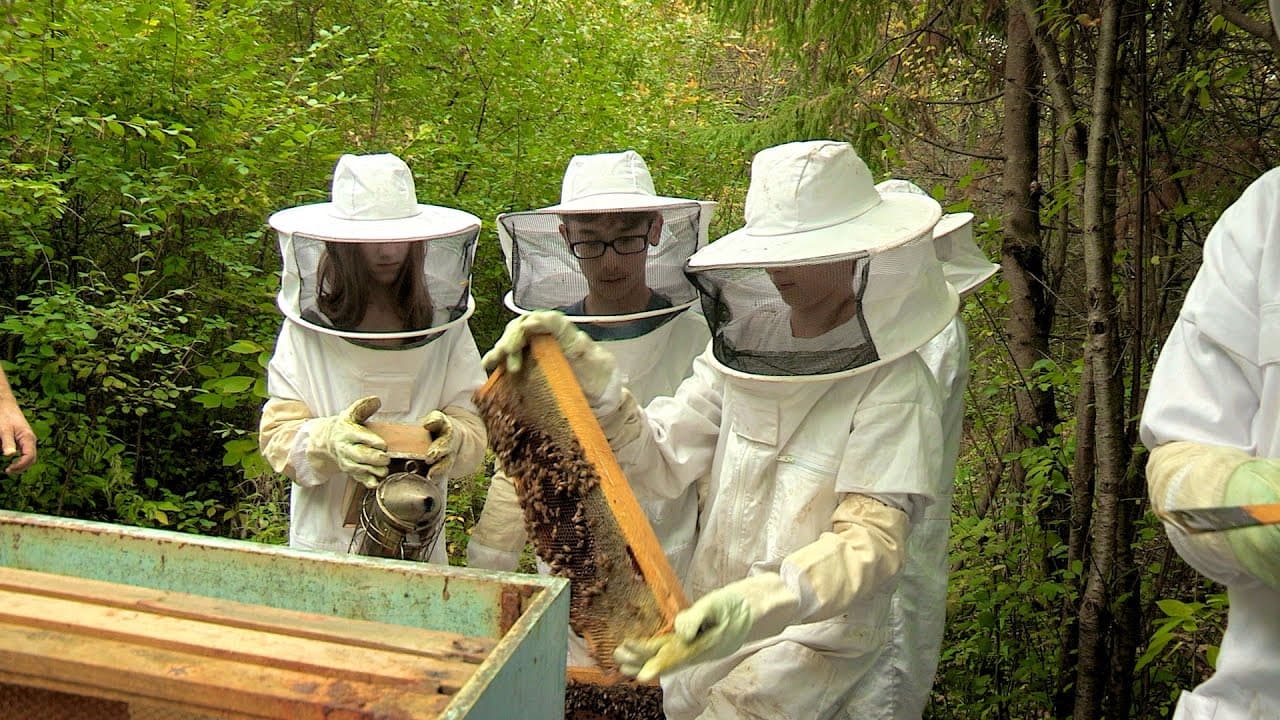
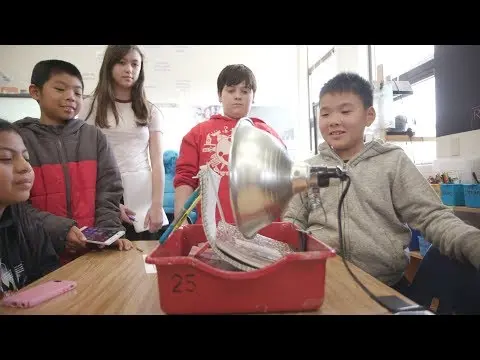
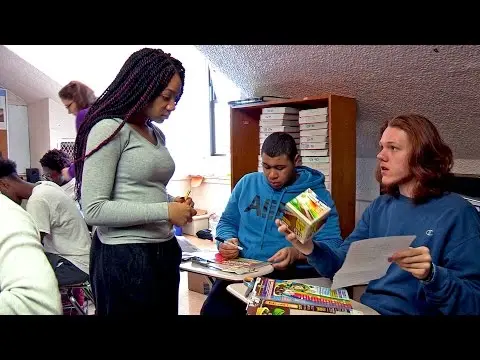
Students at Birmingham Covington are using science literacy to educate themselves and the public about the decline of honey bees and take action to save them.
Transcript
Student: These beekeeper hats are so annoying. >>Teacher: Put some wood in there now and I think we're ready to go. Can you tell me what you see on that frame? >>Student: I think I see nectar right there. >>Student: Ooh, there's honey, there's honey! >>Teacher: Because of science literacy, our students are active learners who ask questions. They ... Read More
Key Insights
- 🧑🎓 Birmingham Covington prioritizes interdisciplinary learning to empower students to solve real-world problems.
- 😷 Science literacy allows students to become active learners by asking questions and pursuing their curiosity.
- 🐝 The project on honey bees demonstrates the power of collaboration among teachers and students in tackling real-world issues.
- 💁 Educating students to be critical consumers of information is an essential aspect of science literacy.
- 😤 By involving students in research and action teams, the workload is distributed, allowing for more productivity and a wider reach.
- 🐝 The students' projects, such as candle making and seed balls, provide tangible actions that individuals can take to support honey bees.
- 🤪 Science literacy goes beyond curriculum requirements and focuses on developing effective agents of change and responsible citizens.
Install to Summarize YouTube Videos and Get Transcripts
Explore YouTube Video Summarizer or Get YouTube Transcript Extractor
Questions & Answers
Q: How does Birmingham Covington promote interdisciplinary learning?
Birmingham Covington encourages teachers to collaborate and blend expertise in content, allowing students to explore and solve real-world problems through various subjects.
Q: What motivated the students to work on the issue of honey bees?
The students found an article about honey bees potentially going extinct, which sparked their curiosity and led them to take action to raise awareness and find solutions.
Q: How did the research teams contribute to the project?
The research teams provided knowledge and credible content that served as the basis for the action teams' projects and initiatives.
Q: What projects did the students create to educate the public about honey bees?
The students developed projects such as candle making, seed balls, a website, and brochures to spread awareness about the importance of honey bees and what individuals can do to help.
Summary & Key Takeaways
-
Birmingham Covington prioritizes interdisciplinary learning and collaboration among teachers to empower students to solve real-world problems.
-
Students at Birmingham Covington identified the issue of honey bees going extinct and formed research and action teams to gather information and create awareness.
-
The students developed various projects, such as candle making, seed balls, and a website, to educate the public and contribute to the preservation of honey bees.
Read in Other Languages (beta)
Share This Summary 📚
Summarize YouTube Videos and Get Video Transcripts with 1-Click
Try YouTube Summary with ChatGPT & Claude or YouTube Transcript Generator
Explore More Summaries from Edutopia 📚
Summarize YouTube Videos and Get Video Transcripts with 1-Click
Try YouTube Summary with ChatGPT & Claude or YouTube Transcript Generator