How to Choose the Right Filmmaking Gear for Your Needs
TL;DR
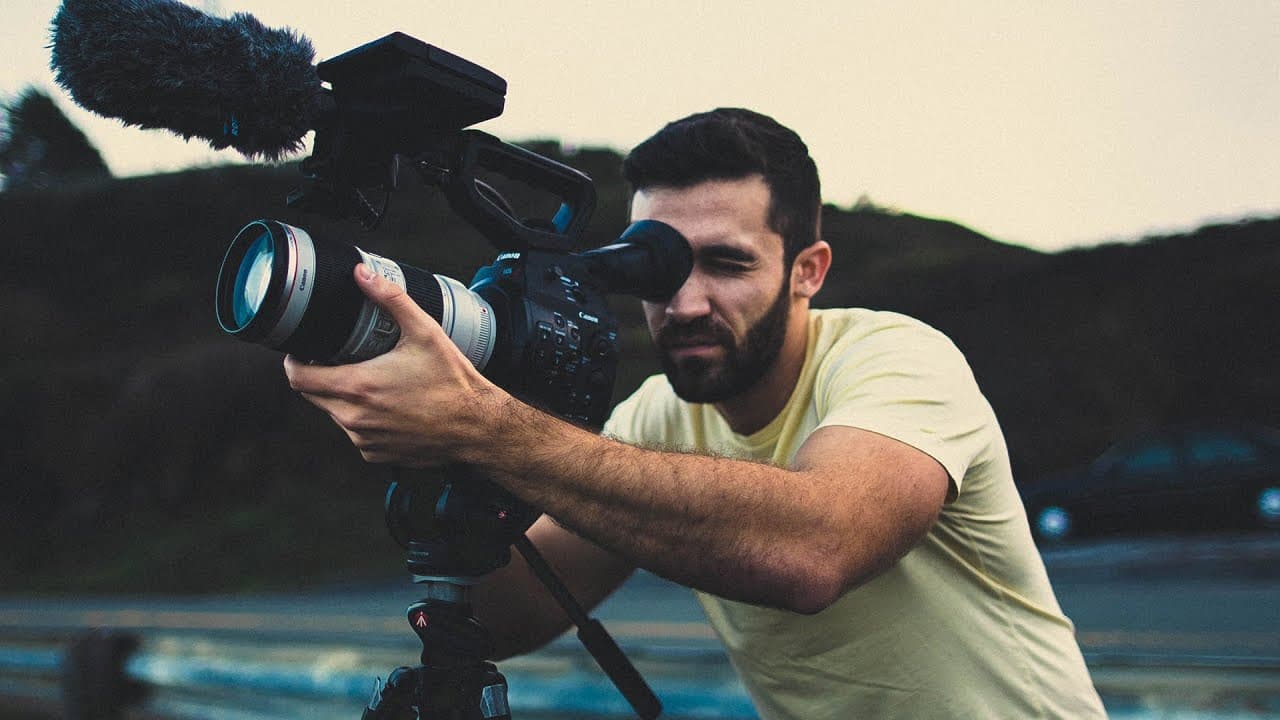
To choose the right filmmaking gear, master your camera and invest in versatile, high-quality lenses that meet your specific needs. Use equipment like boom mics for better audio quality and adapt lighting solutions based on your budget and environment. Creativity with your setup is key to producing great footage, even in challenging conditions.
Transcript
filmmaking is messy it's rarely linear never straightforward and takes a lot of thought to get it right so my setup and gear are constantly changing to fit my current needs or project in this video I'm going to break down the gear I use and some of the things I've learned as a filmmaker over the past 12 years the best camera isn't the one you have ... Read More
Key Insights
- 📸 The best camera is the one you master. Take the time to learn your camera inside and out and how it performs in different environments.
- 📹 The Canon C200 is a higher-end cinema camera that is useful for client work and documentaries due to its XLR inputs, ND filters, and easy-to-work-with 4K files.
- 📷 The Sony A7R-2 is a great camera for vlogging, with its small size, lightweight design, and excellent auto focus.
- 🔍 Invest in versatile lenses that fit your needs and provide higher quality images. Prime lenses are particularly great in low light and offer a shallow depth of field.
- 📚 When filming in less-than-ideal environments, get creative with your gear to make things look good. Use lenses and cameras to create interesting frames and depth of field.
- 🎤 Boom mics, like the Sennheiser MKH 416 or Rode NTG-2, are reliable and provide better audio quality than wireless lav mics, especially for solo shooting.
- 💡 Lighting options can be personalized and adapted to your specific needs. The Light Panel Astra is a powerful and adjustable light, while a cheap paper lantern can provide even lighting on a budget.
- 🎙️ For podcasting and voiceovers, the Shure SM7B microphone is great at reducing outside noise, and can be connected to a Cloudlifter and an H6 for optimal sound quality.
Install to Summarize YouTube Videos and Get Transcripts
Explore YouTube Video Summarizer or Get YouTube Transcript Extractor
Questions & Answers
Q: Why is it important to take the time to learn your camera inside and out?
It is crucial to master your camera because understanding how it performs in different environments and creating shortcuts that fit your needs can greatly enhance your filmmaking skills. By knowing your camera's capabilities, you can consistently produce high-quality footage.
Q: How does the filmmaker use different cameras for different projects?
The filmmaker uses the Canon C200 for client work and documentaries due to its XLR inputs, ND filters, and easy-to-work-with 4K files. The Canon C300 is preferred for minimalism, and the Sony A7R is the go-to camera for vlogs due to its small size, lightweight, and excellent autofocus.
Q: Why does the filmmaker recommend investing in higher-quality lenses?
Higher-quality lenses provide better image quality, especially in low-light situations, and allow for a more shallow depth of field. Investing in a few lenses that fit your specific needs ensures you have the tools to capture the desired shots.
Q: What microphone does the filmmaker recommend for interviews and vlogging?
The filmmaker recommends using a boom mic, specifically the Sennheiser MKH 416, for interviews and solo vlogging. This microphone provides excellent sound quality and minimal post-editing required. For those on a budget, the Rode NTG-2 boom mic is a more affordable option that still delivers good audio quality.
Q: How does the filmmaker achieve better sound quality when using a boom mic?
The placement of the boom mic is crucial for achieving better sound quality. Mounting the mic separately and closer to the subject, rather than on top of the camera, greatly improves the audio. Using a collapsible boom stand pole, like the Manfrotto boom stand pole, allows for easy adjustment and ensures the mic is properly placed.
Q: What lights does the filmmaker currently use for his videos?
The filmmaker currently uses the Light Panel Astra as his professional light kit. It is a powerful and adjustable light that can be used with a softbox or bounced off walls and ceilings. For a more budget-friendly option, the filmmaker suggests using paper lanterns, which provide even lighting and can be purchased on Amazon for under $30.
Q: How does the filmmaker achieve good audio quality for podcasting and voiceovers?
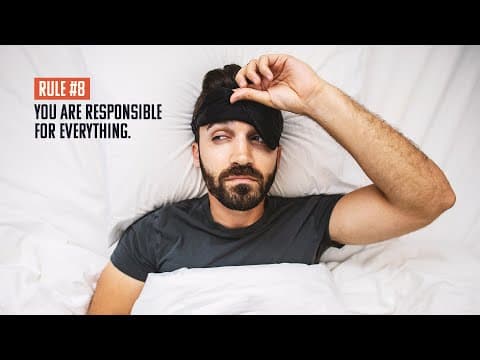
The filmmaker uses the Shure SM7B microphone connected to a Cloud Lifter and plugged into an H6 recorder for podcasting and voiceovers. This setup reduces outside noise and allows for recording in various rooms. Prior to this, the filmmaker recorded under the covers of his bed to minimize external noise.
Summary & Key Takeaways
-
The best camera is the one you master; take the time to learn your camera inside and out.
-
Different cameras serve different purposes: the Canon C200 for client work, the Canon C300 for minimalism, and the Sony A7R for vlogs.
-
Investing in high-quality lenses that fit your needs is essential for creating great footage.
Read in Other Languages (beta)
Share This Summary 📚
Summarize YouTube Videos and Get Video Transcripts with 1-Click
Try YouTube Summary with ChatGPT & Claude or YouTube Transcript Generator
Explore More Summaries from Matt D'Avella 📚
Summarize YouTube Videos and Get Video Transcripts with 1-Click
Try YouTube Summary with ChatGPT & Claude or YouTube Transcript Generator