Magnets and Magnetic Fields
TL;DR
Magnets have been used for navigation and everyday purposes, and their properties stem from electron configurations in certain materials called ferromagnetic substances that create magnetic fields.
Transcript
Professor Dave here, I want to tell you about magnets. We have known about the magnetic properties of certain types of matter for thousands of years, and have long utilized this phenomenon for navigation in the form of a compass, and also to display good report cards on the fridge. A few different kinds of magnets are instantly recognizable, like t... Read More
Key Insights
- 🧲 Magnets have been used for navigation and displaying objects, and they have poles called north and south. This is why a compass always points north. Like charges repel and opposite charges attract.
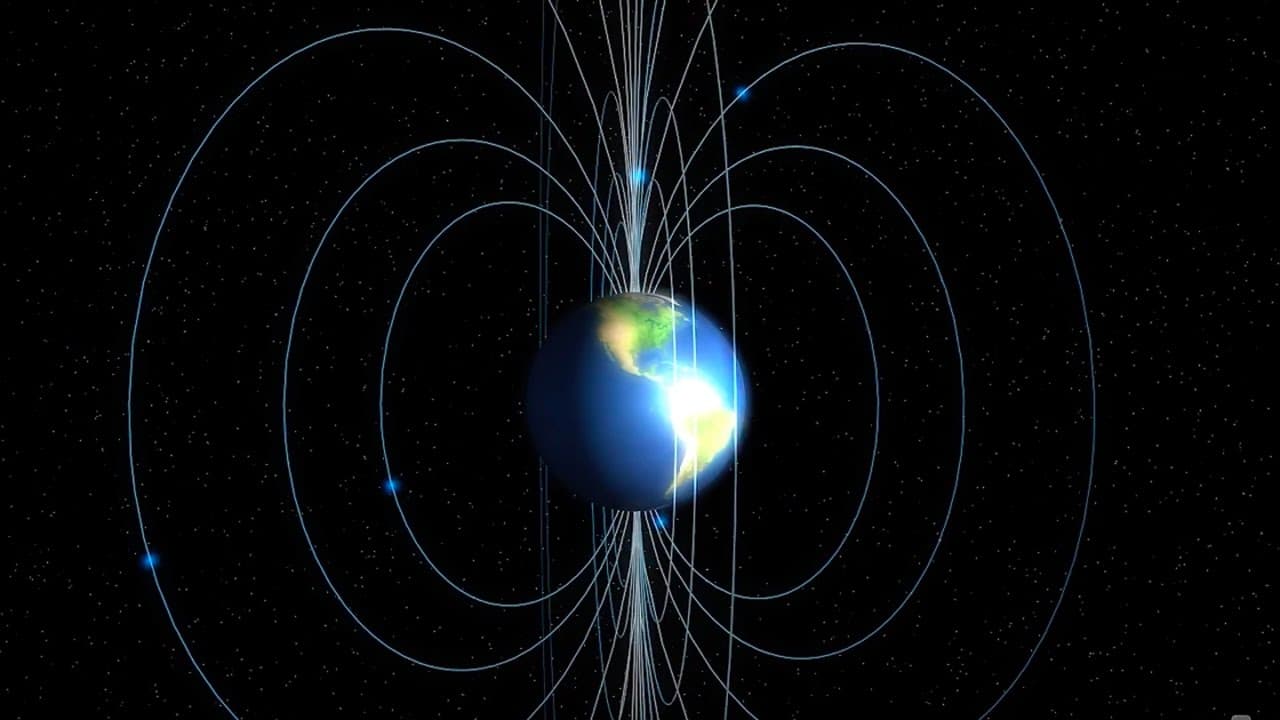
- 🧲 Certain substances like iron, cobalt, and nickel have uncancelled electrons that create a magnetic field. This field is represented by closed loops called field lines. Earth itself is a giant magnet with changing magnetic poles due to the distribution of atoms in its core.
- 🌌 Earth's magnetic field interacts with charged particles from the Sun, deflecting them towards the magnetic poles and causing the aurora borealis. Without this protective field, life on Earth would be at significant risk from radiation.
- 💡 Electricity and magnetism are two sides of the same coin, known as the electromagnetic force. The motion and orientation of electrons produce magnetic fields, and electric current can deflect a compass needle. Electromagnetic forces generate waves.
- 💡 Physics' primary objective is to unify all fundamental forces into a grand unified field theory, or a theory of everything. Classical physics, discovered in the 17th-19th centuries, laid the foundation for modern physics, which introduced concepts like particle-wave duality, time dilation, and curved space.
- 💡 Modern physics, spearheaded by Einstein and his colleagues, brought about groundbreaking theories about the nature of reality. It revealed that particles can behave like waves, time is relative, and space is curved. Understanding these concepts leads to a deeper understanding of the universe.
- 🔐 Magnetic fields have been used for navigation for centuries, with compasses relying on the Earth's magnetic field to determine direction. This practical application of magnets highlights their importance in everyday life.
- 🔀 The discovery that electricity and magnetism are intricately linked paved the way for significant advancements in technology, such as generators, motors, and wireless communication. This connection between the two forces revolutionized the world.
Install to Summarize YouTube Videos and Get Transcripts
Explore YouTube Video Summarizer or Get YouTube Transcript Extractor
Questions & Answers
Q: How do magnets generate magnetic fields?
Magnets generate magnetic fields through the alignment of net spins in ferromagnetic substances, such as iron, cobalt, and nickel. The parallel alignment of spins creates magnetic domains, which produce a magnetic field.
Q: How does Earth generate its magnetic field?
Earth's magnetic field is generated by the distribution and alignment of atoms in its iron core, similar to the atoms in a bar magnet. The motion of these atoms creates a magnetic field that extends far into space.
Q: What role does the Earth's magnetic field play in protecting us?
The Earth's magnetic field deflects high-energy charged particles from the Sun towards the magnetic poles, creating the aurora borealis. Without this magnetic field, we would be exposed to harmful radiation, and life on Earth may not have been possible.
Q: How are electricity and magnetism related?
Electricity and magnetism are related through the electromagnetic force. The motion and orientation of electrons in an electric current produce a magnetic field, and magnetic fields can affect the paths of charged particles.
Q: How did the discovery of electromagnetism lead to the unification of forces in modern physics?
The discovery of electromagnetism was the first step towards unifying forces in physics. It led to the understanding of how electric and magnetic fields fluctuate together to generate electromagnetic waves. This paved the way for further unification of fundamental forces in modern physics.
Q: What are some important concepts in modern physics that build upon classical physics?
In modern physics, concepts such as the wave-particle duality of matter, time dilation, and the curvature of space around massive objects were discovered. These concepts expanded our understanding of the universe beyond classical physics.
Q: What is the ultimate goal of physics in the study of forces?
The ultimate goal of physics is to find a grand unified field theory, often referred to as a theory of everything, that can unify all the fundamental forces into a single framework. This would provide a comprehensive understanding of the workings of the universe.
Summary & Key Takeaways
-
Magnets have been used for navigation, like compasses, and for everyday purposes, like displaying report cards on the fridge.
-
Magnets have two poles, north and south, and like poles repel while opposite poles attract.
-
Understanding the electron configurations in ferromagnetic substances helps explain how magnets work and generate magnetic fields.
Read in Other Languages (beta)
Share This Summary 📚
Summarize YouTube Videos and Get Video Transcripts with 1-Click
Try YouTube Summary with ChatGPT & Claude or YouTube Transcript Generator
Explore More Summaries from Professor Dave Explains 📚



Summarize YouTube Videos and Get Video Transcripts with 1-Click
Try YouTube Summary with ChatGPT & Claude or YouTube Transcript Generator