Taxonomy of Bacteria: Identification and Classification
TL;DR
Explains bacterial classification using phenotypic, analytic, and genotypic methods.
Transcript
Professor Dave here, let’s classify some bacteria. As we discussed in the previous tutorial, pretty much everything you can see or feel is teeming with bacteria. The air we breathe, the food we eat, the surfaces we touch, and especially all the natural wonders around us. If you were to scoop up about a tablespoon of soil or a small cup of ocean wat... Read More
Key Insights
- Bacteria are omnipresent, with millions of species existing in environments like soil and ocean water, yet most cannot be cultured in labs.
- Only a small fraction of bacteria, a few hundred species, are pathogenic to humans, highlighting the importance of accurate bacterial identification.
- The binomial nomenclature system, introduced by Linnaeus, is used to name bacteria, consisting of a genus and species name.
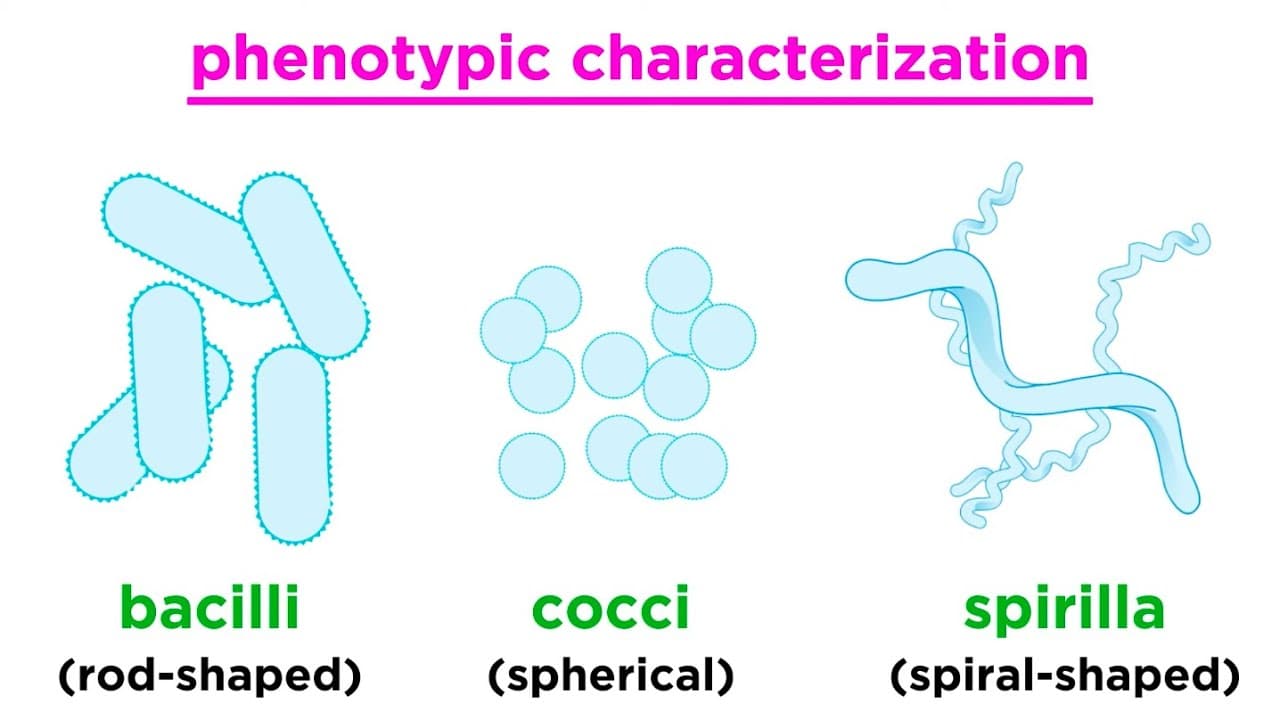
- Phenotypic characterization involves observable traits like size, shape, and staining, with Gram staining being a key method.
- Analytic classification uses techniques like mass spectroscopy and enzyme electrophoresis, requiring specialized equipment and training.
- Genotypic classification, the most precise method, involves DNA analysis, with techniques like DNA-DNA hybridization and 16S ribosomal RNA sequencing.
- Serotyping and antibiogram patterns help classify bacteria based on antigens and antibiotic susceptibility, respectively.
- Bacterial classification is dynamic, evolving as new discoveries are made, but remains crucial for understanding pathogenic capabilities.
Install to Summarize YouTube Videos and Get Transcripts
Explore YouTube Video Summarizer or Get YouTube Transcript Extractor
Questions & Answers
Q: What is the significance of bacterial classification?
Bacterial classification is crucial for several reasons. It helps scientists identify and categorize bacteria, allowing for a better understanding of their roles in ecosystems, human health, and disease. Accurate classification aids in diagnosing bacterial infections and developing targeted treatments. It also supports epidemiological studies, helping track and control outbreaks.
Q: How does the binomial nomenclature system work for bacteria?
The binomial nomenclature system, established by Carl Linnaeus, assigns each bacterial species a two-part scientific name. The first part is the genus name, which is capitalized, and the second part is the species name, which begins with a lowercase letter. Both names are italicized. This system provides a standardized way to name and identify bacteria.
Q: What are phenotypic characterization methods for bacteria?
Phenotypic characterization involves observing the physical and biochemical traits of bacteria. Key methods include Gram staining, which differentiates bacteria based on cell wall properties, and analyzing colony morphology on agar plates. Additional tests assess biochemical properties, such as carbohydrate fermentation and enzyme presence, to further identify bacterial species.
Q: What is the role of genotypic classification in bacterial identification?
Genotypic classification uses genetic analysis to identify bacteria, offering the most precise method for classification. Techniques include DNA-DNA hybridization, nucleic acid sequence analysis, and 16S ribosomal RNA sequencing. These methods determine genetic similarities and differences, allowing for accurate identification of bacterial species and understanding of evolutionary relationships.
Q: How do serotyping and antibiogram patterns aid in bacterial classification?
Serotyping classifies bacteria based on antigens, substances that trigger immune responses. By identifying specific antigens, scientists can narrow down bacterial possibilities. Antibiogram patterns analyze bacteria's susceptibility to antibiotics, providing insights into their resistance profiles. Both methods are valuable for identifying bacteria, especially during outbreaks or when rapid identification is needed.
Q: What challenges exist in culturing bacteria in labs?
Culturing bacteria in labs presents challenges because many species cannot be grown under standard laboratory conditions. Factors like specific nutrient requirements, environmental conditions, and interactions with other microorganisms can affect growth. This limitation hinders the study of many bacterial species, complicating efforts to understand their roles in various environments and human health.
Q: Why is bacterial classification considered dynamic?
Bacterial classification is dynamic because it evolves with new scientific discoveries and technological advancements. As researchers uncover new bacterial species and gain insights into their genetic and phenotypic traits, classification systems are updated. This ongoing process ensures that bacterial taxonomy reflects the most current understanding of these microorganisms and their relationships.
Q: How does Gram staining differentiate bacteria?
Gram staining differentiates bacteria based on their cell wall composition. The method involves applying a series of dyes to bacterial cells. Gram-positive bacteria have thick peptidoglycan walls that retain the crystal violet stain, appearing blue under a microscope. Gram-negative bacteria have thinner walls and do not retain the dye, appearing red or pink after counterstaining.
Summary & Key Takeaways
-
The video discusses the vast diversity of bacteria, noting that most cannot be cultured in labs, and highlights the importance of bacterial identification for understanding their role in medicine and other fields.
-
It explains the binomial nomenclature system for naming bacteria and describes phenotypic classification methods like Gram staining, which differentiate bacteria based on cell wall characteristics.
-
Analytic and genotypic classification methods, including DNA analysis and serotyping, are detailed, emphasizing their role in identifying bacteria and understanding their pathogenic potential.
Read in Other Languages (beta)
Share This Summary 📚
Summarize YouTube Videos and Get Video Transcripts with 1-Click
Try YouTube Summary with ChatGPT & Claude or YouTube Transcript Generator
Explore More Summaries from Professor Dave Explains 📚




Summarize YouTube Videos and Get Video Transcripts with 1-Click
Try YouTube Summary with ChatGPT & Claude or YouTube Transcript Generator