Saved by music: a Holocaust survivor's story
TL;DR
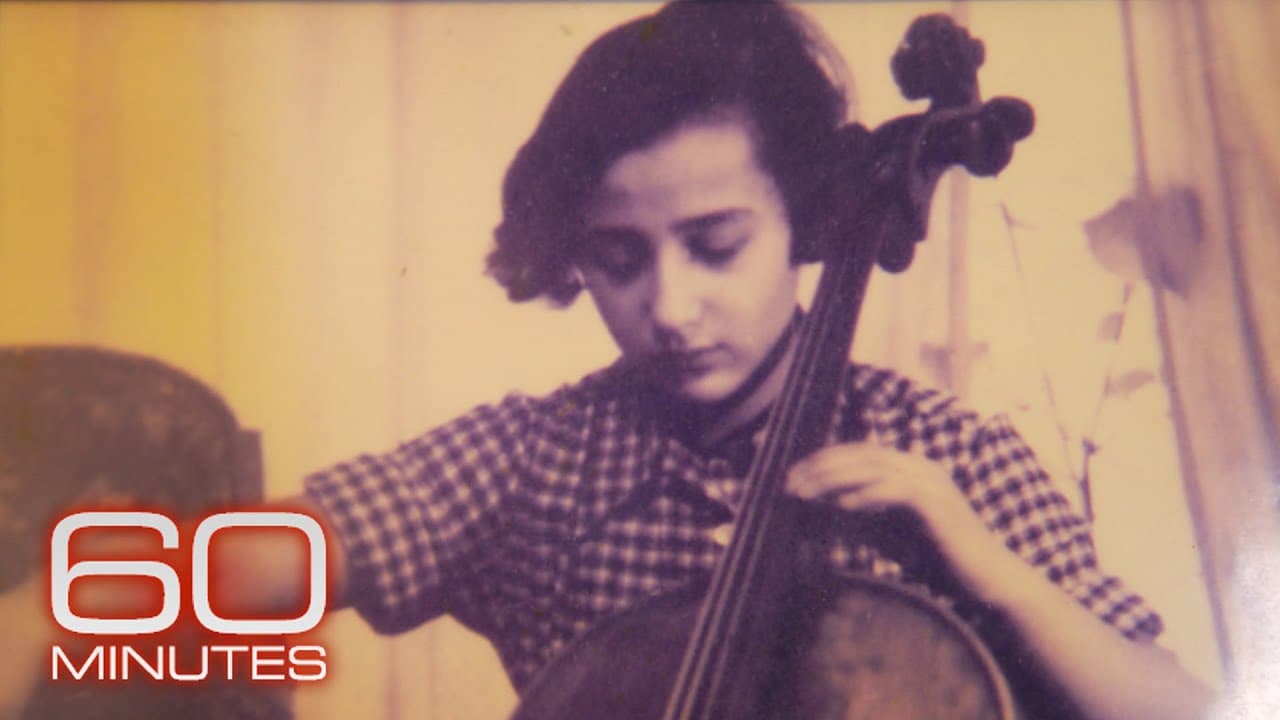
Anita Laster Vol Fisher, a Holocaust survivor, found salvation through music in Auschwitz and continues to fight against anti-Semitism today.
Transcript
sixty minutes overtime and who is this me Anita Laster vol fish is a survivor of Auschwitz who is taken to the camp as a teenager and happen to play the cello this ended up saving her life she joined the women's Orchestra at Birkenau at Auschwitz and this was her salvation on Sundays we gave concerts in the camp for anybody to hear the Germans were... Read More
Key Insights
- 💁 Music provided a form of salvation for Anita Laster Vol Fisher in Auschwitz.
- ❓ The belief that being a criminal was better than being a Jew reflects the extreme circumstances of the Holocaust.
- 👨⚖️ Anita's testimony at the Lunenburg trials demonstrates her courage and determination to seek justice.
- 🧑🚒 Anita's fight against anti-Semitism continues as she shares her story to combat ignorance and hate.
- 😱 Her firsthand account serves as a powerful reminder of the horrors of the Holocaust.
- 🛟 The importance of personal testimony in preserving the memory of historical events like the Holocaust.
- 🧑🚒 Anita's resilience and determination to confront the past and fight against injustice.
Install to Summarize YouTube Videos and Get Transcripts
Explore YouTube Video Summarizer or Get YouTube Transcript Extractor
Questions & Answers
Q: How did playing music in the Auschwitz Orchestra help Anita Laster Vol Fisher survive?
Playing in the orchestra provided Anita with a sense of purpose and slight escape from the horrors of the camp. It also made her more valuable to the Nazis, increasing her chances of survival.
Q: Why did Anita and her sister believe it was better to be a criminal rather than a Jew in the camps?
As criminals, they were given a trial and perceived some level of protection. Being a Jewish criminal meant being sent directly to death, so forgeries were made to change their status.
Q: How did Anita Laster Vol Fisher find the strength to confront her captors at the Lunenburg trials?
Anita saw the trial as an opportunity to expose the atrocities committed during the Holocaust. Her survival and witnessing the truth motivated her to confront those responsible.
Q: Why does Anita continue to speak out against anti-Semitism today?
Anita believes that sharing her story directly with others can combat ignorance and prevent the resurgence of anti-Semitism. She sees herself as a vital force in fighting against hate.
Summary & Key Takeaways
-
Anita Laster Vol Fisher, a survivor of Auschwitz, played the cello in the women's Orchestra at Birkenau, which saved her life.
-
She and her sister forged documents to help prisoners, believing it was better to be a criminal than a Jew.
-
Anita testified at the Lunenburg trials, confronting her captors and fighting against anti-Semitism.
Read in Other Languages (beta)
Share This Summary 📚
Summarize YouTube Videos and Get Video Transcripts with 1-Click
Try YouTube Summary with ChatGPT & Claude or YouTube Transcript Generator
Explore More Summaries from 60 Minutes 📚




Summarize YouTube Videos and Get Video Transcripts with 1-Click
Try YouTube Summary with ChatGPT & Claude or YouTube Transcript Generator