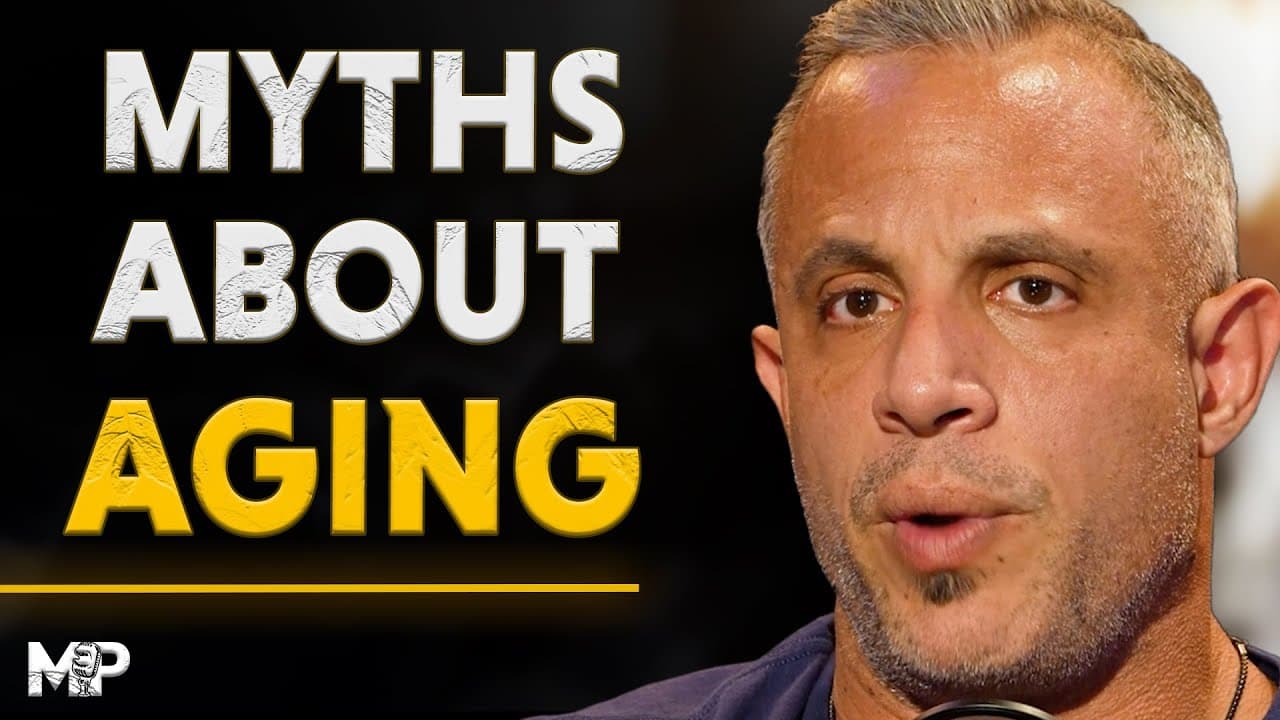
7 Lies Older People Are Told About Fitness | Mind Pump 2697
TL;DR
Strength training is crucial for older adults, debunking common fitness myths.
Transcript
All right. Today we're going to talk about seven lies that older people are constantly told about fitness. We're going to crush these lies and encourage you to start exercising. It's one of the best things you can do. We're going to break it down. Let's go. Break it down. Yes. Uh before we get into the lies, uh I'm going to talk I'm going to bring ... Read More
Key Insights
- Strength training is more beneficial than cardio for older adults, improving heart health and insulin sensitivity.
- Older adults can double their strength within a year of starting strength training, debunking the myth that they can't build muscle.
- Strength training is safe and reduces the risk of injury when done with proper technique and progression.
- Properly performed strength training alleviates chronic pain by addressing dysfunction and strengthening muscles around joints.
- Exercise is highly effective for mental health, surpassing talk therapy and medication for common forms of depression.
- Being active with daily tasks like walking or gardening isn't enough; strength training is necessary to maintain muscle mass.
- Age is not a barrier to exercise; strength training can be adapted for individuals at any age or physical condition.
- Minimal strength training is required to maintain muscle mass, with significant benefits achievable from just one to two sessions a week.
Install to Summarize YouTube Videos and Get Transcripts
Explore YouTube Video Summarizer or Get YouTube Transcript Extractor
Questions & Answers
Q: Why is strength training recommended over cardio for older adults?
Strength training is recommended over cardio for older adults because it not only improves heart health and insulin sensitivity but also builds muscle and strength, which are crucial for maintaining mobility and reducing the risk of falls. It provides more comprehensive benefits compared to cardiovascular exercise alone.
Q: Can older adults still build muscle, and how quickly can they see results?
Yes, older adults can still build muscle. They can expect to see significant strength gains, potentially doubling their strength within a year of starting a strength training program. Initial improvements can often be observed within just a few months, challenging the misconception that muscle loss is inevitable with age.
Q: Is strength training safe for older individuals?
Strength training is safe for older individuals when performed with proper technique and progression. It reduces the risk of injury by strengthening muscles and improving stability. A well-designed program tailored to an individual's fitness level and health needs ensures safety and effectiveness.
Q: How does strength training help with chronic pain?
Strength training helps with chronic pain by addressing muscular imbalances and dysfunctions that contribute to pain. It strengthens the muscles surrounding joints, improving stability and function, which can alleviate pain over time. This targeted approach is more effective than general exercise for pain management.
Q: What impact does exercise have on mental health in older adults?
Exercise, particularly strength training, has a profound impact on mental health in older adults. It is one and a half times more effective than talk therapy or medication for common forms of depression. Exercise promotes a healthy brain, improves mood, and enhances overall well-being.
Q: Why isn't being active in daily life enough for maintaining health in older adults?
While daily activities like walking or gardening are beneficial, they don't provide the specific stimulus needed to maintain or build muscle mass. Strength training sends a clear signal to the body to retain and grow muscle, which is essential for preventing age-related muscle loss and maintaining physical function.
Q: Is there an age limit for starting an exercise program?
There is no age limit for starting an exercise program. Strength training can be adapted for any age or physical condition, providing benefits such as improved strength, mobility, and quality of life. A tailored approach ensures that exercises are safe and effective for each individual.
Q: How much strength training is needed to maintain muscle mass in older adults?
Minimal strength training is needed to maintain muscle mass in older adults. Research shows that as little as one session every two weeks can prevent muscle loss, while one session per week can build muscle. Two sessions per week can achieve about 85% of the potential benefits, making it an efficient form of exercise.
Summary & Key Takeaways
-
Strength training offers significant benefits for older adults, including improved heart health, insulin sensitivity, and muscle mass. It is more effective than cardio and requires minimal time commitment for substantial results.
-
Older adults can still build muscle and strength, debunking myths about inevitable muscle loss with age. Strength training is safe and can alleviate chronic pain by targeting dysfunction and strengthening muscles around joints.
-
Exercise, particularly strength training, is crucial for mental health and overall well-being in older adults. It's effective in reducing depression and maintaining physical function, with adaptations available for any age or condition.
Read in Other Languages (beta)
Share This Summary 📚
Summarize YouTube Videos and Get Video Transcripts with 1-Click
Try YouTube Summary with ChatGPT & Claude or YouTube Transcript Generator
Explore More Summaries from Mind Pump Show 📚


Summarize YouTube Videos and Get Video Transcripts with 1-Click
Try YouTube Summary with ChatGPT & Claude or YouTube Transcript Generator